

The Tarique Rahman Factor: Re-shaping South Asian Power
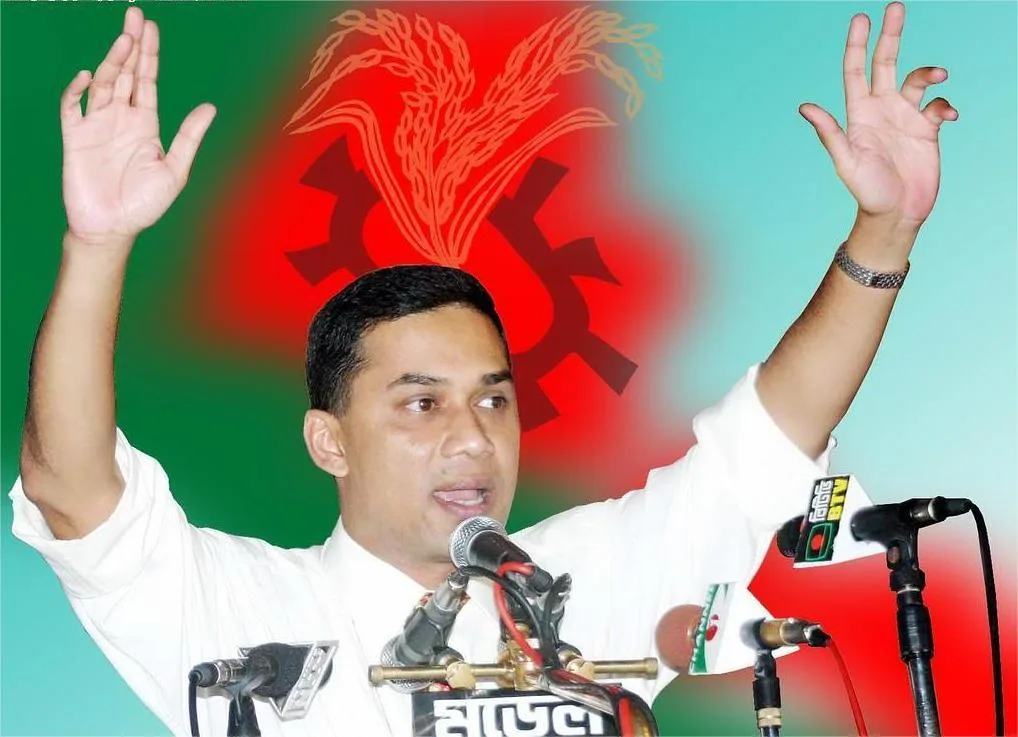
Tarique Rahman has returned to Bangladesh after 17 years in London. He is the acting chairman of the Bangladesh Nationalist Party (BNP). His arrival marks a major shift in the region’s politics. This is not just a homecoming. It is a signal of a changing guard in Dhaka. Rahman’s presence will now redefine internal governance. It will also impact the delicate balance of South Asian diplomacy.
BNP’s New Momentum and Internal Stability
The BNP operated for two decades without its leader present. Tarique Rahman’s return has energized the party’s base. He managed party affairs digitally from exile. However, his physical presence provides a central figure for the movement. This is vital for a party that felt ignored for years.
Still, his return brings domestic challenges. The interim government and student movements want deep reforms. They seek more than just traditional party politics. Rahman must now modernize the BNP. He needs to appeal to a younger generation. This group is wary of the old political guard. His first test is to unify the party while maintaining peace.
The “India Factor”: A Diplomatic Reset?
New Delhi is watching the Tarique Rahman Bangladesh return closely. Traditionally, India and the BNP shared a cautious relationship. However, both sides now seek a pragmatic path. India’s “Neighborhood First” policy requires a stable neighbor. A friendly Bangladesh is essential for regional security.
A “silent reset” may be happening now. Indian policymakers are tracking Rahman’s stance on security. They focus on cross-border stability and insurgent groups. New ties could flourish if the BNP provides security assurances. India needs to know its soil remains safe. The future of the $15 billion trade corridor depends on this trust.
Challenges Ahead: 2026 Outlook
The road to 2026 is complex. The security situation in Bangladesh remains fluid. Communal tensions and radical influences cause global concern. Rahman has promised “justice and safety” for all. However, implementing this on the ground is difficult.
International agencies are monitoring the transition closely. There is a thin line between democracy and national security. Rahman’s goal is clear. He wants a decisive electoral victory for the BNP. He must also prove that his leadership ensures a stable future.

Prabha Gupta is a veteran journalist and civic thinker dedicated to the constitutional ideals of dignity and institutional ethics. With over thirty years of experience in public communication, her work serves as a bridge between India’s civil society and its democratic institutions. She is a prominent voice on the evolution of Indian citizenship, advocating for a national discourse rooted in integrity and the empowerment of the common citizen