




US Naval Blockade on Iran: A Strategic Move with Global Economic Shockwaves
The United States’ decision to impose a naval blockade on Iran following the collapse of peace talks has triggered one of the most serious geopolitical and economic crises in recent years. What began as a regional conflict has now evolved into a global concern, with ripple effects being felt across energy markets, trade routes, and economic institutions worldwide.
The blockade, enforced in the strategically critical Strait of Hormuz, aims to restrict vessels linked to Iranian ports, effectively curbing Tehran’s oil exports and economic leverage. However, this move is not without consequences. The Strait of Hormuz is not just a regional passage—it is a lifeline of global energy supply, handling nearly 20% of the world’s oil and gas trade.
A Strategic Pressure Tool with High Stakes
From a geopolitical standpoint, the blockade is a calculated attempt by the United States to weaken Iran economically and force it back to the negotiating table. By targeting maritime access, Washington seeks to neutralize Iran’s ability to influence global oil flows and use the Strait as a bargaining chip.
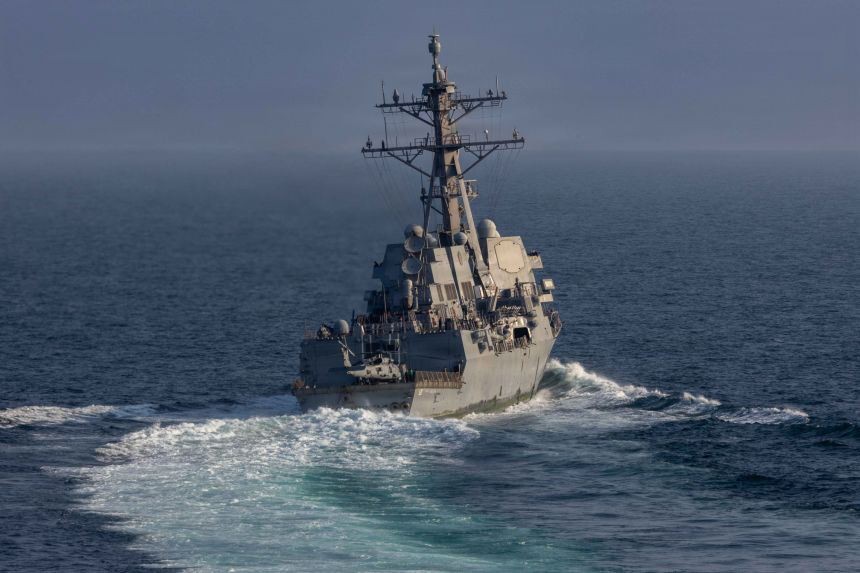
The deployment of multiple US warships underscores the seriousness of this strategy, marking a significant escalation in military posture. However, analysts warn that enforcing such a blockade in a narrow and highly militarized waterway is both complex and risky. Iran retains geographical and tactical advantages in the region, including coastal defenses and surveillance systems, allowing it to continue exerting influence despite the blockade.
This creates a volatile situation where any miscalculation could lead to direct military confrontation, further destabilizing the region.
Oil Markets Under Pressure
The immediate impact of the blockade has been felt in global energy markets. Oil prices surged beyond $100 per barrel, reflecting fears of supply disruption and uncertainty over shipping routes.
Even a partial disruption in the Strait has significant consequences. Analysts estimate that millions of barrels per day could be affected, leading to a structural imbalance in global supply. This is particularly concerning for energy-importing countries like India, which rely heavily on oil shipments passing through this corridor.
The blockade has also triggered logistical challenges. Shipping companies are increasingly hesitant to transit through the Strait due to security risks, leading to delays, increased insurance costs, and rerouting of cargo. Over time, such disruptions can create cascading effects across industries—from transportation and manufacturing to agriculture.
Global Economic Institutions Sound the Alarm
The gravity of the situation is reflected in the warnings issued by global financial institutions such as the International Monetary Fund and the World Bank. Along with the International Energy Agency, these bodies have described the current crisis as one of the most severe shocks to global energy markets in recent history.
Their concerns extend beyond oil prices. A prolonged disruption could:
- Slow global economic growth
- Push inflation higher
- Disrupt supply chains, especially in developing regions
The institutions have urged countries to avoid energy hoarding and export restrictions, warning that such actions could worsen the crisis and deepen global inequality.
A Crisis Beyond the Battlefield
What makes the current situation particularly significant is its interconnected nature. The blockade is not just a military tactic—it is an economic lever with worldwide implications.
Global markets are already reacting. Stock markets have shown volatility, currencies are under pressure, and energy-dependent sectors face uncertainty. The longer the blockade persists, the greater the risk of a prolonged economic slowdown.
At the same time, diplomatic efforts continue behind the scenes, indicating that both sides may still be seeking a negotiated resolution. However, the gap between strategic objectives and ground realities remains wide.
A Delicate Balance Between Power and Stability
The US naval blockade on Iran highlights the fragile balance between geopolitical strategy and global economic stability. While the move may achieve short-term strategic goals, its broader consequences could reshape energy markets and economic trajectories worldwide.
The key question now is not just whether the blockade will succeed but at what cost.
Because in today’s interconnected world, a conflict in one region does not remain contained. It reverberates across economies, affecting nations far removed from the battlefield.

Prabha Gupta is a veteran journalist and civic thinker dedicated to the constitutional ideals of dignity and institutional ethics. With over thirty years of experience in public communication, her work serves as a bridge between India’s civil society and its democratic institutions. She is a prominent voice on the evolution of Indian citizenship, advocating for a national discourse rooted in integrity and the empowerment of the common citizen