

In a rapidly modernising India where cultural expressions are often compressed into digital formats, institutions like Vaishali Kala Kendra continue to safeguard the depth and dignity of classical arts. The Guru Pranam Utsav 2026 stands as a reminder that tradition is not static—it is lived, practiced, and passed on through generations. This three-day festival of dance and music is not merely a performance series, but a tribute to the enduring guru-shishya parampara that defines Indian classical heritage.
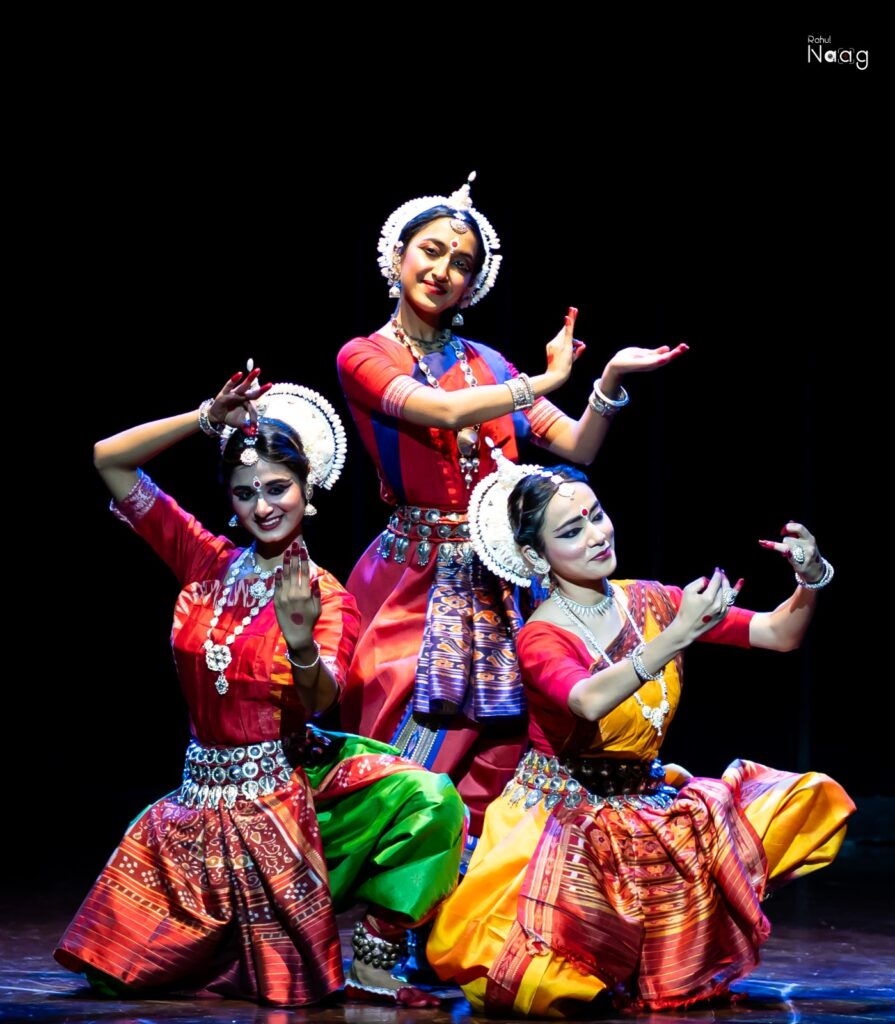
Founded in Noida, Vaishali Kala Kendra has spent over three decades promoting Odissi dance, a form known for its spiritual storytelling and sculptural grace. Under the mentorship of Dr. Jyoti Shrivastava, the institution has nurtured not just performers, but disciplined artists who understand the philosophy behind movement. Her teachings emphasize that art is a continuous journey- ieone that demands patience, introspection, and evolution within the classical framework.
The festival itself honors the legacy of Guru Shrinath Raut, whose contribution to Odissi continues to inspire generations. Now in its 38th edition, Guru Pranam Utsav has become a cultural landmark, bridging the past with the present while shaping the future of Indian classical arts.
A Confluence of Dance and Music Traditions
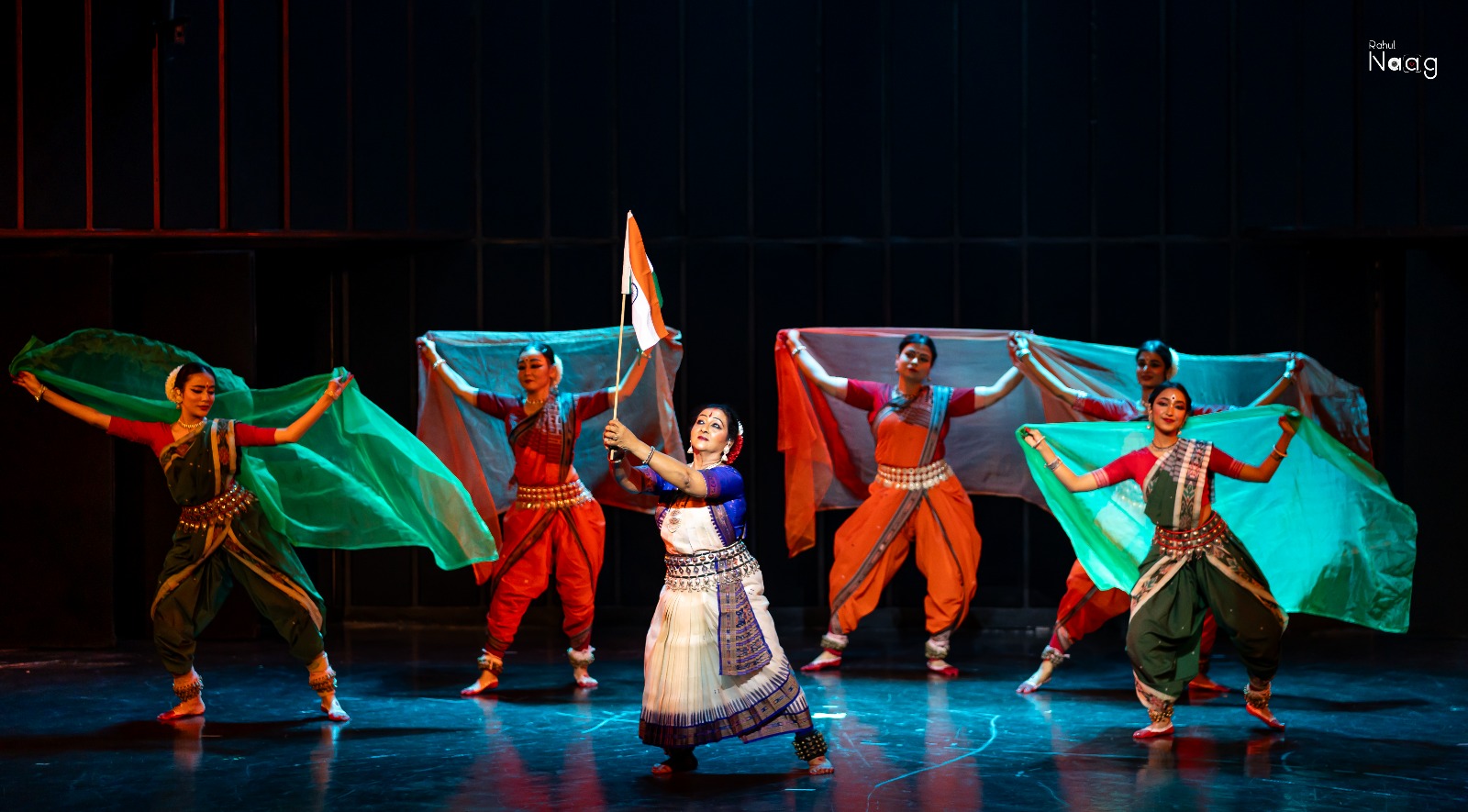
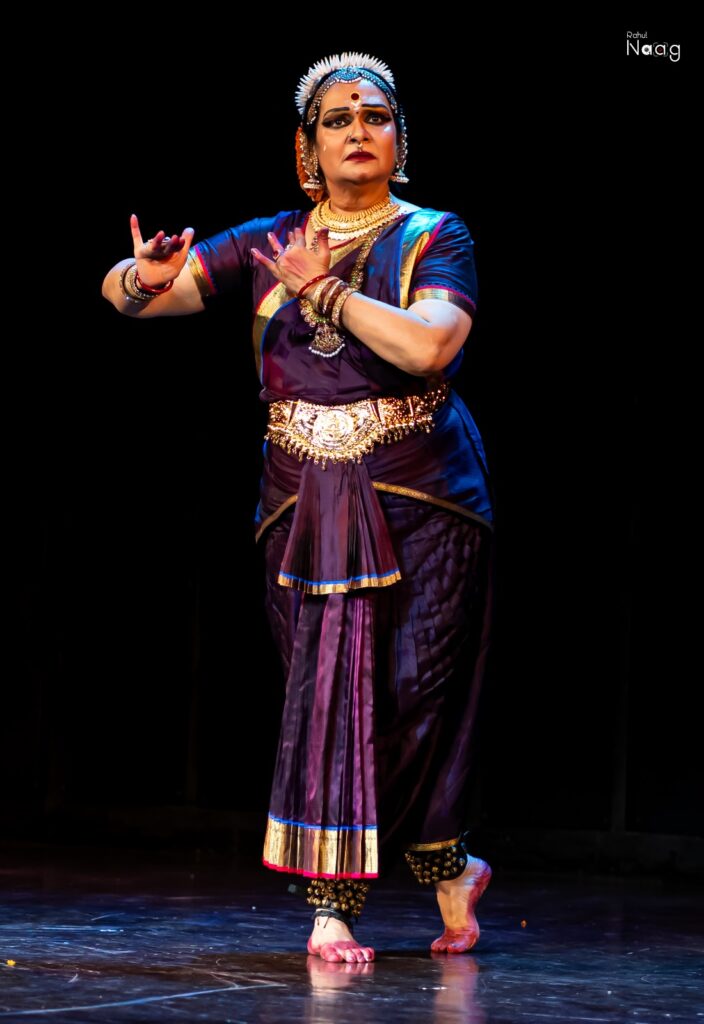
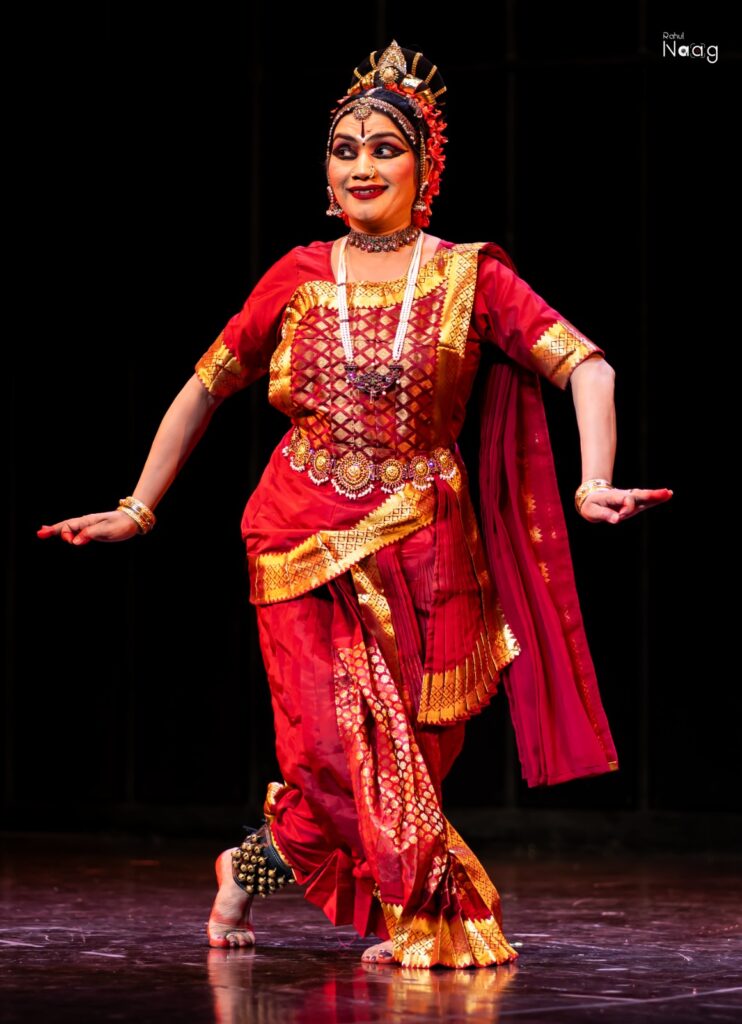
The first day i.e.on April 9, 2026 of the festival, held at Stein Auditorium, India Habitat Centre, sets the tone with a vibrant blend of classical dance forms. Senior disciples of the Kendra perform alongside their guru, creating a seamless dialogue between experience and learning. Renowned artists such as Pratibha Prahlad and Meenu Thakur further enrich the evening, presenting a harmonious confluence of Odissi, Bharatanatyam, and Kuchipudi.
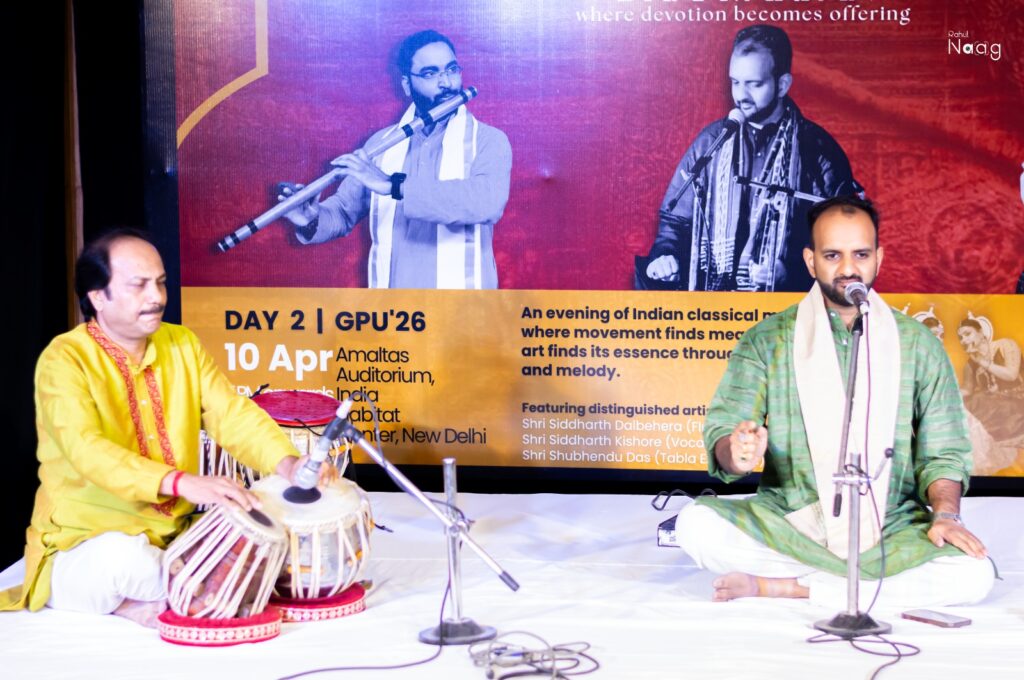
On April 10, 2026 transitions into a musical exploration at Amaltas Auditorium. Performances by Siddharth Kishore, Shubhendu Das, and Siddharth Dalbehera offered audiences a deeper engagement with classical music. The interplay of rhythm and melody highlights the intrinsic connection between dance and music—where each art form enhances the emotional and aesthetic experience of the other.
Legacy, Youth and the Spirit of Vande Mataram
The final day which is going to take place on April 29th 2026 at Triveni Kala Sangam in the evening hours at 6:30 PM onward shifts the focus to emerging talent, showcasing young dancers who represent the future of classical arts. Their presentation of Bak Gopal Ashtak, reimagined under the guidance of their gurus, symbolises continuity demonstrating how tradition evolves while retaining its core essence.
This year’s festival carries added significance as it commemorates 150 years of Vande Mataram. The theme connects artistic devotion with national pride, suggesting that preserving cultural heritage is itself a form of patriotism. Just as Vande Mataram once ignited a sense of unity and identity, Guru Pranam Utsav seeks to rekindle that spirit through art.
At a deeper level, the festival is about gratitude towards gurus, traditions, and the discipline that shapes an artist’s journey. It reminds audiences that classical dance and music are not merely performances, but expressions of dedication, resilience, and spiritual connection.
In a time when attention spans are shrinking and cultural depth is often overlooked, Guru Pranam Utsav 2026 emerges as a meaningful pause an opportunity to witness not just art, but the legacy and values that sustain it.

Prerna Varshney is a journalist and social commentator with over five years of experience in health, gender, and policy reporting. Her work reflects a deep commitment to truth and empathy, simplifying complex issues for everyday readers.