


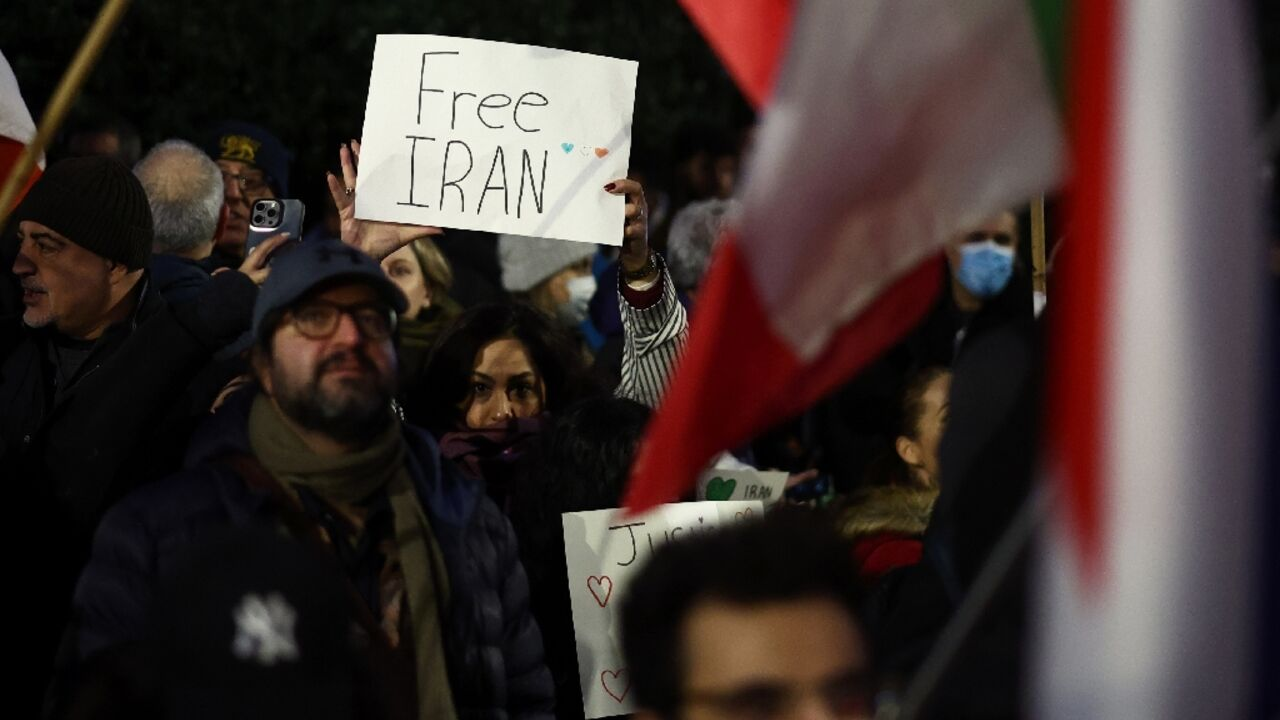
Iran Rights Group Warns Of “Mass Killing” Of Protesters
This chilling headline, emerging in mid-January 2026, encapsulates a nation standing on a jagged precipice. As a nationwide internet blackout enters its third day, unverified reports from hospitals and eyewitnesses filter out, painting a picture of “streets full of blood” in Tehran, Mashhad, and Shiraz. Human rights groups now estimate that the death toll has surged past 2,000 in just 48 hours, as security forces allegedly transition from riot control to the use of live ammunition.
The crisis in Iran is no longer a localized flare-up; it is a tectonic shift in the Middle East with the potential to reorder global energy markets, challenge Western diplomacy, and force a strategic re-evaluation in New Delhi.
The Genesis: A Crisis Long in the Making
While the immediate trigger for the January 2026 uprising was a catastrophic 30% overnight plunge in the Iranian rial, the roots of this unrest trace back decades. The current “revolution” is the maturation of a rupture that has been widening since the 1979 Islamic Revolution.
The Collapse of Ideological Legitimacy
For years, the Iranian state relied on a “moral bond” with its people, rooted in revolutionary and religious identity. However, movements like the 2009 Green Movement and the 2022 “Woman, Life, Freedom” uprising following the death of Mahsa Amini permanently severed this link. Protesters today have moved beyond demands for reform; their slogans now target the foundational structures of the Islamic Republic itself.
The Economic “Death Spiral”
By late 2025, Iran’s economy had entered a terminal phase. Inflation surged past 70% for food items, and the rial hit an all-time low of 1.5 million to the US dollar. Decades of US-led sanctions, systemic corruption, and a massive water crisis have left the middle class hollowed out. The government’s decision to prioritize regional proxy funding—for groups like Hezbollah and Hamas—over domestic welfare has become a central grievance of the “Neither Gaza nor Lebanon” chants now echoing through Tehran.
Regional Erasure of Deterrence
In 2025, Iran suffered a series of external “shocks.” Military strikes by the US and Israel decimated its nuclear infrastructure and air defenses. Simultaneously, the fall of the Bashar al-Assad regime in Syria—Tehran’s most critical regional bulwark—left Iran’s “Axis of Resistance” fractured. Weakened abroad and besieged at home, the regime has turned to its only remaining tool: absolute domestic repression.
Global Impact: A World on Edge
The potential collapse or radical transformation of the Iranian state is a “black swan” event for the global order.
- Energy Volatility: Iran remains a key player, exporting 1.5 to 1.8 million barrels of oil per day. A total disruption of these flows, coupled with any threat to the Strait of Hormuz (through which 20% of global oil passes), could send Brent crude prices soaring past $100 per barrel, reigniting global inflation.
- Geopolitical Vacuum: A weakened Iran could lead to a power vacuum in Iraq, Lebanon, and Yemen. Conversely, a desperate regime might lash out at US assets or Israel to divert internal pressure, as warned by Tehran’s recent threats toward Washington.
- A New Refugee Crisis: Large-scale instability could trigger a massive wave of migration toward Europe and neighboring Turkey, further straining global humanitarian resources.
India find itself at a delicate crossroads. While New Delhi has successfully diversified its oil sources (with Russia now providing nearly 40%), the Iran crisis poses three specific threats:
The Road Ahead
The coming days are a bellwether for the Islamic Republic’s staying power. If the security services remain unified, the “mass killings” may temporarily clear the streets. However, without a pathway to economic recovery or social reform, the regime is merely “rearranging deck chairs on the Titanic.” For the world, and especially for India, the priority is now strategic resilience—preparing for a Middle East where the old certainties of Iranian power have vanished.

Prabha Gupta is a veteran journalist and civic thinker dedicated to the constitutional ideals of dignity and institutional ethics. With over thirty years of experience in public communication, her work serves as a bridge between India’s civil society and its democratic institutions. She is a prominent voice on the evolution of Indian citizenship, advocating for a national discourse rooted in integrity and the empowerment of the common citizen