



The Legacy of KalaYatra 2026: A New Dawn for Indian Classical Dance
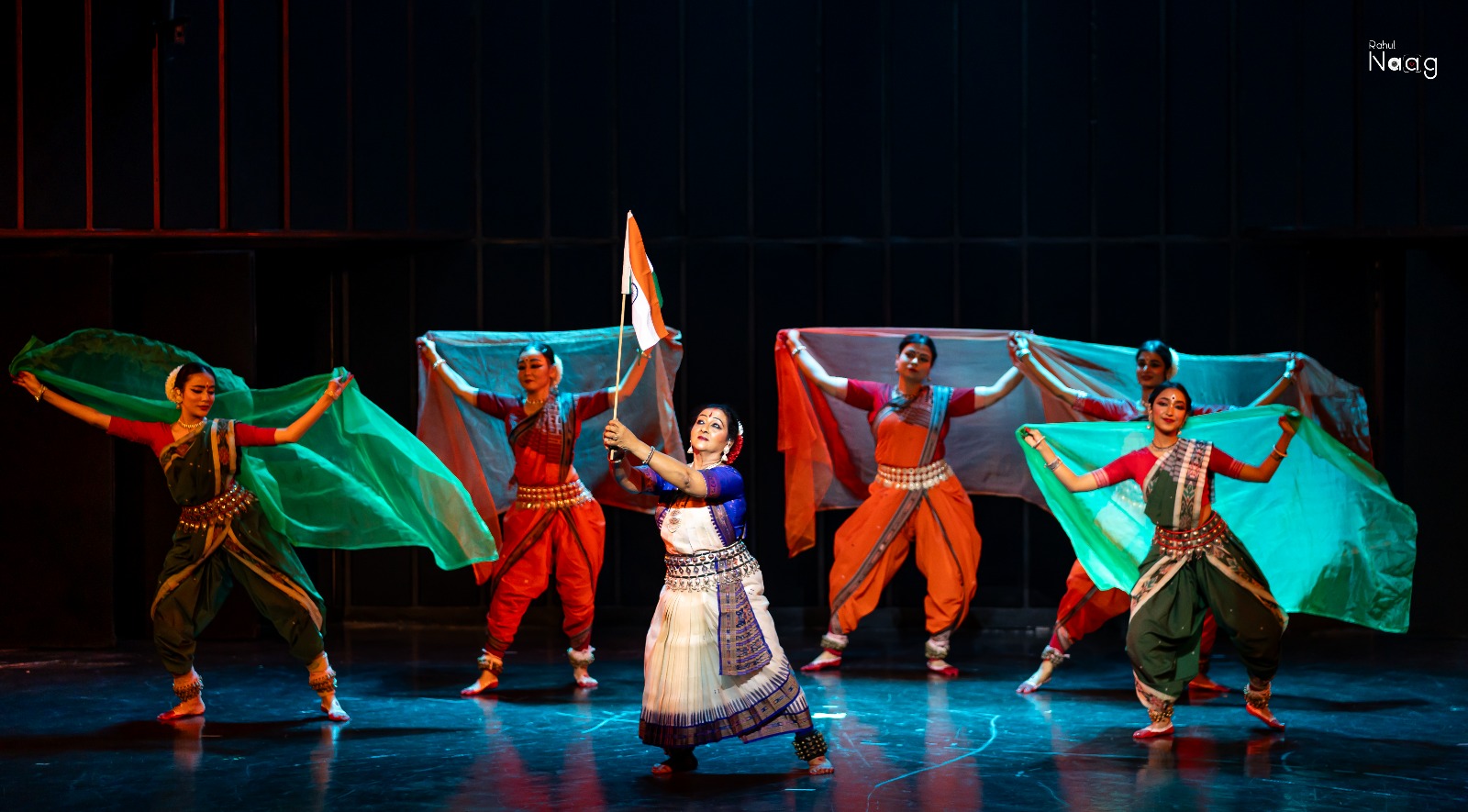
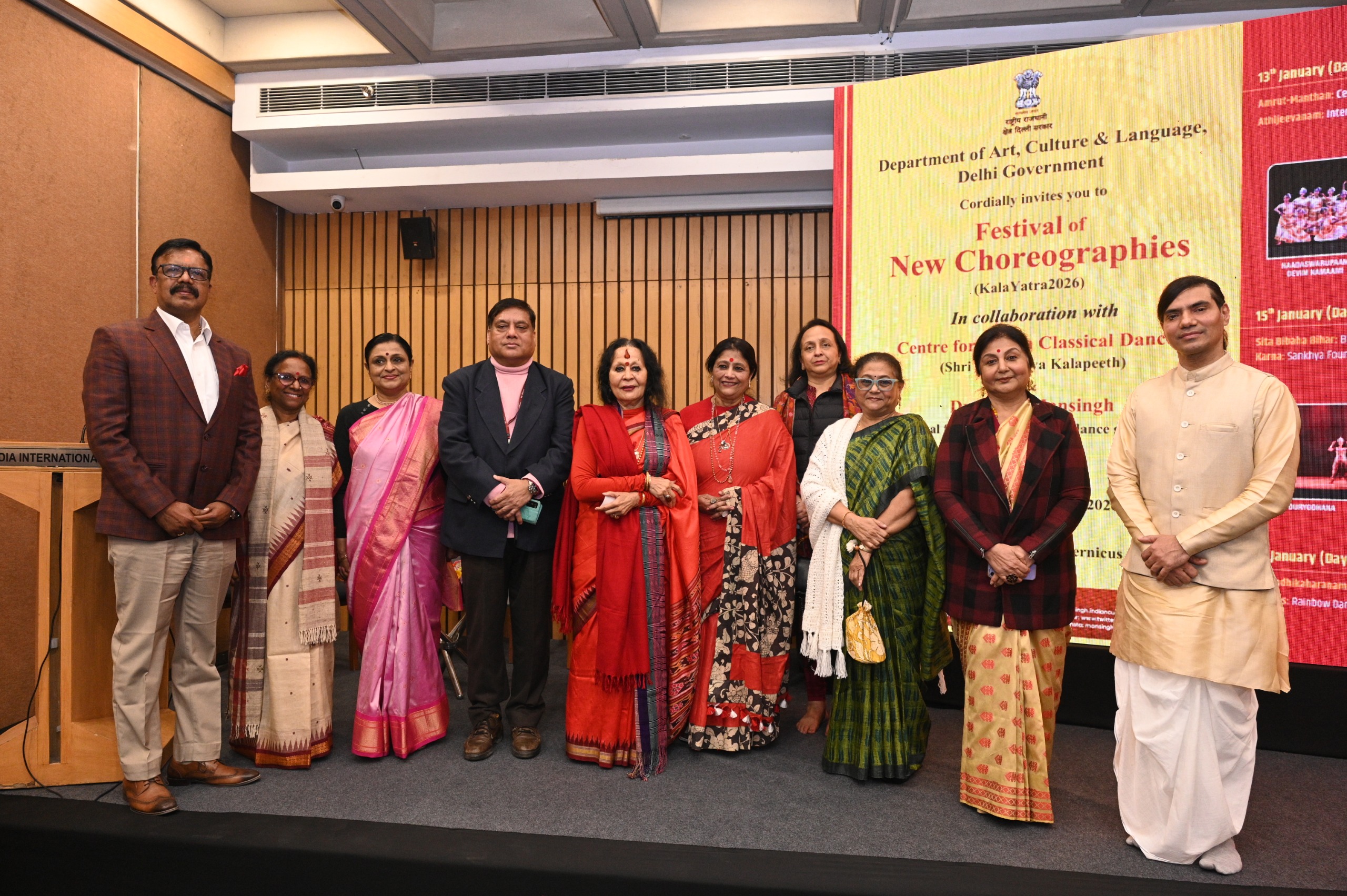
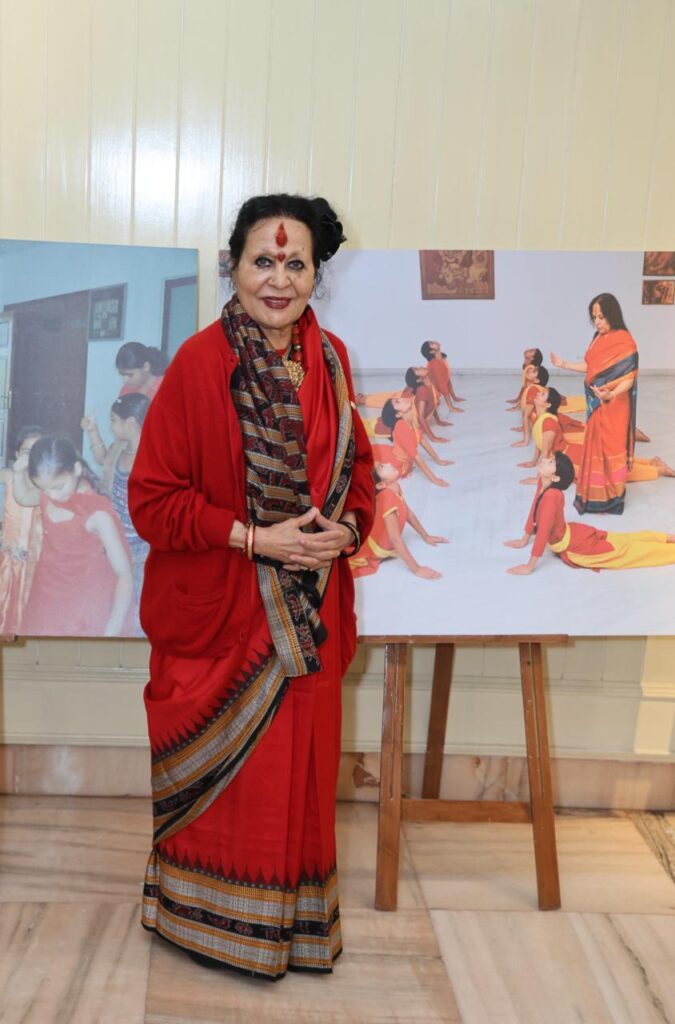
The recent conclusion of the Festival of New Choreographies – KalaYatra 2026 at Kamani Auditorium has left an indelible mark on the cultural fabric of Delhi. Curated by the visionary Padma Vibhushan Dr. Sonal Mansingh, the event emerged as a rare confluence where the traditional sanctity of guru-shishya parampara met the progressive demands of contemporary creative vision. It wasn’t merely a series of performances; it was a statement that placed the National Capital at the epicenter of India’s modern classical arts movement.
A Canvas of Epic Proportions
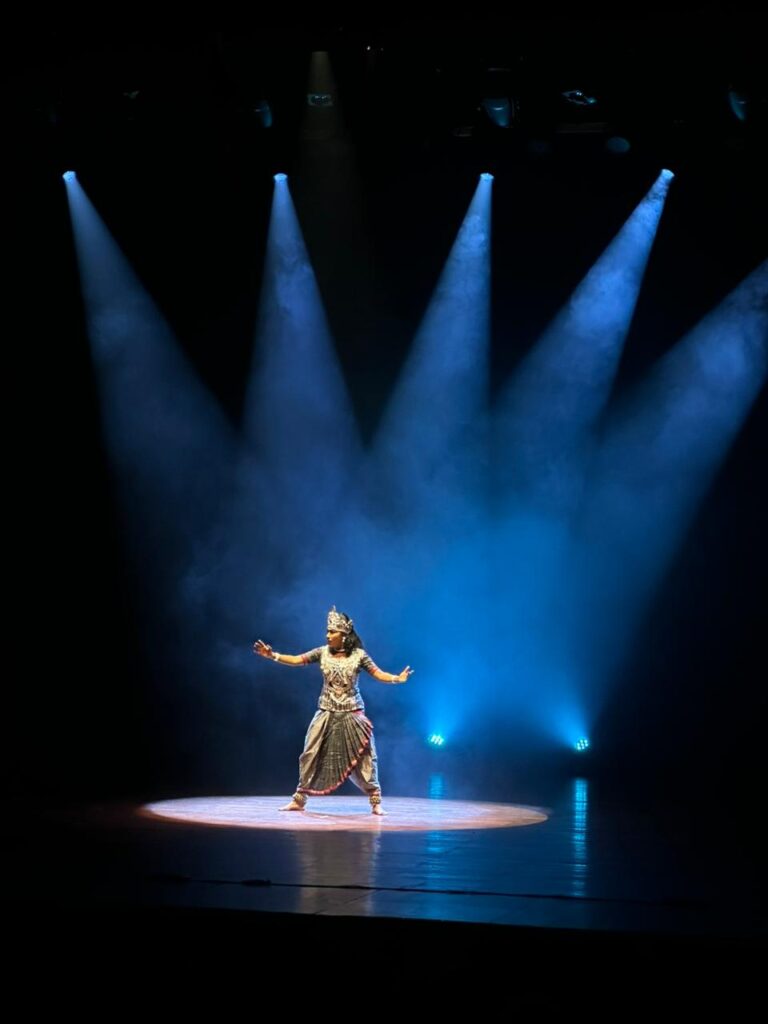
The festival’s strength lay in its ability to reinterpret the familiar. Productions based on the Mahabharata took center stage, offering audiences a deep dive into the epic’s ethical core. In Duryodhana, presented by the Bhubaneswar-based Srjan, the audience witnessed a layered portrayal of pride and moral blindness, culminating in a tragic, humanising realisation.
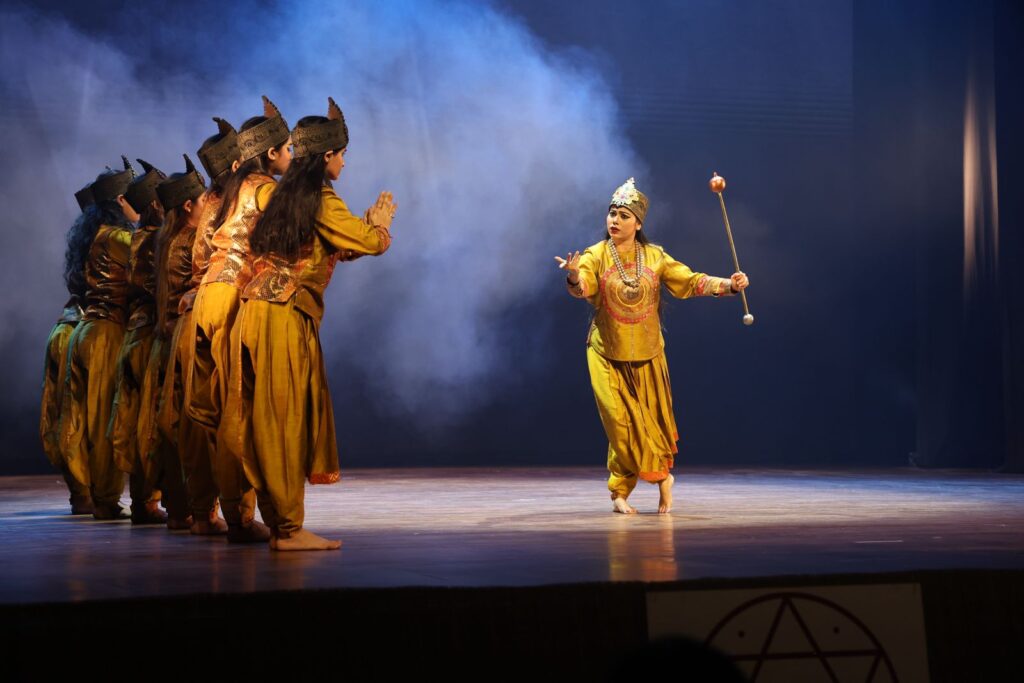
This was followed by the high-energy Chakravyuha from Shriram Bharatiya Kala Kendra. By blending the martial vocabularies of Mayurbhanj Chhau and Kalaripayattu, the production created a haunting visual of Abhimanyu’s sacrifice, represented by a lone warrior trapped within an ever-closing spiral.
Breaking Barriers through Inclusivity
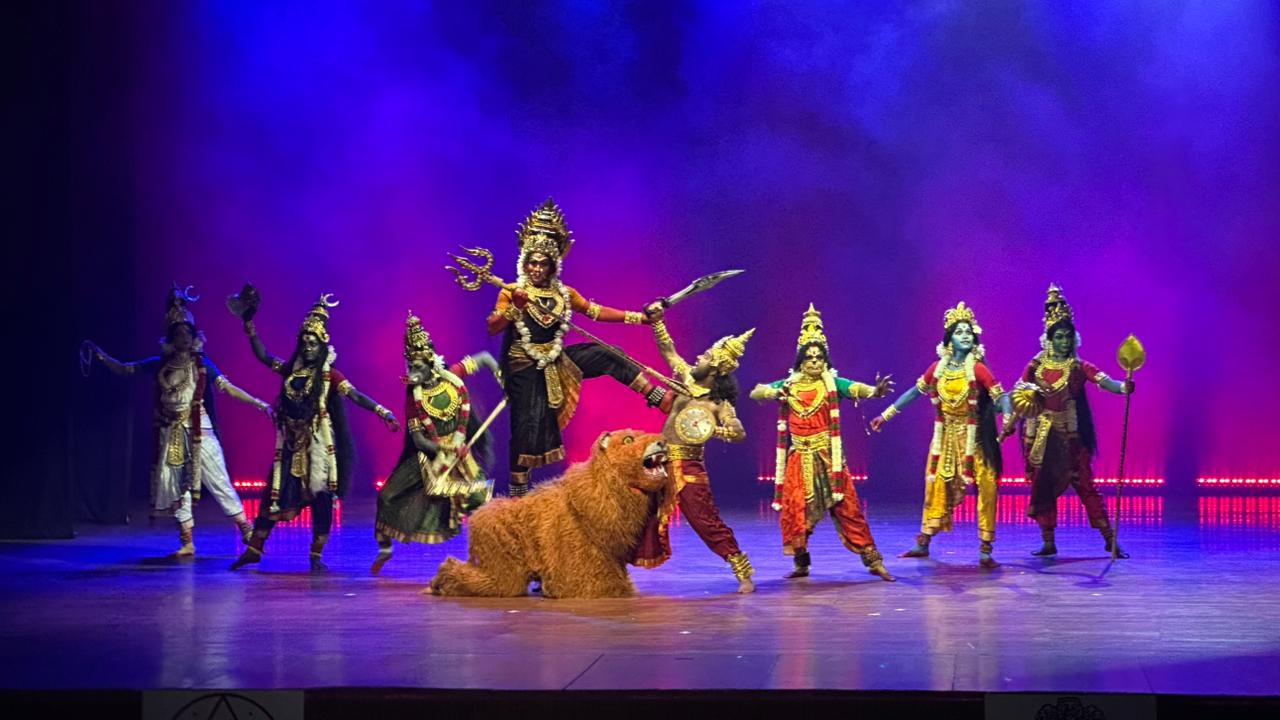
Perhaps the most significant milestone of the festival was its commitment to inclusivity. The production Matrika, performed by the all-LGBTQ+ professional Rainbow Dance Troupe from Barasat, served as a powerful reclamation of traditional narratives. Rooted in the story of the divine feminine vanquishing Mahishasura, the choreography celebrated protection and transformation while standing as a bold statement within the classical landscape.
Earlier in the festival, the audience was treated to Saugandhikaharnam by Chidakash Kalalay Centre, which traced Bheema’s transformative encounter with Lord Hanuman. This piece, rendered in the Marga Natya tradition, highlighted themes of humility and inner awakening that resonated long after the performers left the stage.
A National Tapestry of Talent
The festival opened with Dr. Mansingh’s own magnum opus, Amrut-Manthan, setting a high standard for the diverse works that followed. From the Kathakali traditions of Athijeevanam to the vibrant Yakshagana performance of Girija Kalyana, the event showcased a pan-Indian artistic identity.
While the performances took place across two legs in January, the impact of KalaYatra 2026 is expected to be felt for years to come. It has successfully challenged the notion that classical dance is a static art form, proving instead that it is a dynamic medium capable of addressing the most complex social and spiritual questions of our time.

Prerna Varshney is a journalist and social commentator with over five years of experience in health, gender, and policy reporting. Her work reflects a deep commitment to truth and empathy, simplifying complex issues for everyday readers.