




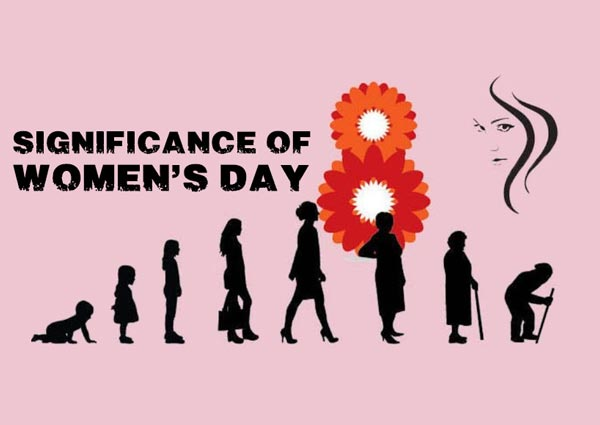
Every year on International Women’s Day, speeches, campaigns, and social media posts celebrate the achievements and empowerment of women. Governments announce new schemes, corporations highlight gender diversity, and public discourse focuses on equality and opportunity. Yet, incidents reported across the country often raise an uncomfortable question: has society actually become safer for women?
A yesterday incident involving a woman from Delhi brings this question into sharp focus. What was supposed to be a solo trip turned into a terrifying ordeal when she allegedly faced a rape attempt by a taxi driver while travelling in Uttarakhand. According to reports, the woman managed to escape the vehicle but was left injured and without her mobile phone. With no immediate help available, she ran into a nearby forest and spent the entire night hiding there, fearing for her life. It was only the next morning that she managed to reach safety and report the incident.
The story is shocking not only because of the violence involved but also because it highlights the vulnerability many women continue to face in public spaces. While the country celebrates empowerment, the reality on the ground often tells a more complicated story.
Data on crimes against women in India suggests that the issue remains deeply concerning. Statistics from the National Crime Records Bureau show that thousands of cases of rape, assault, and harassment are reported every year. While awareness campaigns and stricter laws have encouraged more victims to come forward, the overall numbers indicate that violence against women remains a persistent challenge.
After the horrific 2012 Delhi gang rape case, there was widespread public outrage and demands for reform. The government introduced stronger legal provisions and faster trial mechanisms to deal with sexual crimes. Public conversations about women’s safety became louder, and several states launched helplines and safety initiatives. Over time, these measures were expected to create safer environments for women, particularly in urban areas.
However, more than a decade later, many incidents continue to reveal gaps between policy promises and everyday reality. Women travelling alone, especially in unfamiliar places, often face risks that go beyond infrastructure or policing. Issues such as poorly regulated taxi services, isolated roads, and delayed emergency responses can turn routine travel into dangerous situations.
At the same time, experts note that the increase in reported cases does not necessarily mean crimes are increasing at the same rate. In some instances, higher reporting may reflect greater awareness and willingness among women to approach the police. Social movements advocating gender justice have encouraged survivors to speak out against harassment and violence that might previously have remained hidden.
Yet statistics alone cannot capture the psychological dimension of safety. For many women, the perception of danger is shaped by daily experiences — from street harassment to unsafe public transport. The Delhi woman’s experience in the forests of Uttarakhand reflects a reality that many women understand too well: the need to constantly calculate risk while travelling or even stepping outside their homes.
Another important aspect of the debate is accountability within service sectors such as transportation and tourism. With increasing numbers of women travelling solo, the demand for reliable safety systems — including verified drivers, GPS tracking, and rapid emergency response mechanisms — has grown significantly. Experts argue that technological solutions can help, but they must be combined with strict enforcement and background verification systems.
Societal attitudes also play a crucial role. Despite years of awareness campaigns, victim-blaming and skepticism towards survivors continue to surface in public discussions. This cultural dimension often discourages reporting and complicates the pursuit of justice.
In this context, the contrast between celebrating women’s empowerment and confronting incidents of violence becomes stark. International Women’s Day reminds society of the progress made in education, employment, and representation. But incidents like the one in Uttarakhand also serve as a reminder that true empowerment is impossible without safety and freedom in everyday life.
The challenge, therefore, is not only to celebrate women once a year but to ensure that policies, institutions, and social attitudes evolve together. Until women can travel freely without fear — whether in cities or remote areas — the promise of equality will remain incomplete.

Prabha Gupta is a veteran journalist and civic thinker dedicated to the constitutional ideals of dignity and institutional ethics. With over thirty years of experience in public communication, her work serves as a bridge between India’s civil society and its democratic institutions. She is a prominent voice on the evolution of Indian citizenship, advocating for a national discourse rooted in integrity and the empowerment of the common citizen