


How the Iran–Israel Conflict Could Hit India’s Economy and Oil Prices
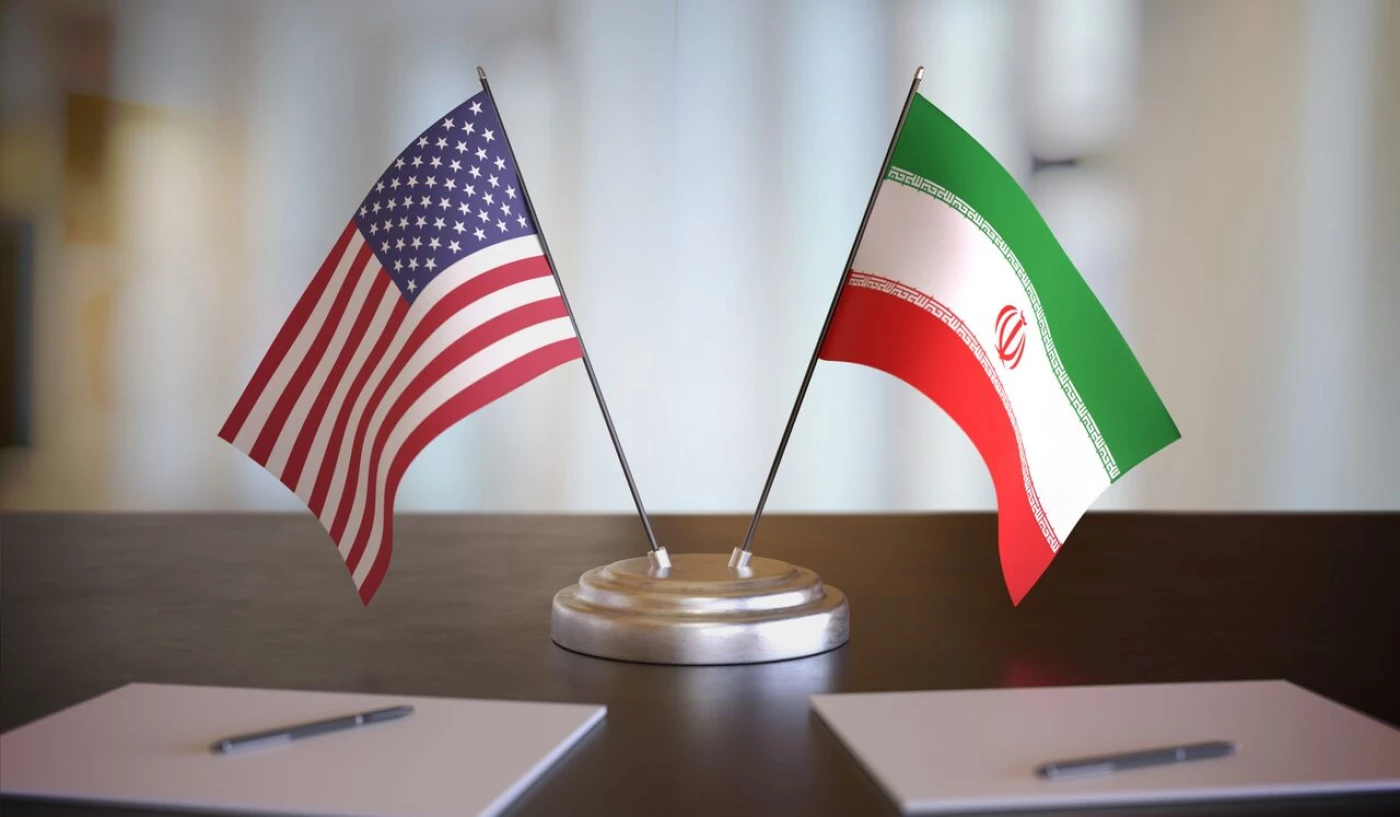
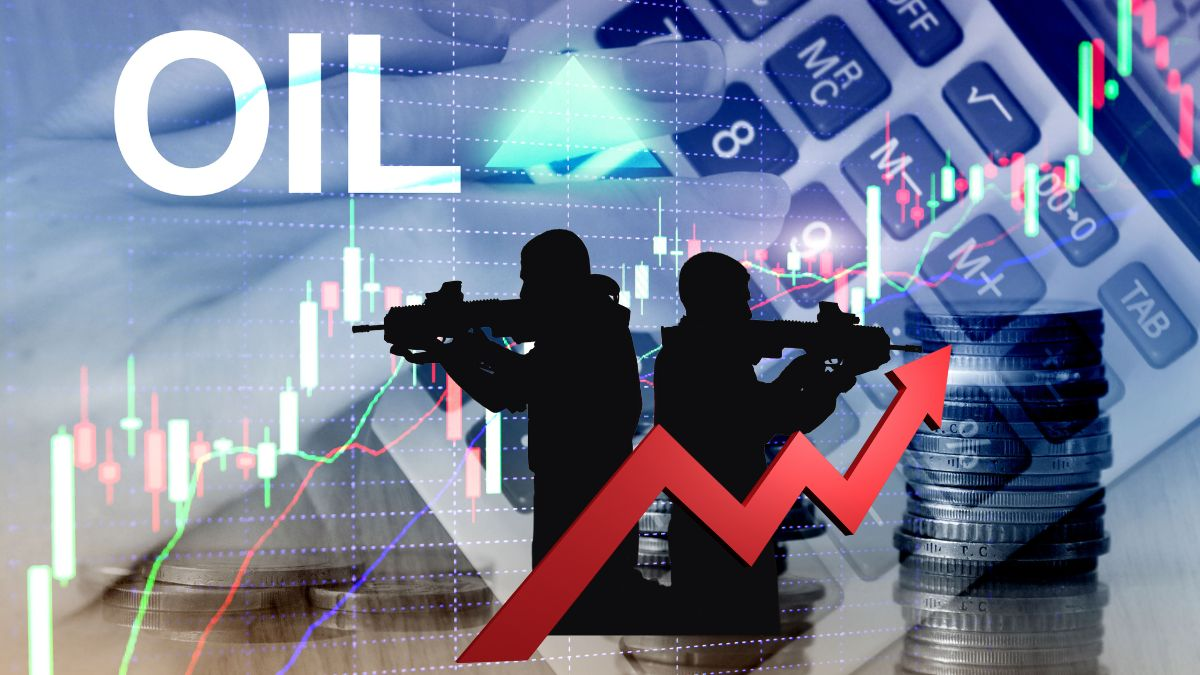
How the Iran–Israel Conflict Could Hit India’s Economy and Oil Prices- The ongoing Iran–Israel conflict is no longer just a regional military confrontation—it is rapidly evolving into a global economic shockwave. For India, which imports nearly 85–90% of its crude oil needs, the crisis poses a serious threat to economic stability, currency strength, and the everyday cost of living.
At the heart of this crisis lies the Strait of Hormuz, a narrow but crucial oil transit route through which nearly 20% of global oil supply passes. Any disruption here has immediate consequences for oil pricesand by extension, economies like India’s that are heavily dependent on imports.
Oil Prices Surge: A Direct Blow to India
Global crude oil prices have already surged sharply due to escalating tensions. Brent crude recently crossed $110 per barrel, with analysts warning that prices could rise even further if the conflict intensifies.
For India, this translates into a ballooning import bill. Higher oil prices increase the cost of fuel imports, widening the current account deficit and putting pressure on government finances. Even a 10% rise in oil prices can shave off up to 0.25% from India’s GDP growth, according to financial estimates.
Industries such as aviation, logistics, fertilizers, and manufacturing are the first to feel the impact. Rising input costs eventually cascade across the economy, pushing up inflation and slowing economic growth.
Rupee Under Pressure: Currency Volatility Returns
As oil prices rise, India needs more dollars to pay for imports. This increases demand for foreign currency, weakening the Indian rupee.
Recent trends already indicate pressure on the rupee, with capital outflows and declining investor confidence adding to the strain.
A weaker rupee creates a double impact:
- Imports (especially oil) become more expensive
- Inflation rises due to higher input costs
To stabilize the situation, the Reserve Bank of India (RBI) may intervene in currency markets or tighten monetary policy. However, such measures can slow economic growth further by increasing borrowing costs.
As oil prices rise, India needs more dollars to pay for imports. This increases demand for foreign currency, weakening the Indian rupee.
Recent trends already indicate pressure on the rupee, with capital outflows and declining investor confidence adding to the strain.
A weaker rupee creates a double impact:
- Imports (especially oil) become more expensive
- Inflation rises due to higher input costs
To stabilize the situation, the Reserve Bank of India (RBI) may intervene in currency markets or tighten monetary policy. However, such measures can slow economic growth further by increasing borrowing costs.
The Bigger Picture: A Multi-Layered Economic Risk
India’s exposure to the Middle East goes beyond oil. The region is also critical for:
- Trade routes
- Remittances from Indian workers
- Energy security
A prolonged conflict could disrupt all three, creating a multi-layered economic challenge.
The government has already begun taking precautionary measures—such as fuel tax adjustments and supply chain monitoring—to cushion the impact. However, the effectiveness of these steps will largely depend on how long the conflict lasts.
The Iran–Israel conflict underscores a harsh reality: India’s economic stability remains deeply tied to global geopolitics, particularly in the energy sector.
Rising oil prices, a weakening rupee, and increasing inflation together form a triple economic threat. While short-term policy measures may soften the blow, a prolonged crisis could slow growth, strain public finances, and deepen the burden on ordinary citizens.
In an interconnected world, wars fought thousands of kilometers away are no longer distant, they are felt directly at the fuel pump, in household budgets, and across the broader economy.

Prabha Gupta is a veteran journalist and civic thinker dedicated to the constitutional ideals of dignity and institutional ethics. With over thirty years of experience in public communication, her work serves as a bridge between India’s civil society and its democratic institutions. She is a prominent voice on the evolution of Indian citizenship, advocating for a national discourse rooted in integrity and the empowerment of the common citizen