




By Prabha Gupta | Investigative Desk, NewsHashtag
MUMBAI — In the high-stakes world of digital trading, “goodwill” has a specific price tag: ₹19.2 crore. That is the figure Angel One recently disclosed in its Q4 FY26 earnings call, a one-time “reimbursement” to clients impacted by technical disruptions at the Multi Commodity Exchange (MCX). While the brokerage frames this as a proactive measure to “safeguard reputation,” a deeper investigative look suggests a troubling inconsistency in how the firm handles technical accountability when the cameras aren’t rolling. “According to reports by Business Standard
and Rediff,, Angel One officially took a ₹19.2 crore hit to compensate for MCX glitches, citing it as a ‘goodwill gesture’ to protect their reputation.”
Angel One bears ₹19 crore loss over MCX trading disruption compensation
Angel One Takes ₹19 Cr Hit On MCX Trading Disruption
For mass outages, the checkbook opens. But for individual traders armed with forensic evidence of internal system failures, the response is often a wall of technical jargon and a flat denial of liability.
The “Ghost” in the Machine
“A ‘Ghost Trade’ is a transaction that exists on the broker’s ledger but has no footprint in the physical world of the investor. It is a trade executed by the system, attributed to the user, and justified by logs that contradict the user’s actual hardware and activity.”
The core of the controversy lies in the “forensic logs” provided by the broker—documents that are supposed to be the “black box” of a trade. However, recent cases investigated by NewsHashtag reveal logs that appear to be more fiction than fact.
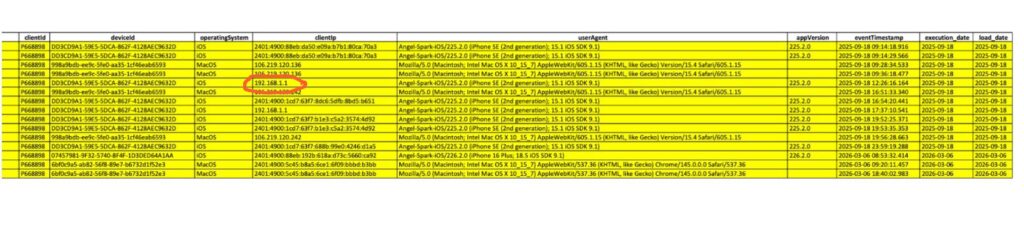
In one striking instance, a trader’s logs claimed a “Ghost Trade” was executed from an Intel-based Mac. The reality? The investor provided an official purchase bill for an M1 Silicon Mac—a hardware architecture entirely different from what the broker’s logs recorded. Furthermore, the device’s Screen Time data showed zero activity during the time of the trade, proving the machine was inactive.
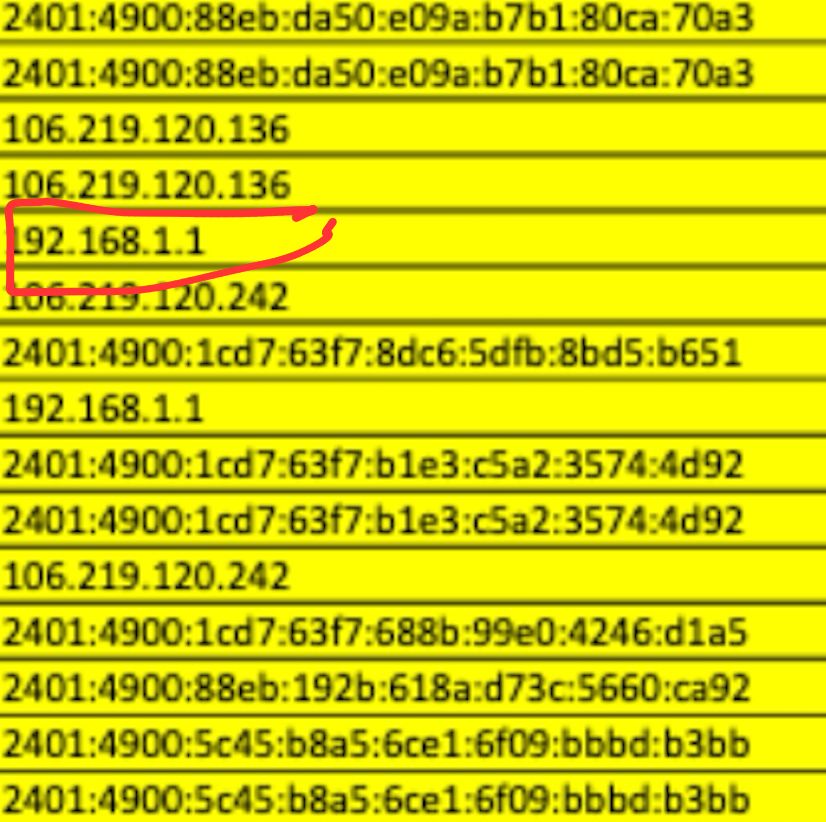
The most damning piece of evidence, however, was a “Smoking Gun” hidden in the IP logs: the leak of an internal IP address—192.168.1.1.
The Call is Coming from Inside the House
In networking, 192.168.1.1 is a private, non-routable IP address typically used for internal routers. For this address to appear in a log as the “source” of an external trade is a technical impossibility unless the order originated from inside the broker’s own server environment.
“When a log shows an internal IP, it suggests a server-side script or an internal system error triggered the trade, not the client,” says a forensic data analyst. Yet, despite this evidence, brokers often pivot to the “external glitch” defense, blaming exchange connectivity or client-side issues.
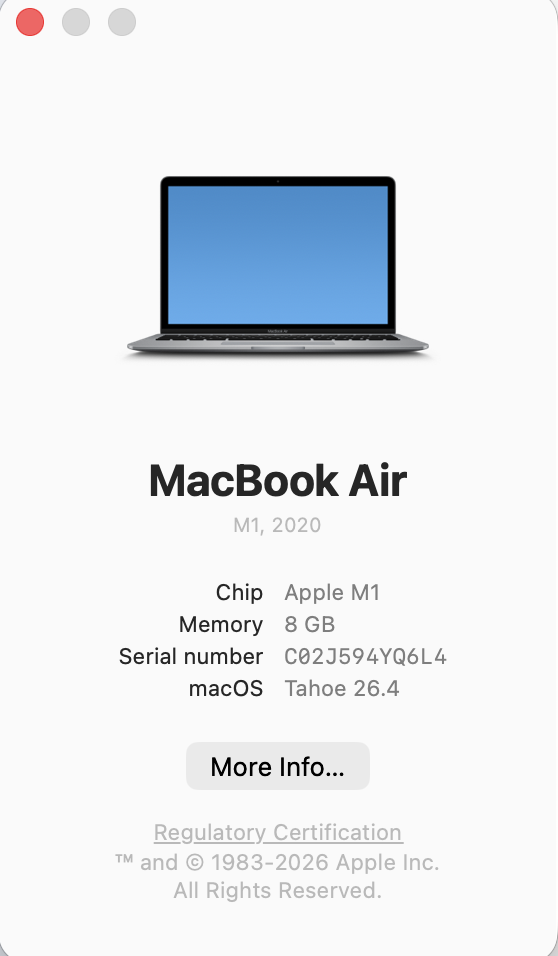
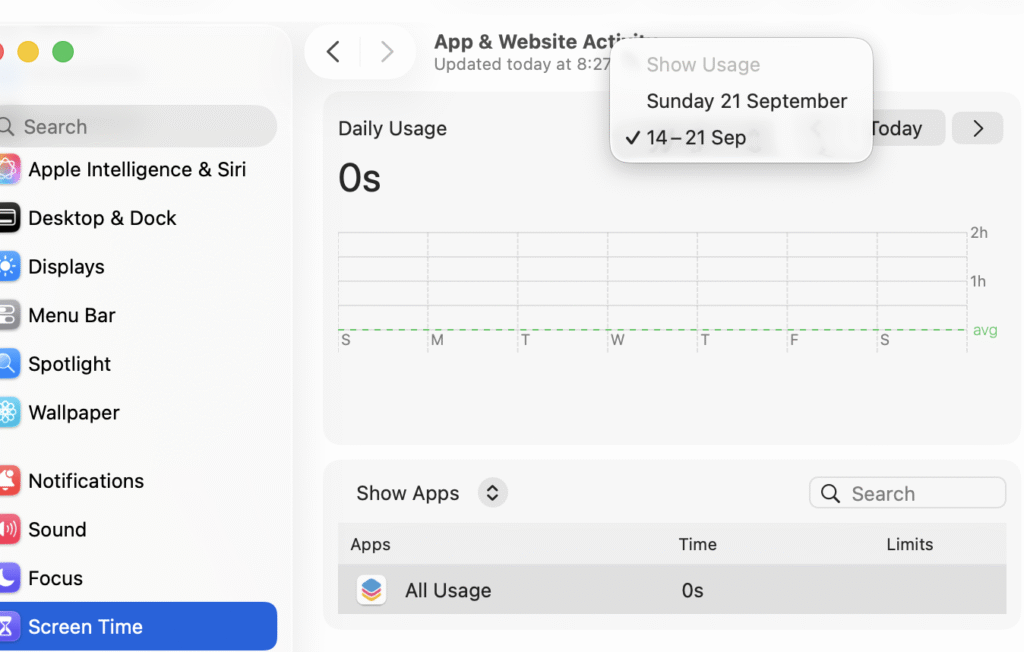
On September 18 it is showing 0 activity while Angelone Yellow sheet data is saying “Placed the order from Intel Macintosh But The Trader is possessing Mac Book Air
Selective Accountability
The contrast is stark. On one hand, Angel One’s Head of Operations, Bhavin Parekh, admitted the firm bore a ₹19.2 crore loss for an “external” MII-level glitch where they had “no legal obligation” to pay. On the other hand, individual investors reporting internal forensic discrepancies are often pushed into grueling conciliation processes.
These conciliation meetings are frequently described by traders as “formalities” designed to “befool” the uninitiated. Without a deep understanding of IP protocols or hardware architecture, the average retail investor is at a massive disadvantage against a brokerage’s legal and technical teams.
A Systemic Risk
This isn’t just about one trade; it’s about the integrity of India’s fintech ecosystem. If a brokerage can quantify its reputation at ₹19.2 crore for mass settlements, it must be held to the same standard of accuracy for the individual. The presence of hardware mismatches and internal IP leaks in official logs points to a systemic negligence that “goodwill” cannot mask.
As more traders move toward Arbitration, the demand for transparency is growing. Investors are no longer just looking at their Profit & Loss statements; they are looking at the code behind them.
For Angel One and the broader broking industry, the message is clear: In the age of forensic data, reputation cannot be bought with selective payouts. It must be earned through technical truth.
Attn: @SEBI_India @MCXIndLtd @jagograhakjago Have you experienced a ‘Ghost Trade’? Contact our investigative desk at NewsHashtag.

NewsHasghag operates a 24/7 news bureau that tracks the real-time, social media-driven stories from India and around the world, keeping you ahead of the day’s key talking points. Our digital-first approach transforms storytelling through the seamless integration of data, interactive charts, video, and audio into every narrative