

Water Wars Ahead: Who Is Responsible for India’s Growing Crisis?
Scarcity is visible—but the deeper problem lies beneath the surface
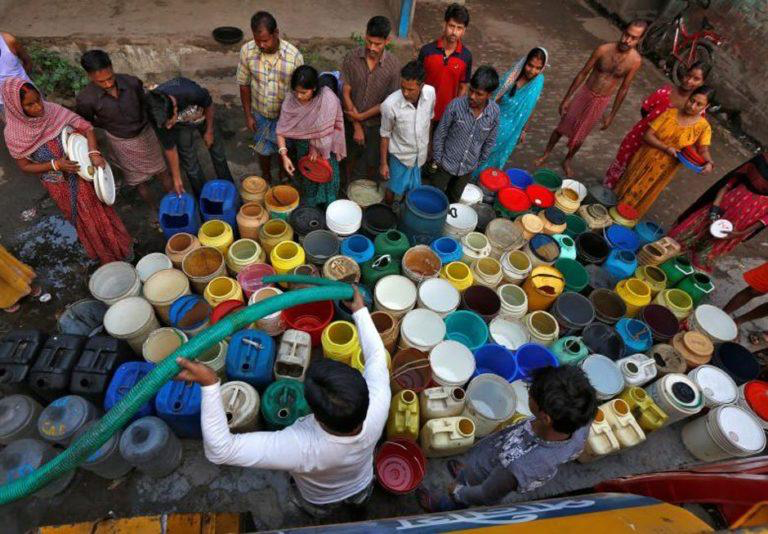
At first glance, India’s water crisis appears to be a simple story of rising demand. A growing population, expanding cities, and increasing consumption seem like obvious explanations. But this surface narrative misses the deeper structural imbalance that has quietly developed over decades.
India has always faced water stress. In earlier times, scarcity was managed through effort—people fetched water from wells, hand pumps, and community sources. Extraction was slow, physically demanding, and naturally limited. Today, technology has transformed access. Submersible pumps, borewells, and tanker networks have made water instantly available—at least for those who can afford it.
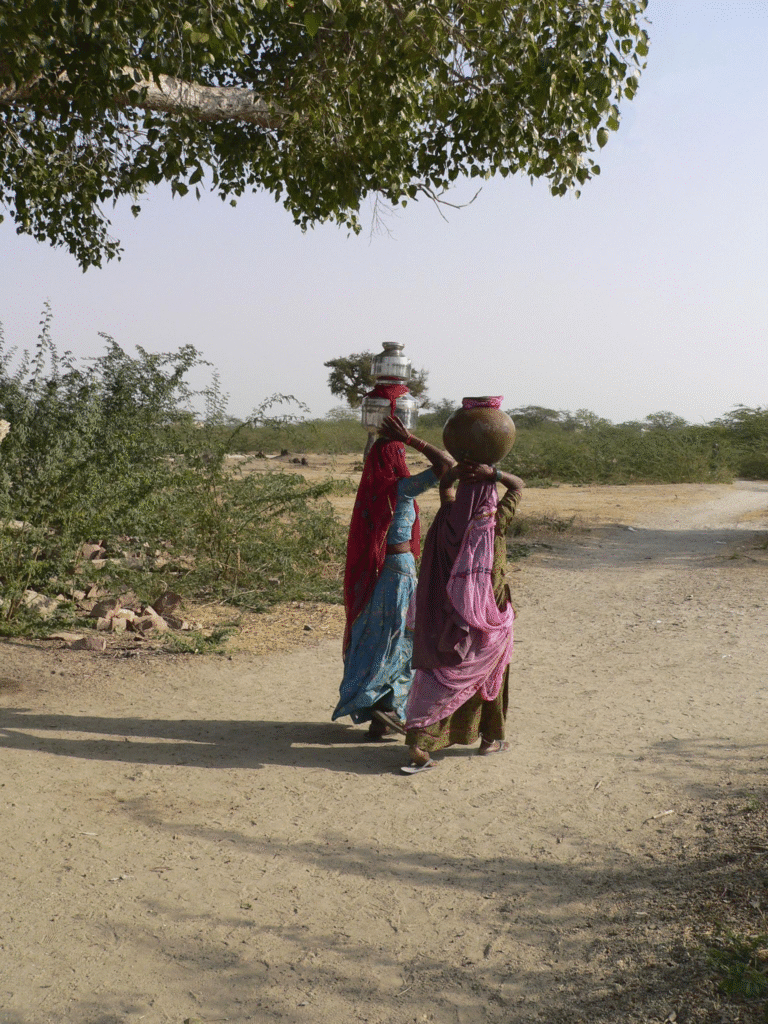
Yet, despite this technological progress, the crisis has intensified. The question is not why demand has increased, but why supply systems have failed to keep pace.
Extraction vs Recharge: The Invisible Imbalance
India accounts for nearly 18% of the global population but has access to only about 4% of the world’s freshwater resources. This imbalance is not new. What has changed is the scale and speed at which water is being extracted. India is now the world’s largest user of groundwater, relying on it for the majority of rural drinking water, irrigation, and a significant portion of urban supply.
The core issue lies in the mismatch between extraction and recharge. Groundwater accumulates slowly, dependent on rainfall and natural absorption. However, modern pumping technologies allow for rapid withdrawal, often far exceeding the rate at which aquifers can replenish. Over time, this creates a structural deficit—water levels decline not because water is “used up,” but because it is removed faster than it is restored.
Population Pressure and Policy Gaps
Population growth amplifies this imbalance. More people require more housing, food, and infrastructure—all of which demand water. However, urban expansion in India has largely ignored hydrological limits. Cities have grown outward without preserving natural recharge zones. Lakes, wetlands, and open land that once absorbed rainwater have been replaced by concrete surfaces that prevent infiltration.
Policy frameworks have further complicated the situation. In agriculture, incentives such as free or subsidized electricity encourage excessive groundwater extraction. Water-intensive crops continue to be cultivated in regions that are not naturally suited for them. Meanwhile, groundwater regulation remains fragmented and weakly enforced, allowing millions of individual borewells to operate without oversight.
This creates a system where extraction is decentralized and largely unregulated, while recharge efforts are collective and insufficient.
Markets, Climate, and the Strain on Access
The role of private water markets adds another layer of complexity. Tanker operators and bottled water suppliers have emerged to fill gaps left by public infrastructure. While they provide essential services, they also contribute to localized over-extraction, particularly in peri-urban areas. Importantly, the issue is not that water is being “lost” through commercial use—most of it is consumed domestically—but that its withdrawal is concentrated and unmonitored.
Climate variability is intensifying existing vulnerabilities. Monsoon patterns have become increasingly erratic, with shorter periods of intense rainfall followed by extended dry spells. This reduces the effectiveness of natural recharge and increases dependence on already stressed groundwater systems.
Taken together, these factors point to a systemic failure rather than a single cause. The crisis is not driven solely by population growth, technological advancement, or climate change, but by the interaction of all three within a poorly regulated and inadequately planned framework.
India’s water challenge, therefore, is not simply about scarcity. It is about the sustainability of access. Water continues to exist within the system, but the mechanisms that distribute, store, and replenish it are under strain.
The implications are significant. As groundwater levels decline, the cost of access rises. Inequalities deepen, and conflicts over allocation—between urban and rural areas, agriculture and industry—become more likely.
The central question is no longer whether India has enough water, but whether it can manage what it has in a way that is equitable and sustainable. Until that balance is addressed, the risk of a full-scale water crisis will remain not just possible, but probable.

Prabha Gupta is a veteran journalist and civic thinker dedicated to the constitutional ideals of dignity and institutional ethics. With over thirty years of experience in public communication, her work serves as a bridge between India’s civil society and its democratic institutions. She is a prominent voice on the evolution of Indian citizenship, advocating for a national discourse rooted in integrity and the empowerment of the common citizen