


AI Summit, Protests and the Politics of Accountability
Was India’s global image damaged by a protest — or by mismanagement?
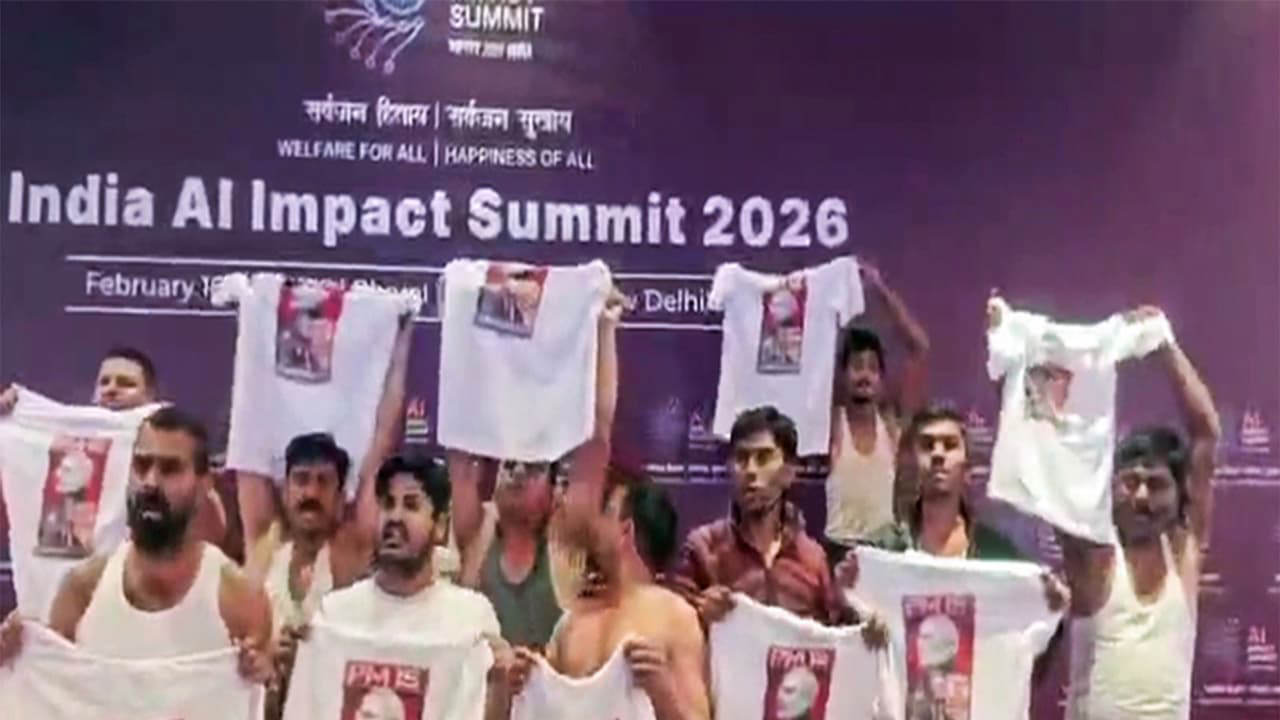
This question has moved to the center of political debate following the arrest of Indian Youth Congress president Uday Bhanu Chib after a demonstration linked to the AI Summit in Delhi. Police questioned him for nearly 20 hours before securing four days of remand. The allegation: that the protest created disorder and harmed India’s international reputation.
However, a timeline of events complicates that narrative.
The AI Summit began on February 16. The Youth Congress protest took place four days later, on February 20. By then, criticism regarding the summit’s organization had already surfaced — not just domestically but internationally.
On February 17, global financial publication Bloomberg reported that the summit had opened amid confusion and logistical lapses. The same day, BBC News cited delegates complaining about long queues and coordination problems. On February 19, The New York Times discussed organizational challenges at the event. A subsequent February 20 report again highlighted concerns about management and India’s execution of the high-profile gathering.
In other words, global criticism began before the Youth Congress protest occurred.
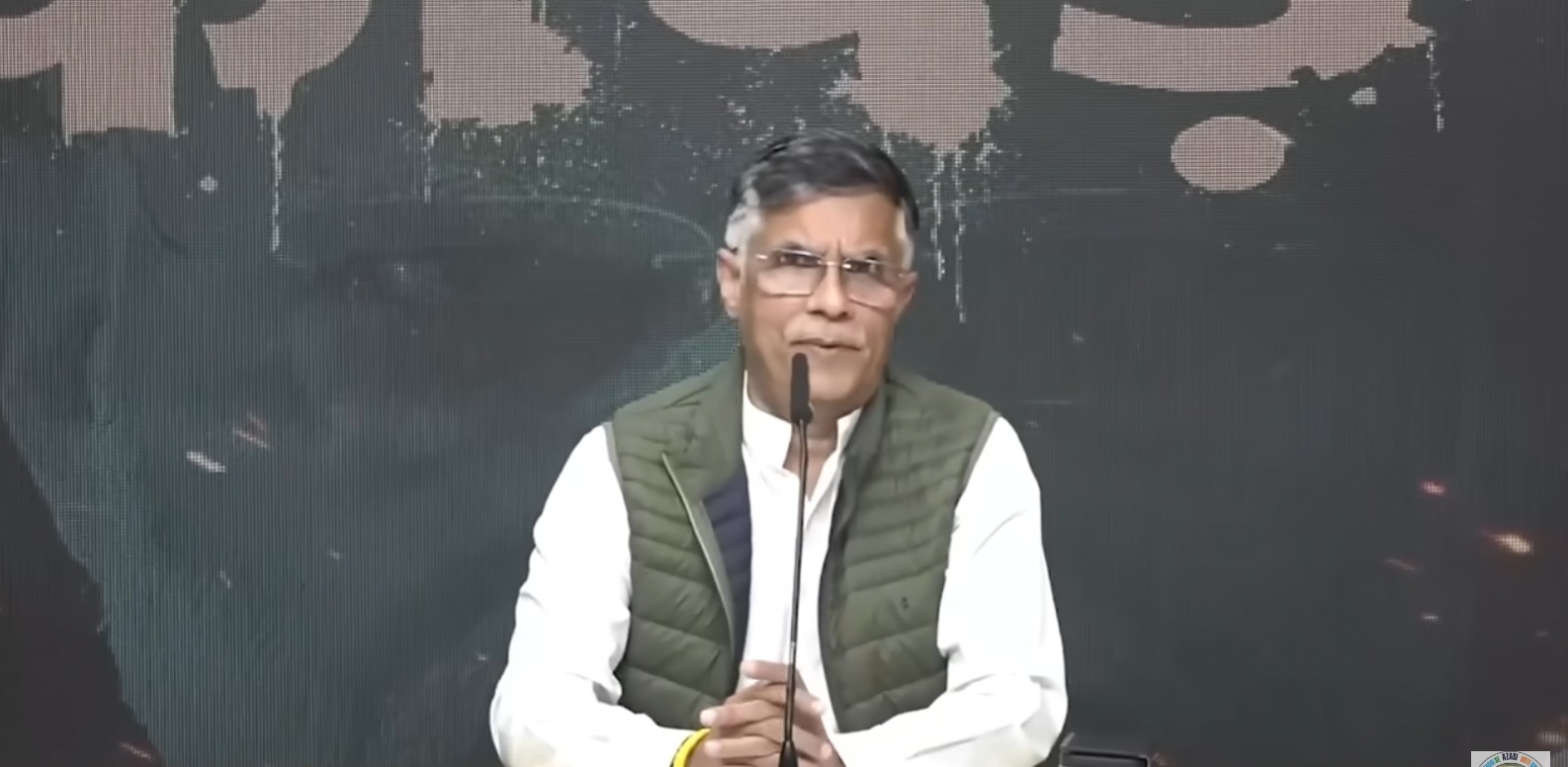
Adding to the controversy was the scheduled participation of Microsoft co-founder Bill Gates. Questions were raised online about why his address was altered and why his invitation had been extended in the first place, given ongoing international scrutiny over his past associations. Pawan Kheda, Congress Media that if reputational damage occurred, scrutiny should also extend to the decision-making process behind such invitations. Who authorized them? Was any review conducted? Has any official been held accountable?
So far, no public disciplinary action against organizing authorities has been announced. IT Minister Ashwini Vaishnaw reportedly expressed regret over initial logistical issues, but there has been no indication of suspension or inquiry against officials responsible for planning.
This contrast fuels opposition claims that protestors are being targeted while administrative lapses escape scrutiny.
Prime Minister Narendra Modi, addressing a rally in Meerut, sharply criticized the Congress party, accusing it of turning a global platform into a political battleground. He argued that some opposition parties distance themselves from Congress’ actions while benefiting from broader “opposition” labeling in media discourse.
Interestingly, in the same speech, he differentiated between Congress and other opposition parties like the BSP and TMC — remarks that political observers interpreted as strategically calibrated messaging, particularly in states like Uttar Pradesh and West Bengal where caste and regional equations are electorally significant.
At the same time, opposition leader Rahul Gandhi responded with equally strong language, alleging that the government is avoiding accountability on multiple fronts — including trade negotiations with the United States, regulatory debates over UGC’s “Samata Regulation,” and questions related to major corporate cases. He framed the arrest as an attempt to shift focus from substantive policy issues to symbolic confrontation.
Beyond partisan exchanges, the broader constitutional issue remains: does protest inherently damage a nation’s image?
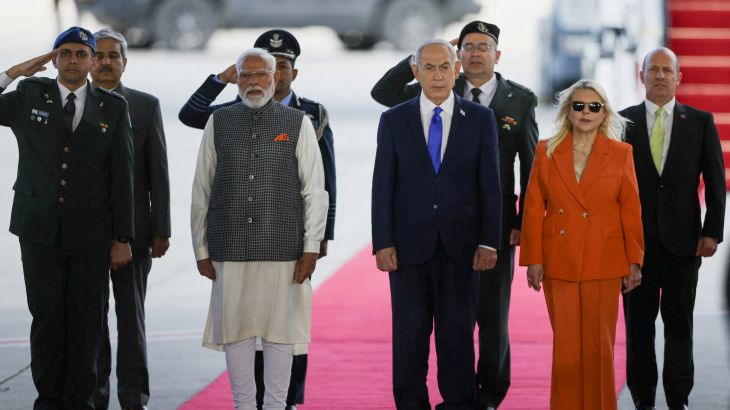
International precedent suggests otherwise. Democracies routinely witness demonstrations during major global events. When Israeli Prime Minister Benjamin Netanyahu addressed the U.S. Congress in July 2024, protests unfolded outside in Washington. When controversial judicial reforms were proposed in Israel in 2023, nationwide demonstrations erupted. The presence of dissent did not automatically translate into diplomatic collapse.
Similarly, protests frequently occur outside the White House and the UK Parliament. In these systems, dissent is viewed as an indicator of democratic vitality rather than reputational weakness.
Critics argue that India risks conflating dissent with disorder. Supporters of the government counter that security concerns during global summits cannot be trivialized.
The essential distinction lies in violence versus symbolic protest. Authorities have not publicly indicated that the Youth Congress demonstration turned violent or disrupted summit proceedings directly. No speech was halted. No foreign delegation reportedly withdrew due to the protest itself.
If logistical chaos, VIP movement bottlenecks, or organizational gaps affected the summit’s early perception, those are governance issues — separate from the right to protest.
Another concern raised by civil society voices is the growing tendency to register FIRs following demonstrations. Across recent years — from citizenship law protests to farmers’ movements — authorities have often taken strict action, arguing national security imperatives. Yet courts in democratic systems, including the UK’s High Court in 2025 when reviewing protest bans, have sometimes reversed sweeping restrictions on civil action.
The larger anxiety among critics is psychological: that citizens are gradually being conditioned to equate protest with risk.
Whether one agrees with Youth Congress or not, the constitutional principle remains clear — peaceful dissent is part of democratic architecture. The Supreme Court of India has repeatedly affirmed this in past judgments.
If India’s global image is to be assessed, it must consider both efficiency and liberty. Administrative competence enhances credibility. So does tolerance for disagreement.
The AI Summit episode thus raises two parallel questions:
1. Should protestors be held accountable if they violate specific laws?
2. Should administrative lapses face equal scrutiny and responsibility?
Democracy demands consistency. If one side is investigated, the other cannot remain immune.
Ultimately, a nation’s image is not weakened by citizens raising slogans. It is tested by how the state responds to those slogans.
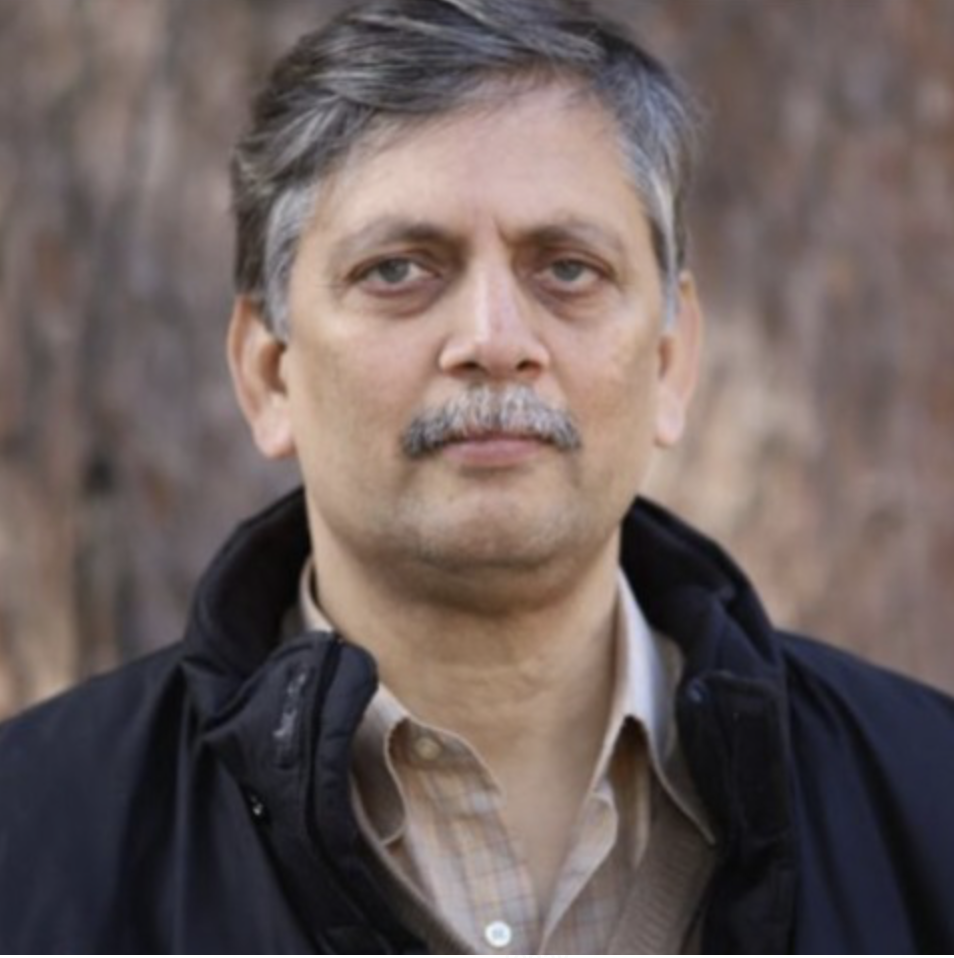
Gyaneshwar brings more than three decades of distinguished journalistic experience to the team. He has contributed significantly to both print and electronic media and directed several documentary films. For over 35 years, he has held key editorial roles in newspapers and TV channels, including The Pioneer and JAIN TV. Known for his balanced perspective and in-depth analysis, he brings leadership and expertise, and ensures accuracy, relevance, and clarity in every story.