


Bihar Alcohol Ban: 9 Years Later, Who Gained and Who Lost?
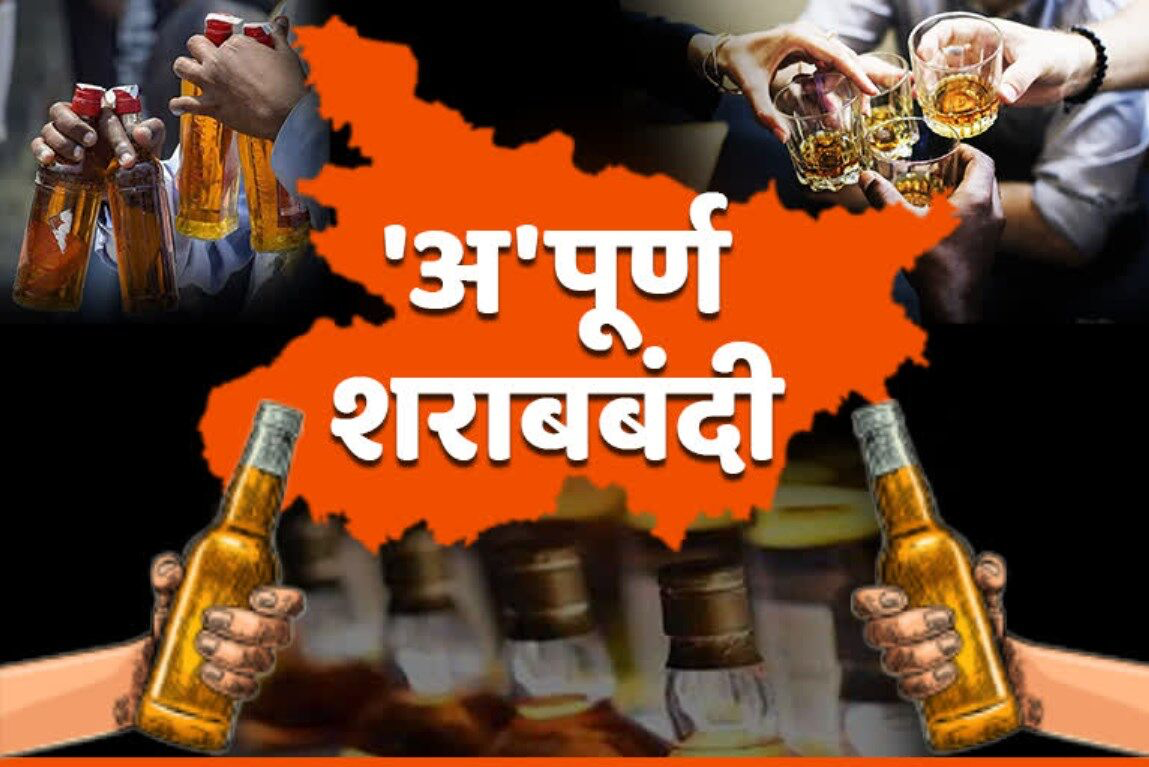
The Bihar alcohol ban, introduced in April 2016, was celebrated as a social revolution. Nine years later, it remains one of Bihar’s most defining political experiments. Yet, ahead of elections, both ruling and opposition parties avoid the debate. Women once saw relief; today illegal liquor spreads quietly, raising questions about the true impact of prohibition in Bihar.
A Ban That Reshaped Homes and Gave Women a Voice
At first, the Bihar alcohol ban lifted hope. Women believed domestic violence would fall and family income would stabilise. Nitish Kumar gained a loyal women voter base through this policy. But implementation faltered. Illegal liquor routes flourished. Police misused sweeping powers. Lakhs were arrested. Poor families suffered while powerful networks benefited.
The liquor ban initially found strong support among rural women. According to a 2024 Lancet report, nearly 21 lakh women in Bihar reported zero incidents of domestic violence after prohibition came into force — a remarkable shift for a state that once recorded nearly 40% of India’s domestic violence cases in the 1990s, the highest in the country at the time.
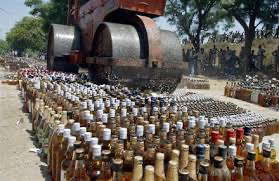
Despite prohibition, alcohol flows in villages. Smugglers bring liquor across borders. Newspapers report seizures every week. Methanol-based hooch kills silently. Families hide deaths out of fear. The ban meant to protect the poor now traps them in legal and health risks. Meanwhile, those running illegal liquor networks remain invisible and untouched.
Political Silence on the Bihar Alcohol Ban
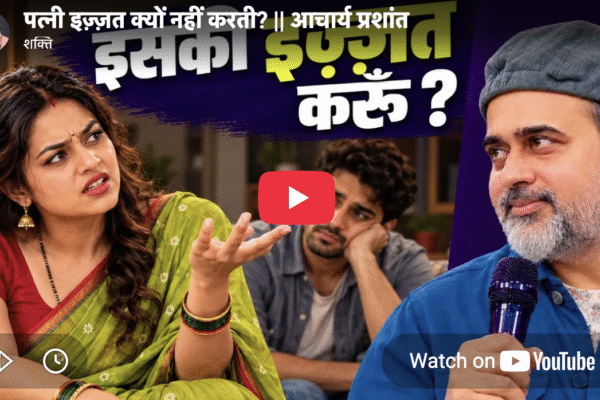
No party wants to speak openly about the Bihar alcohol ban. NDA avoids praising it. The Mahagathbandhan avoids opposing it. RJD promises a “review,” while Prashant Kishor asks for ending the ban to fund education. The silence signals fear of losing women voters.
If prohibition worked, why no leader claims success? If it failed, why no one demands accountability? Bihar sees growing drug use and alcohol smuggling despite prohibition. Women deserve honest answers, not political strategy. The ban cannot succeed without strong policing, rehabilitation centres, and transparency. Bihar needs facts, not silence.
Also Read: bihar-investment-promise-realism-50-lakh-crore/

Prabha Gupta is a veteran journalist and civic thinker dedicated to the constitutional ideals of dignity and institutional ethics. With over thirty years of experience in public communication, her work serves as a bridge between India’s civil society and its democratic institutions. She is a prominent voice on the evolution of Indian citizenship, advocating for a national discourse rooted in integrity and the empowerment of the common citizen