




Gold Falls Below Rs 1.5 Lakh, Silver Drops Rs 4,000: Why Are Precious Metals Sliding?
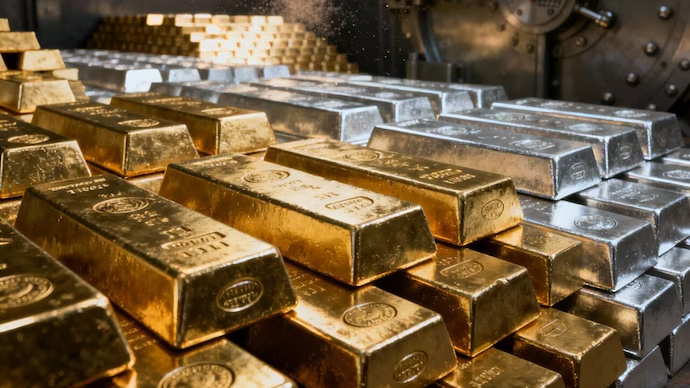
Gold and silver prices witnessed a sharp decline in India, mirroring a broader sell-off in global bullion markets. Gold slipped below the psychological mark of Rs 1.5 lakh per 10 grams, while silver tumbled by nearly Rs 4,000 per kilogram in a single session. The sudden correction has surprised investors who had grown accustomed to the relentless rally in precious metals over the past year.
The decline comes amid a combination of global economic factors, including a strengthening US dollar, rising crude oil prices, and renewed concerns that major central banks may keep interest rates higher for longer than previously anticipated. Together, these developments have reduced the appeal of non-yielding assets such as gold and silver.
Stronger Dollar Pressures Bullion
One of the primary reasons behind the decline is the resurgence of the US dollar. Gold is internationally priced in dollars, and a stronger greenback makes the metal more expensive for buyers using other currencies. As a result, demand often weakens, putting downward pressure on prices.
Recent economic data from the United States has reinforced expectations that inflation remains persistent. This has led investors to scale back hopes of aggressive interest rate cuts by the US Federal Reserve. When interest rates stay elevated, fixed-income assets such as government bonds become more attractive relative to gold, which does not generate interest or dividends.
The rise in US Treasury yields has further intensified selling pressure. Higher yields increase the opportunity cost of holding precious metals, prompting institutional investors to shift funds toward interest-bearing investments.
Oil Prices and Inflation Concerns
Another factor weighing on bullion is the rise in global crude oil prices. Higher energy costs can fuel inflation, forcing central banks to maintain a tighter monetary stance. Markets had been expecting a more accommodative interest-rate environment in 2026, but rising oil prices have complicated that outlook.
Historically, gold is viewed as a hedge against inflation. However, when inflation expectations lead to fears of prolonged high interest rates, the negative impact of higher borrowing costs often outweighs gold’s safe-haven appeal in the short term.
Silver, which has a dual role as both a precious and industrial metal, has been hit even harder. Apart from monetary policy concerns, investors are also reassessing demand prospects from key industries such as electronics, solar energy, and manufacturing. Any sign of slowing industrial activity tends to amplify volatility in silver prices.
Profit Booking After Record Highs
Market analysts also point to large-scale profit booking as a key reason behind the correction. Gold and silver had rallied significantly over the past several months, driven by geopolitical tensions, central bank purchases, and expectations of lower global interest rates.
As prices reached record or near-record levels, many investors chose to lock in gains. Such corrections are common after prolonged rallies and do not necessarily signal a reversal of the long-term trend.
In India, the decline has attracted interest from physical buyers, particularly jewellers and consumers preparing for the upcoming festive and wedding seasons. Lower prices may help revive demand that had weakened when gold surged to historic highs.
What Should Investors Watch?
Going forward, the trajectory of precious metals will largely depend on signals from the US Federal Reserve and other major central banks. Inflation data, employment figures, and geopolitical developments will remain crucial indicators.
If the Fed indicates that interest rates will remain elevated for an extended period, gold and silver could face additional pressure. Conversely, any signs of slowing economic growth or renewed geopolitical uncertainty may restore demand for safe-haven assets.
For Indian investors, the recent decline serves as a reminder that even traditionally safe assets can experience sharp short-term fluctuations. While the long-term fundamentals supporting gold remain intact—including central bank buying and global uncertainty—the current correction highlights the influence of global monetary policy and currency movements on precious metal prices.
In the near term, volatility is likely to persist, making cautious investment decisions and diversified portfolios more important than ever.

NewsHasghag operates a 24/7 news bureau that tracks the real-time, social media-driven stories from India and around the world, keeping you ahead of the day’s key talking points. Our digital-first approach transforms storytelling through the seamless integration of data, interactive charts, video, and audio into every narrative