




Can Bill Gates Still Be Trusted on the AI Stage?
In the age of accountability, does brilliance outweigh baggage?
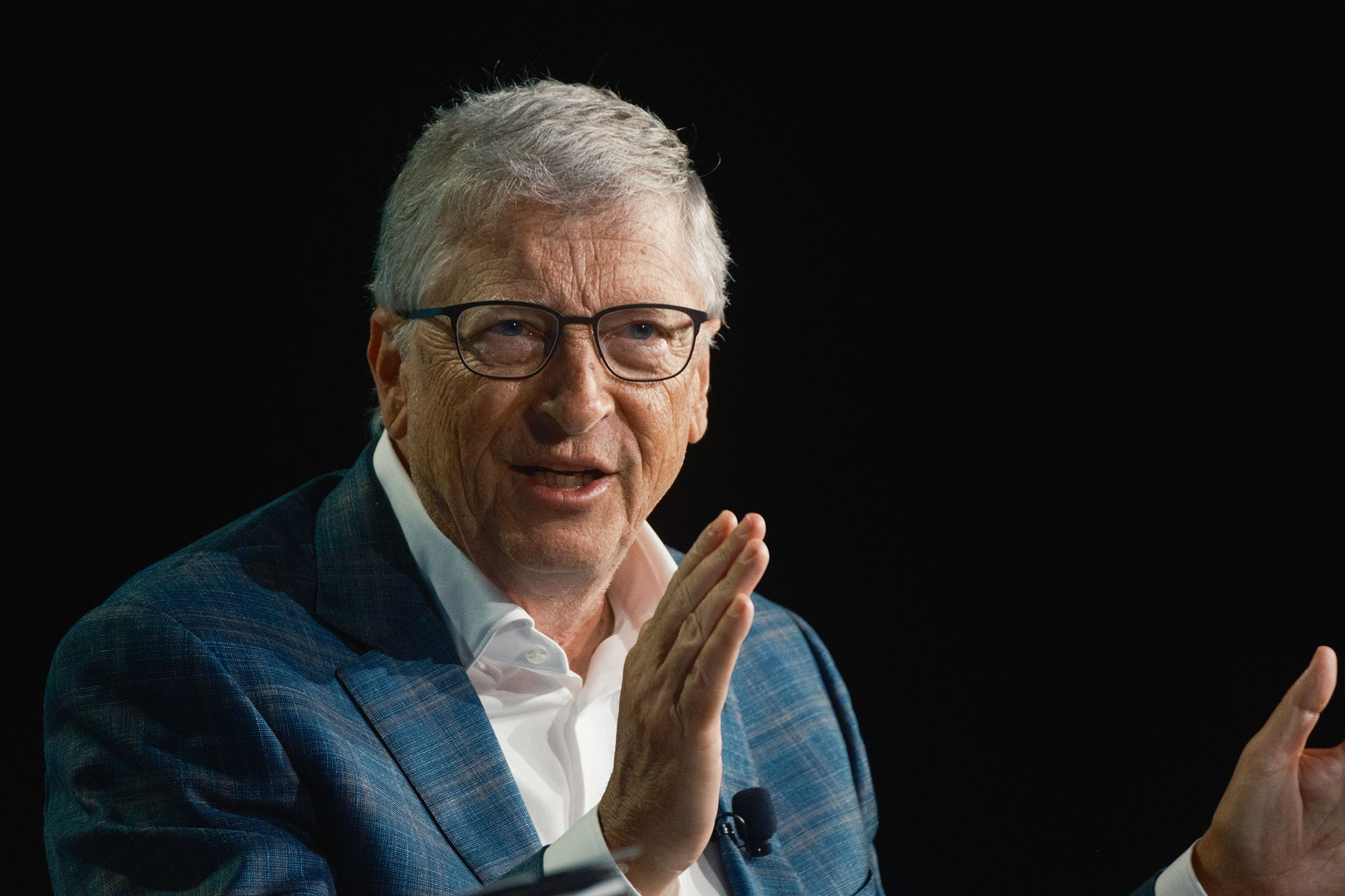
Can Bill Gates Still Be Trusted on the AI Stage- The announcement that Bill Gates will attend the India AI Summit has triggered more than routine buzz. While officials have been quick to dismiss speculation around his earlier no-show in Delhi, the larger question unfolding in public discourse is not about scheduling—it is about credibility, accountability, and the unresolved shadows of power that continue to trail some global icons.
Gates remains one of the most influential figures in global technology and philanthropy, with deep investments in artificial intelligence, global health, and education. His India visit is being positioned as a forward-looking engagement, focused on AI governance, innovation partnerships, and digital public infrastructure. Yet, the timing of this renewed visibility comes amid lingering global unease over names that surfaced in connection with the late financier Jeffrey Epstein, whose criminal network exposed uncomfortable links between wealth, influence, and impunity.
The Credibility Question That Won’t Fade
It is a matter of public record that Bill Gates met Epstein on multiple occasions after Epstein’s 2008 conviction. Gates himself has acknowledged these meetings and has described them as a “mistake,” stating they were related to philanthropic discussions and yielded no benefit.
However, in an era shaped by transparency demands and social accountability, proximity alone has consequences. The so-called “Epstein files,” court documents, and testimonies have not just implicated individuals legally; they have eroded moral authority across elite circles. For many observers, credibility today is no longer defined solely by court verdicts, but by judgment, ethics, and the company one keeps.
This is the context in which Gates’ participation in high-profile global forums is being scrutinised.
Also Read: https://newshashtag.com/the-sovereignty-of-silicon/
India AI Summit: Optics vs Substance
Indian officials and summit organisers have dismissed speculation around Gates’ earlier absence from a Delhi event as logistical noise, emphasising that his engagement with India remains strong. On paper, the India AI Summit aligns with Gates’ long-standing advocacy for responsible technology and inclusive innovation—areas where India is rapidly emerging as a global laboratory.
Yet optics matter. India, with its young demographic and democratic institutions, is increasingly sensitive to global power asymmetries. When global figures with contested public reputations are elevated as thought leaders, it raises an uncomfortable question: are we interrogating ideas deeply enough, or are we still over-invested in personalities?
Philanthropy, Power, and the Trust Deficit
Gates’ philanthropic work through the Bill & Melinda Gates Foundation has undeniably shaped global health policy, including in India. At the same time, critics argue that large-scale philanthropy itself operates with limited democratic oversight, often blurring the line between public good and private influence.
The Epstein association has amplified this critique. It has reinforced concerns that elite networks operate beyond conventional accountability, and that apologies—however sincere—do not automatically restore public trust.
The Larger Moment for India
For India, the moment is pivotal. As the country positions itself as a global AI governance leader, it must decide not just who is invited to the table, but what values the table represents. Engaging with global figures is essential, but so is asserting ethical clarity.
Bill Gates’ presence at the India AI Summit may contribute valuable insights on technology and development. But the discomfort surrounding his credibility underscores a deeper global shift: reverence is being replaced by scrutiny, and influence now demands moral consistency, not just intellectual capital.
The debate is not about cancelling individuals—it is about recalibrating trust in an age where information is abundant, memory is long, and power is no longer immune from public judgment.
Also Read: https://newshashtag.com/the-sovereignty-of-silicon/
Prabha Gupta is a veteran journalist and civic thinker dedicated to the constitutional ideals of dignity and institutional ethics. With over thirty years of experience in public communication, her work serves as a bridge between India’s civil society and its democratic institutions. She is a prominent voice on the evolution of Indian citizenship, advocating for a national discourse rooted in integrity and the empowerment of the common citizen