





Cyclone Ditwah: India Evacuates 400 at Colombo Airport
Flight Operations Collapse as Cyclone Hits Colombo
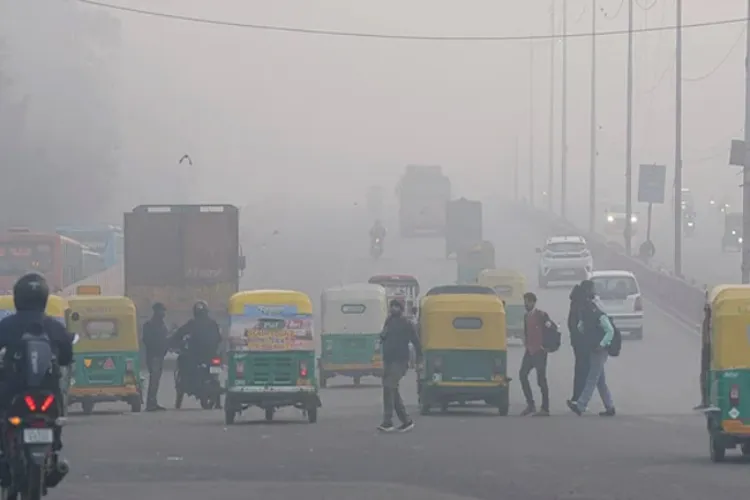
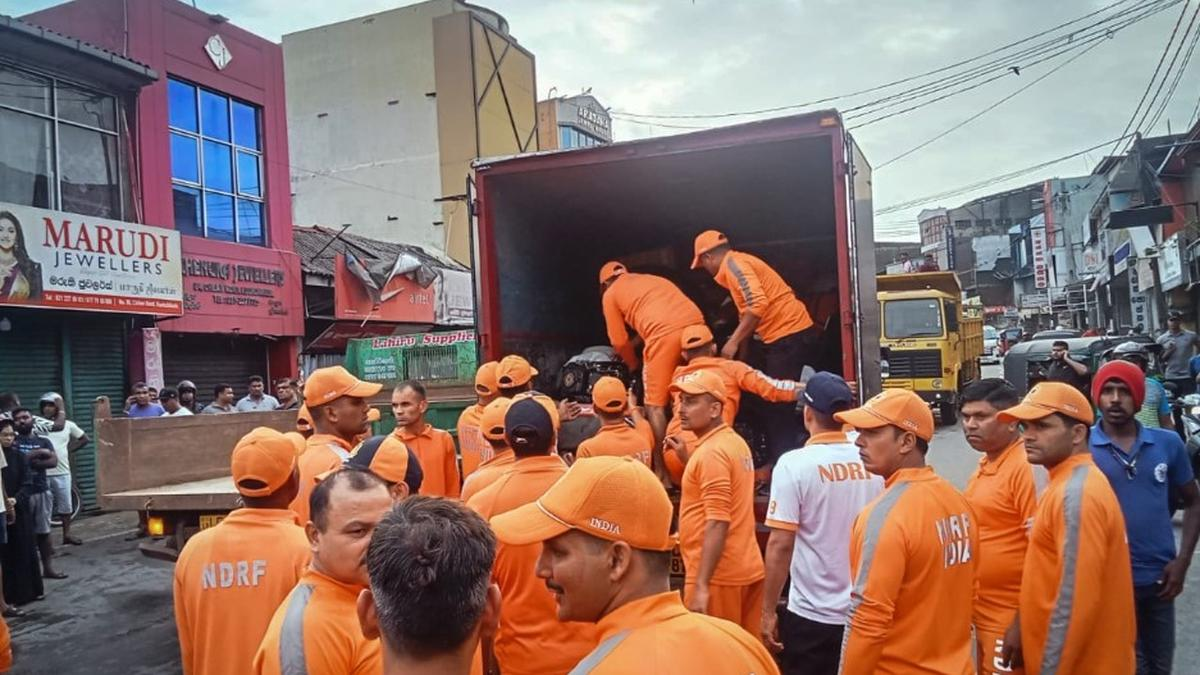
Cyclone Ditwah slammed into Sri Lanka with fierce winds and sharp rainfall. The storm disrupted flights at Colombo’s Bandaranaike International Airport. Hundreds of travellers waited inside the crowded terminal as the weather worsened. Many Indians had no place to go because roads outside remained unsafe. Officials acted quickly and moved almost 400 Indian nationals out of the airport. They used buses to shift the group to safer shelters before nightfall. Relief teams kept close contact with Indian authorities to manage the growing panic.
Why Cyclone Ditwah Caused Such Heavy Disruption
The storm grew stronger than early forecasts suggested. Its sharp windbands hit Colombo’s coastline directly. The pressure drop created sudden surges of rain, which flooded access roads near the airport. Airlines halted departures because visibility dropped to unsafe levels. Meteorologists say climate instability now makes such sudden escalations more common. Sri Lanka’s disaster teams struggled because the storm damaged local power lines. Airport staff worked with limited backup systems and relied on manual coordination to guide stranded passengers.
How India and Sri Lanka Managed the Crisis
Both governments moved fast once the situation turned critical. India’s High Commission sent officers to the airport to guide stranded citizens. They checked passenger lists, coordinated buses, and arranged temporary accommodation. Sri Lankan police blocked risky routes and cleared alternate corridors for evacuation. Airline staff assisted elderly passengers and ensured medical cases moved first. By late evening, all 400 Indians reached safe shelters. Authorities then began restoring airport operations step by step.
What the Evacuation Means for Future Storm Management
Cyclone Ditwah offers a clear warning about South Asia’s storm readiness. Airports along coastal regions need stronger backup systems and faster alert networks. Meteorologists say governments must update their crisis playbooks because extreme weather is growing more frequent. India and Sri Lanka will now review how they can coordinate more smoothly, especially during peak travel seasons. The quick evacuation saved lives, but the event exposed gaps in infrastructure and weather planning. Stronger systems can reduce panic and shorten recovery time during the next major storm.

NewsHasghag operates a 24/7 news bureau that tracks the real-time, social media-driven stories from India and around the world, keeping you ahead of the day’s key talking points. Our digital-first approach transforms storytelling through the seamless integration of data, interactive charts, video, and audio into every narrative