





Why Kiran Bedi Wants Air Purifiers Banned in Govt Offices: A Wake-Up Call for Delhi’s Air Crisis
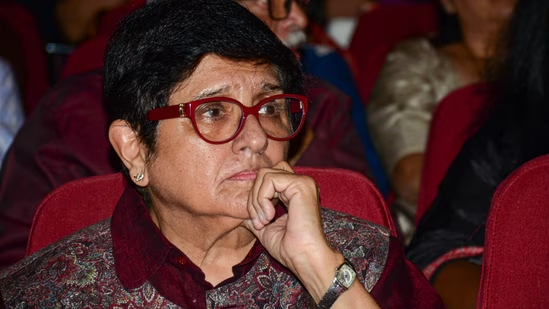
Former Delhi Lieutenant Governor Kiran Bedi has reignited the national conversation around Delhi’s toxic air after urging Prime Minister Narendra Modi to ban air purifiers inside government offices. Her sharply worded X post argues that policymakers must “breathe the same air citizens breathe” if they want to understand the severity of Delhi’s pollution nightmare. The appeal comes at a time when the capital’s AQI is again hovering between 400 and 500, a level considered hazardous even for healthy individuals.
The Trigger: Delhi Breathes Poison, But Power Corridors Stay Protected
Every winter, Delhi sinks into a familiar grey haze. Schools shut down, doctors issue warnings, traffic restrictions return, and images of smog-covered monuments flood social media. Yet inside government buildings, powerful air-purifying systems hum quietly, shielding policymakers from the very crisis they are meant to solve.
Bedi’s message highlights this contradiction. She questioned how leadership can feel urgency when its own environment remains insulated. Her X post—now widely shared—points out that clean, filtered air inside official offices creates a psychological distance from the city’s actual condition.
Meanwhile, the reasons behind the crisis remain unchanged:
- Stubble burning spikes across northern India
- Vehicular emissions keep rising
- Construction dust remains poorly regulated
- Industrial smoke continues unchecked
- Waste burning persists across municipal limits
Despite committees and seasonal emergency measures, the political system shows little appetite for the deep reforms that clean air requires. Bedi’s criticism taps directly into this fatigue—Delhi has heard promises for a decade, yet the air worsens every year.
Solutions That Actually Work
To break this cycle, the city needs long-term policies, not winter panic. Countries that successfully reversed air pollution offer a clear blueprint.
The United States created the Environmental Protection Agency (EPA), which enforces nationwide standards and makes coordinated action mandatory. Delhi and its neighbouring states need a similar unified authority with real power.
London and Singapore transformed their air quality by expanding public transport, pushing electric mobility, and restricting private car use. Delhi’s electric bus rollout is a step forward, but far too slow for a city of its size.
Tokyo and Paris controlled dust and industrial emissions through strict monitoring technology and heavy penalties. Delhi’s construction sector still lacks consistent oversight.
China reduced stubble-burning pollution by subsidising machinery, offering alternatives, and enforcing bans. Delhi needs the same mix of incentives and regulation—not just blame games between states.
Seoul improved its air by phasing out coal, regulating waste burning, and modernising industries. Similar transitions are possible in NCR, but require political will and funding.
These examples show that disciplined governance, not short-term bans, delivers breathable skies.
Bedi’s demand to remove air purifiers may be symbolic, but it delivers a stark message: as long as leaders remain protected from the crisis, the urgency to fix Delhi’s air will remain weak. Shared air may be the first step toward shared responsibility.

Prerna Varshney is a journalist and social commentator with over five years of experience in health, gender, and policy reporting. Her work reflects a deep commitment to truth and empathy, simplifying complex issues for everyday readers.