





Redefining Sustainable Water Solutions
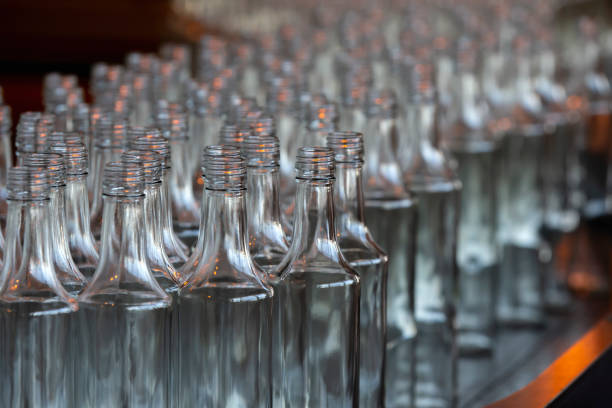
If you ask for water in a upmarket hotel today, you are likely to be served a sleek glass bottle rather than a disposable PET one. The hospitality industry is slowly but steadily recognising how harmful single-use plastic bottles are. This awareness is now being shaped by sustainable solutions provided by CDI technology which provides healthier and more sustainable drinking.
The single-use plastic—particularly PET water bottles—remains one of the most visible and damaging environmental challenges. In fact, sometime back Prime Minister Narendra Modi had given a clarion call to do away with the single-use plastics. Which has resonated with the hospitality industry. The impact of single-use plastic is damaging the environment like no other. From landfills to oceans, discarded plastic bottles have become a persistent threat to the environment, marine life, and human health.
Traditionally, hotels rely on PET bottles due to low unit costs and logistical convenience. Since the alternative — switching to glass bottles, was commercially unviable due to high upfront costs and hygiene concerns. But not anymore.
Capacitive Deionisation or CDI technology is addressing this challenge. It is uptick on scale, environment and commercially viability. With a few companies in India have been addressing this issue in the recent years, the momentum to do away with PET bottles has gained momentum. Companies like PBP EcoAqua has been providing solution to this by developing in-house, on-premise water treatment and glass bottling systems. These systems treat raw water to meet BIS, ISO, and FSSAI standards. Since these glass bottle can be easily washed and reused, the per-use cost comes down less than plastic bottles These bottling systems ensure hygiene, safety, and regulatory compliance at every step.
Capacitive Deionisation (CDI) is an emerging water-purification technology that removes dissolved salts and charged contaminants from water using electrochemical principles rather than heat or high pressure. In a CDI system, water is passed between two porous carbon electrodes. When a low voltage is applied, positively charged ions (like sodium, calcium, and heavy metals) migrate toward the negatively charged electrode, while negatively charged ions (like chloride, nitrate, and fluoride) move toward the positively charged one. These ions are held on the electrode surfaces effectively extracting salts from the water without using membranes or chemical additives. Because CDI operates at low voltages and avoids high-pressure pumping, it consumes significantly less energy than reverse osmosis for low-to-moderate salinity water, making it cost-effective and environmentally friendly solution for drinking water, industrial reuse, and groundwater desalination, especially in water-stressed regions.
“The CDI is the future of water purification. It is increasingly being accepted by the hospitality sector in a big way and reflects the collective commitment of stakeholder who has chosen a more responsible path,” said P. B. Prasad, Founder & CEO, PBP EcoAqua. “Our goal is clear—to accelerate the shift away from single-use plastics and build a cleaner, more sustainable future. And this is only the beginning.”
To date, PBP EcoAqua has produced over 52 million reusable glass water bottles, enabling hotels and businesses to transition away from single-use plastic. This shift has led to the elimination of approximately 1.3 million kilograms of plastic waste that would otherwise have ended up in landfills or oceans. Beyond waste reduction, the company’s sustainability initiatives have delivered tangible climate benefits. Through carbon offset contributions, the impact is equivalent to more than three lakhs trees planted in during its operations, while its energy-efficient ecosystem has helped avoid 7.8 million kilograms of CO₂ emissions. CDI technology, Rejects only 10–15 per cent of water, compared to up to 50 per cent wastage in RO and Uses one-tenth the energy required by RO systems. It retains beneficial minerals while removing harmful contaminants intelligently. This innovation significantly improves both environmental performance and water quality. The CDI machines are being designed and manufactured in Chennai, making the solution entirely ‘Made in India.’
Today, around 450–500 hotels in the country have adopted CDI technology with PBP EcoAqua operates in over 109 hotels across India. This is yet another case of ‘think local, act Global as India is now in a position to export this technology to other countries. From eliminating millions of plastic bottles to setting new benchmarks in water treatment, India is slowly but surely adopting clean technology with the vision of the Prime Minister that is rapidly going global.

Gyaneshwar brings more than three decades of distinguished journalistic experience to the team. He has contributed significantly to both print and electronic media and directed several documentary films. For over 35 years, he has held key editorial roles in newspapers and TV channels, including The Pioneer and JAIN TV. Known for his balanced perspective and in-depth analysis, he brings leadership and expertise, and ensures accuracy, relevance, and clarity in every story.