




Toll From US–Israel Strikes on Iran Rises to 787
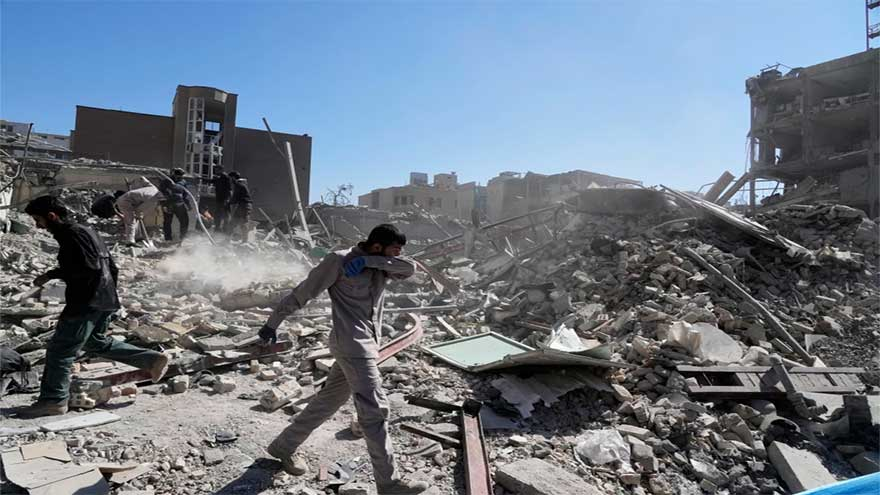
The death toll from the ongoing military confrontation involving the United States, Israel, and Iran has climbed to at least 787, according to updated figures released by the Iranian Red Crescent Society. The humanitarian agency had earlier placed the number of fatalities at 555 but revised the toll significantly upward as emergency teams continued rescue and recovery operations across multiple provinces.
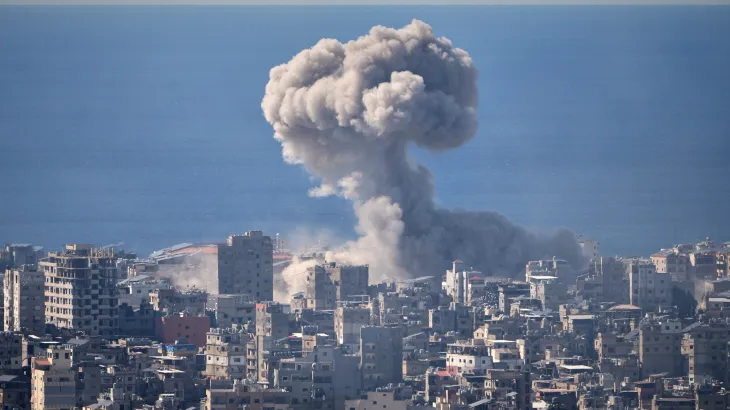
Over the course of four days, the strikes have reportedly affected 153 cities and more than 500 individual sites throughout Iran. Officials say that more than 1,000 separate attacks have been carried out, underscoring the breadth and intensity of the military campaign. Analysts describe the scale of the offensive as one of the most extensive in the region in recent memory, both in geographic reach and operational frequency.
The conflict began when Israel and the United States initiated what they characterized as a coordinated effort to weaken Iran’s military infrastructure and strategic capabilities. The operation, according to their official statements, was aimed at neutralizing perceived threats related to Iran’s defence systems and its nuclear programme. Tehran, however, condemned the strikes as unprovoked aggression and swiftly launched retaliatory missile and drone attacks against Israeli territory and American military installations across West Asia.
Escalation Following Leadership Assassination
Tensions intensified dramatically after reports confirmed the killing of Iran’s Supreme Leader, Ali Khamenei, during the initial phase of the strikes. His death marked a turning point in the conflict, triggering strong reactions within Iran and across the broader region. Iranian authorities vowed severe retaliation, framing the incident as a direct assault on the country’s sovereignty and political leadership.
In the aftermath, Iranian forces expanded their retaliatory campaign, targeting Israeli cities and US-linked facilities in Gulf states. The widening scope of attacks has heightened fears of a broader regional war that could draw in additional actors. Diplomatic channels appear strained, and calls for restraint from international leaders have so far yielded limited progress toward de-escalation.
The Israel Defense Forces confirmed that it is conducting simultaneous strikes on military targets in Tehran and Beirut, indicating that the theatre of operations may extend beyond Iranian territory. Meanwhile, the United States military has stated that its forces across the region remain on high alert amid concerns of further retaliatory strikes.
Rising Military Casualties
The regional security environment has grown increasingly fragile. More than 13,000 American troops are currently stationed in Kuwait, one of several Gulf states hosting US forces. On Sunday, six US soldiers were killed in an Iranian missile strike on an American military base in Kuwait, according to reporting by the BBC. The United States Central Command initially reported three fatalities but later updated the number after additional casualties were confirmed.
US Defence Secretary Pete Hegseth stated that a “powerful weapon” penetrated air defence systems and struck a fortified tactical operations centre, illustrating the evolving nature of the military exchange. The incident has intensified concerns about the vulnerability of regional bases despite advanced defence measures.
Amid the escalating crisis, the Embassy of India in Tehran issued fresh advisories urging Indian nationals and students in Iran to remain vigilant and adhere strictly to official safety instructions. Several other countries are also reviewing evacuation and contingency plans.
Nuclear Sites and International Oversight
The conflict has reignited global anxiety surrounding Iran’s nuclear facilities. The International Atomic Energy Agency confirmed that entrance structures at the Natanz Nuclear Facility sustained damage during the strikes. However, the agency clarified that no radiological leakage was detected and that the underground enrichment plant itself did not suffer additional internal harm.
Natanz remains one of Iran’s key uranium-enrichment centres and has long been central to disputes over Tehran’s nuclear ambitions. Israel has repeatedly argued that Iran is nearing the capacity to produce nuclear weapons, a claim Iran firmly denies, insisting that its programme is intended for peaceful civilian energy purposes.
Prior to the outbreak of hostilities, Tehran had resumed negotiations with Washington amid heightened US military deployments near its coastline. Those diplomatic efforts now appear suspended as military operations continue on both sides.
With casualties rising, regional tensions deepening, and retaliatory strikes ongoing, prospects for an immediate ceasefire remain uncertain. Observers warn that without urgent diplomatic intervention, the crisis could spiral into a prolonged and destabilizing conflict with far-reaching humanitarian and geopolitical consequences.

NewsHasghag operates a 24/7 news bureau that tracks the real-time, social media-driven stories from India and around the world, keeping you ahead of the day’s key talking points. Our digital-first approach transforms storytelling through the seamless integration of data, interactive charts, video, and audio into every narrative