




Why Nita Ambani’s ₹500 Crore Necklace Story Matters
Why This Story Matters in Today’s India
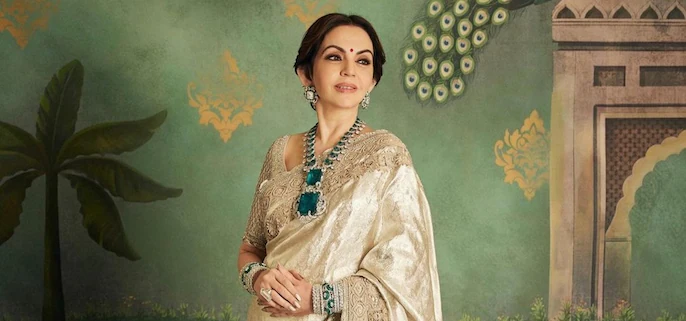
Times Now recently highlighted some of the most expensive Ambani jewels. Their list featured Nita Ambani’s ₹500 crore necklace and Anant Ambani’s ₹67.5 crore Richard Mille watch. These numbers travelled quickly across social media. Many readers reacted with shock. The prices felt unreal to people who struggle every month.
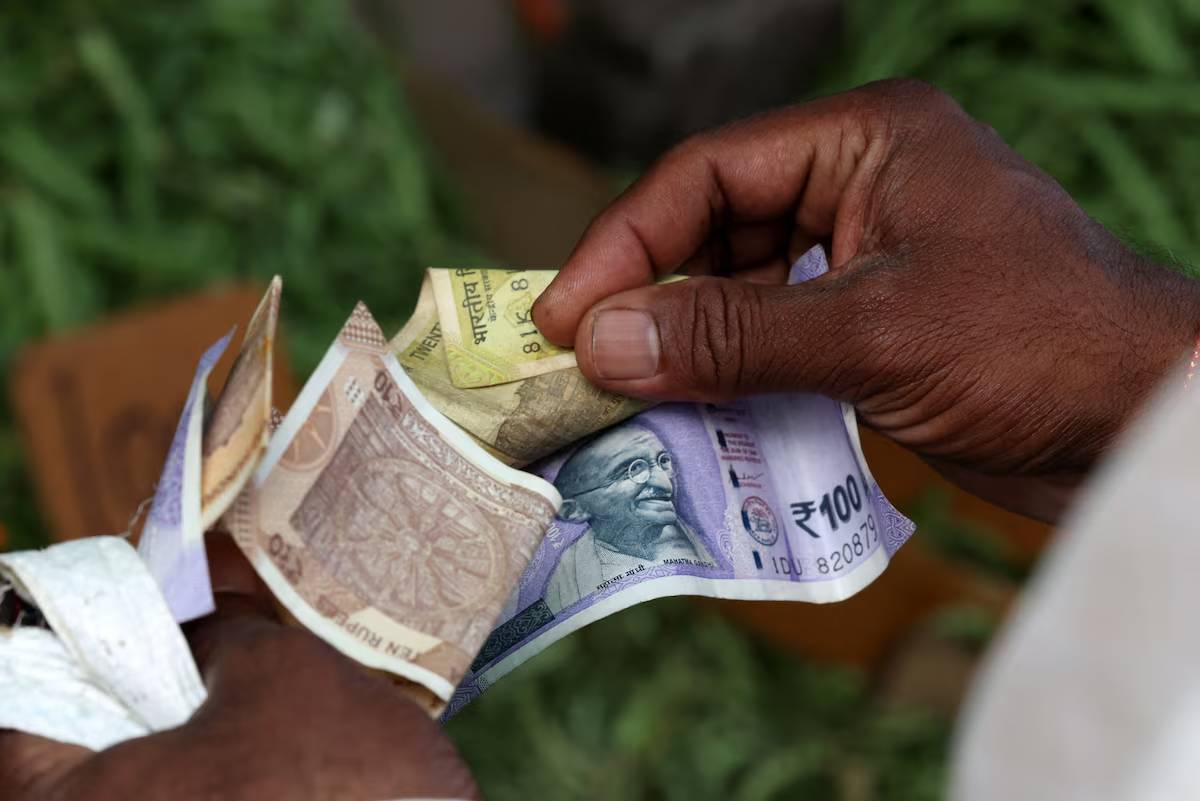
India remains a country of stark contrasts. Over 80 crore Indians depend on government food support. Millions work in informal jobs. Many families earn only ₹10,000–₹15,000 a month. Some survive on less than ₹200 a day. They deal with rising rent, school fees, and medical bills. For them, a ₹1 crore item is unimaginable. A ₹500 crore necklace feels like another world.
This article matters because it highlights that contrast. It shows how wealth gaps shape public reactions. Luxury stories attract attention. But they also open questions about fairness, aspiration, and inequality. The Ambanis live in a different economic reality. Their lifestyle represents global billionaire culture. Yet their stories circulate in a country where basic savings remain rare.
Nita Ambani’s necklace reportedly uses rare diamonds. Jewellers say it features custom stones and unique craftsmanship. The necklace alone can fund entire housing projects. It can build multiple schools or hospitals. That comparison shocks the average Indian reader. They see the price and compare it with their lifetime earnings.
Anant Ambani’s ₹67.5 crore watch adds to this conversation. The watch belongs to a very rare collection. It uses sapphire crystal and advanced engineering. Only a few exist in the world. Its price equals luxury flats in South Mumbai. For most families, owning a home is still a distant dream. So a watch worth more than a house feels hard to understand.
Who This Story Speaks To
This story speaks to people who live with modest incomes. It speaks to students, office workers, daily-wage labourers, and small business owners. They read these headlines and wonder why such extreme luxury exists beside daily hardship. The article also speaks to readers who want to understand India’s shifting wealth patterns. Billionaire families shape business, entertainment, and politics. Therefore, their lifestyles always attract public interest.
People follow Ambani stories for many reasons. Some see them as symbols of success. Others criticise the excess. Many simply enjoy the spectacle. Luxury fascinates. It also distracts people from their struggles. The internet circulates these stories because they create awe and debate.
Yet the context matters. India’s economy grows fast. But wealth remains unevenly distributed. A small group controls a huge share of national wealth. Many others live with financial insecurity. This gap fuels curiosity and criticism. When people read about a ₹500 crore necklace, they do not just see jewellery. They see the distance between their life and the life of the ultra-rich.
These stories are not about envy alone. They reflect how a society views money, progress, and aspiration. They show what people admire and what they question. Extreme wealth always creates conversation. It raises issues of class, opportunity, and privilege. In India, where dreams and difficulties exist together, such stories gain even more attention.
Ambani luxury stories travel far because they highlight India’s economic divide. They also entertain and fascinate. They reveal how modern India sees success and inequality. For many readers, these prices feel unreal. Yet they help us understand the two Indias that coexist—one struggling and one soaring. That is why this story matters today.

Prerna Varshney is a journalist and social commentator with over five years of experience in health, gender, and policy reporting. Her work reflects a deep commitment to truth and empathy, simplifying complex issues for everyday readers.