




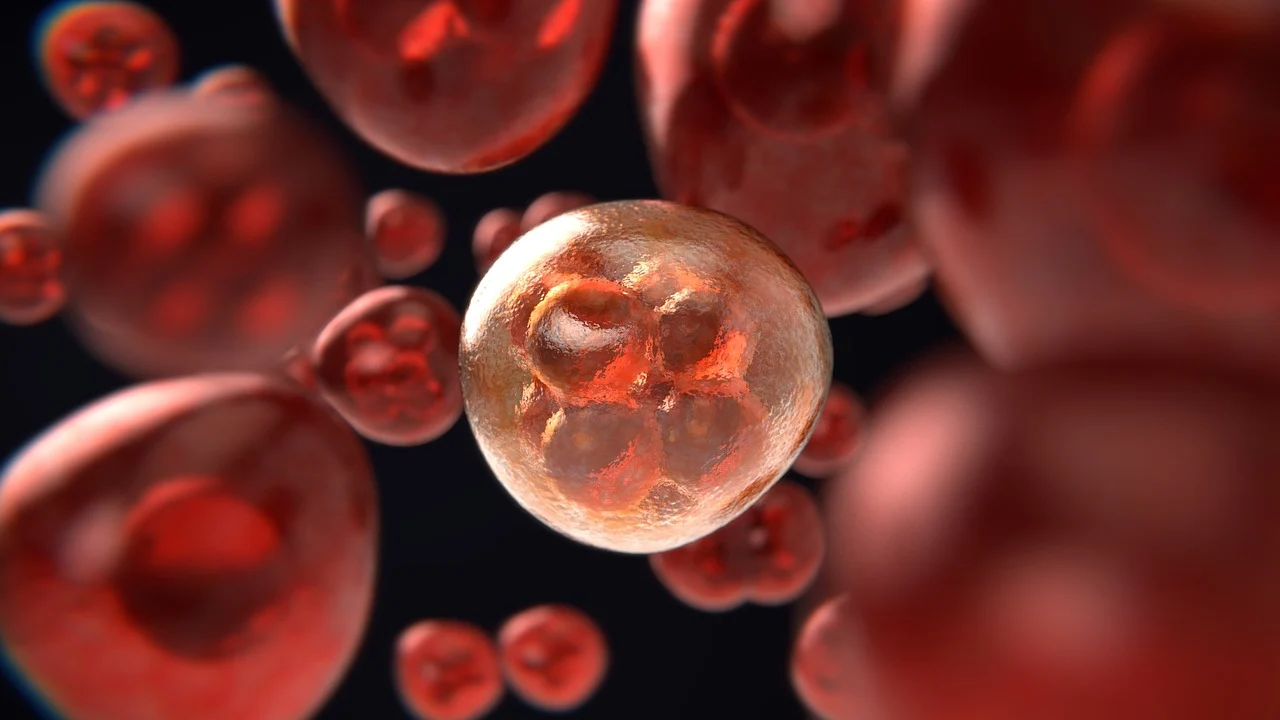
Why We celebrate World Cancer Day Every Year ?
Why we celebrate World Cancer Day every year while awareness grows, Yet Cancer Cases Rise. Every year on February 4, the world pauses to observe World Cancer Day, reaffirming commitments to awareness, prevention, early detection and equitable care. Governments issue statements, institutions host conferences, social media fills with hashtags, survivor stories and pink or lavender ribbons.
Yet the uncomfortable truth remains: global cancer cases continue to rise year after year, cutting across age groups, geographies and income levels—even in an era of unprecedented technological advancement and information access.
This contradiction raises a critical question: If awareness is increasing, why is cancer not decreasing?
World Cancer Day : The Paradox of Awareness Without Outcomes
According to global health agencies, cancer incidence is growing faster than population growth in many regions. While improved diagnostics explain part of the increase, experts increasingly acknowledge that awareness alone has failed to translate into meaningful prevention.
As one senior oncologist bluntly remarked during a recent global oncology forum,
“We have become very good at naming cancer early—but not at stopping it from happening.”
World Cancer Day campaigns largely focus on detection and treatment, not on the deeper systemic and lifestyle drivers of disease. Information exists—but action, regulation and behavioural change lag far behind.
Technology Has Informed Us—But It Has Also Exposed Us
Ironically, the same technological progress that enables early diagnosis has also contributed to rising cancer risks. Increased exposure to processed foods, microplastics, endocrine-disrupting chemicals, air pollution, radiation, sedentary lifestyles and chronic stress has become normalised in modern life.
A public health researcher from South Asia noted,
“We live longer, yes—but we also live more toxically. Cancer is increasingly the cost of modern convenience.”
Despite widespread digital literacy, health information competes with misinformation, commercial interests and algorithm-driven consumption patterns. Knowing what is harmful does not automatically translate into avoiding it—especially when economic systems reward unhealthy choices.
Early Detection Is Not Prevention
Much of the global cancer narrative celebrates screening programs and technological breakthroughs. While essential, early detection only shifts the timing of diagnosis—it does not reduce incidence.
As Dr. Olubukola Ayodele, a breast oncologist, pointed out in a recent address,
“If our data shows lower incidence but higher late-stage presentation, that is not success—it is invisibility.”
In many regions, cancers are still detected late due to poor access, cultural stigma, or weak primary healthcare. In others, cancers are detected early but continue to emerge because root causes remain unaddressed.
Lifestyle Warnings Without Structural Support
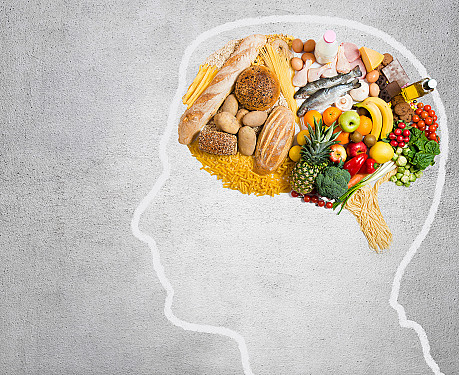
Public messaging often places responsibility squarely on individuals: stop smoking, eat better, exercise more, manage stress. While valid, this framing ignores structural realities.
Healthy food is expensive. Clean air is unequal. Stress is systemic. Work cultures glorify burnout. Urban planning discourages movement. Chemical exposure is rarely a personal choice.
A policy expert at a global health summit observed,
“We tell people to live healthier lives while surrounding them with environments that make health almost impossible.”
World Cancer Day rarely confronts this contradiction directly.
The Missing Conversation: Mental and Emotional Health
Despite growing research linking chronic stress, trauma and emotional suppression to immune dysfunction, mental health remains peripheral in cancer prevention strategies.
Awareness campaigns speak the language of science, but healing is also psychological. Fear-based messaging may increase screening but does little to reduce long-term vulnerability.
Positive thinking is often dismissed as “unscientific,” yet resilience, social connection and emotional well-being are increasingly recognised as protective factors—not cures, but buffers.
Data, Inequality and the Illusion of Progress
High-income countries collect vast amounts of cancer data, yet outcomes for marginalised populations remain poor. Low- and middle-income countries struggle with under-reporting, making the burden appear smaller than it is.
As one global health official noted,
“What we do not count, we do not prioritise. And what we do not prioritise, continues to grow.”
World Cancer Day speaks of unity, but cancer risk and care remain deeply unequal.
Beyond Symbolism
The rise in cancer cases is not a failure of awareness—it is a failure of translation. Translation of knowledge into policy. Of science into regulation. Of concern into courage.
Until World Cancer Day shifts from symbolic solidarity to hard conversations about food systems, environmental regulation, work culture, inequality and mental health, the gap between awareness and reality will persist.
Cancer is not increasing because people are ignorant.
It is increasing because modern life is structurally unhealthy—and we are reluctant to change it.
Awareness is necessary
But without accountability, prevention and systemic reform, it remains a well-intentioned ritual—observed once a year, while the numbers quietly rise.
Prabha Gupta is a veteran journalist and civic thinker dedicated to the constitutional ideals of dignity and institutional ethics. With over thirty years of experience in public communication, her work serves as a bridge between India’s civil society and its democratic institutions. She is a prominent voice on the evolution of Indian citizenship, advocating for a national discourse rooted in integrity and the empowerment of the common citizen