




You cannot “UPI” a glass of water
In the glass-walled boardrooms of Mumbai and the high-density tech corridors of Bengaluru, the Indian narrative is one of relentless kinetic energy. Policymakers and market analysts point to the “demographic dividend” a median age of under 30as the primary engine of a projected $7 trillion economy. Yet, as the youth move toward these neon-lit “Cities of Dreams,” they leave behind a profound and widening shadow. While the urban centers roar with the noise of progress, rural India is settling into a “Village of Silence.”
The Economic Survey 2025-26 presents a striking paradox: rural India is receiving record-high domestic and international remittances, yet the quality of life for the elderly is in a precipitous tailspin. We have successfully replaced physical presence with digital transfers. But in the dusty lanes of a village in eastern Uttar Pradesh or a hamlet in interior Odisha, the limits of fintech are starkly visible. You cannot “UPI” a glass of water to a bedridden octogenarian, nor can a WhatsApp call provide the physical security of a family member in the next room.
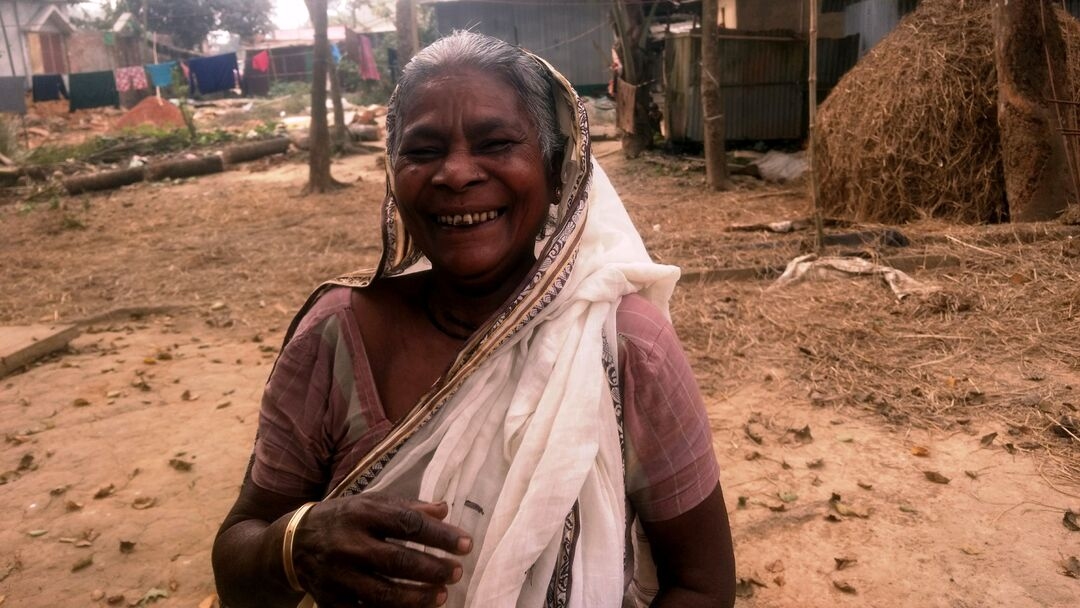
According to recent data, nearly 71% of India’s elderly reside in rural areas. We are witnessing the “feminization of aging,” where the typical rural resident is a widow living alone, having outlived her partner, her savings, and her social ecosystem. In our rush to become a “Digital First” nation, we have inadvertently built a wall of exclusion. From Aadhaar-linked pensions to Ayushman Bharat’s digital health records, the infrastructure of 2026 assumes a level of tech-literacy that many seniors simply do not possess. When a thumbprint fails at a ration shop or a smartphone screen becomes a blurry maze of English text, a citizen is effectively disenfranchised by the very technology designed to empower them.

The migration of the young is an economic necessity, but the abandonment of the old is a civic failure. To solve this, India must stop viewing the elderly as a “dependent burden” and start seeing them as a catalyst for a new “Rural Care Economy.”
This is where the next frontier of rural employment lies. To stop the exodus of youth, we must transform caregiving from a filial duty into a formal, paid profession. The government’s recent shift toward the VB-G RAM G (Viksit Bharat-Guarantee for Rozgar and Ajeevika Mission, Gramin) provides the perfect vehicle. By integrating “Care Components” into rural employment schemes, we can pay local youth to be Gram-Mitras—professional village companions skilled in basic geriatric care, physiotherapy, and digital liaisoning.
Global models offer a roadmap. Germany’s “Multi-Generation Houses” co-locate childcare and senior hubs, allowing the elderly to regain purpose as mentors. Japan’s “Community Integrated Care System” ensures that support is never more than a 30-minute radius from a senior’s home.
If India is to reach its “Viksit Bharat” goals, its local governance must evolve. Gram Panchayats must be reimagined as proactive “Care Hubs,” housing dedicated desks for telemedicine and pension navigation. Incentivizing startups to enter the “Silver Economy” could bring mobile health units directly to the village square, creating non-farm jobs that allow a young man to earn a dignified living without boarding a train to a distant city.
A nation’s progress is not measured solely by the height of its skyscrapers or the volume of its digital transactions, but by the dignity it affords its oldest citizens. It is time we bring this invisible crisis into the light, ensuring our “Smart Villages” are defined by compassion, not just connectivity.

Prabha Gupta is a veteran journalist and civic thinker dedicated to the constitutional ideals of dignity and institutional ethics. With over thirty years of experience in public communication, her work serves as a bridge between India’s civil society and its democratic institutions. She is a prominent voice on the evolution of Indian citizenship, advocating for a national discourse rooted in integrity and the empowerment of the common citizen