





Key Highlights
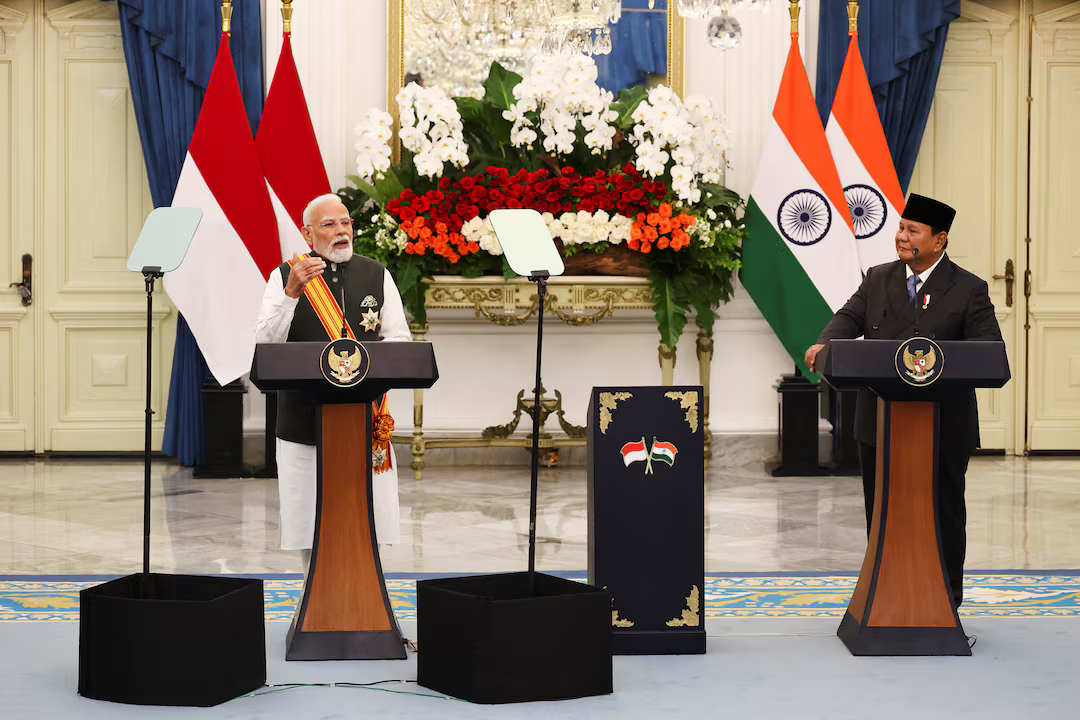
- Indonesia on Tuesday became the third Southeast Asian country to sign a deal with India to buy the BrahMos supersonic cruise missile system.
- India and Indonesia are strengthening maritime security cooperation in the Indo-Pacific.
- Both countries have also discussed expanding cooperation at Indonesia’s strategically located Sabang Port.
- The defence partnership reflects New Delhi’s growing role as a regional security provider and defence exporter.
India and Indonesia are poised to take their strategic partnership to a new level, with Jakarta expected to procure India’s indigenously developed BrahMos supersonic cruise missile and Astra beyond-visual-range air-to-air missile (BVRAAM). The proposed acquisitions underline India’s expanding footprint in the global defence export market while reinforcing Indonesia’s efforts to modernize its military capabilities amid evolving security challenges in the Indo-Pacific.
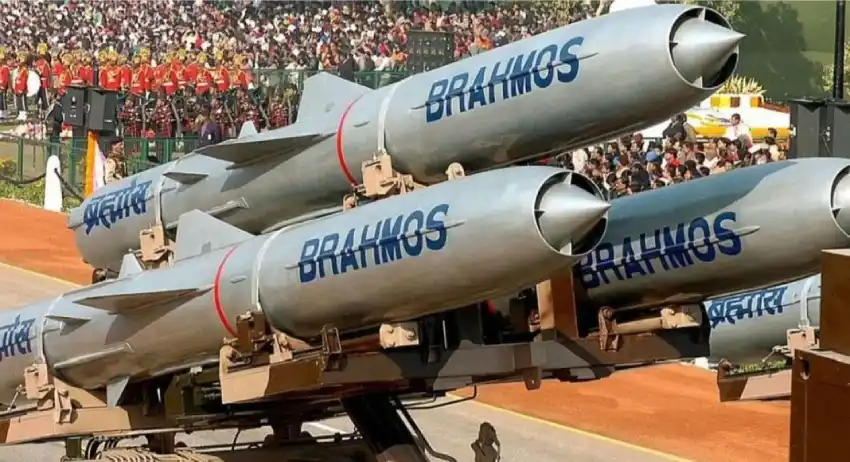
If finalized, Indonesia will become the third Southeast Asian country to acquire the BrahMos missile system, marking another significant achievement for India’s defence manufacturing sector under the government’s “Make in India” and defence export initiatives.
The development comes as New Delhi and Jakarta intensify military cooperation through high-level dialogues, joint naval exercises and enhanced maritime security collaboration.
Strategic Partnership Expands Beyond Defence
The proposed missile sales reflect a broader convergence of strategic interests between India and Indonesia, two major maritime democracies situated along critical sea lanes of the Indo-Pacific.
Indonesia occupies a pivotal geographical position near the Strait of Malacca, one of the world’s busiest shipping routes, while India has consistently sought stronger defence partnerships with ASEAN nations to ensure a free, open and rules-based Indo-Pacific region.
The BrahMos missile, jointly developed by India and Russia, has emerged as one of the world’s fastest operational supersonic cruise missiles, capable of engaging both land and naval targets with high precision. Its successful export has become a symbol of India’s growing defence manufacturing capabilities.
The Astra missile, developed by India’s Defence Research and Development Organisation (DRDO), significantly enhances air combat capability by enabling fighter aircraft to engage enemy aircraft beyond visual range. Indonesia’s reported interest in both missile systems indicates confidence in India’s indigenous defence technologies.
Beyond weapons procurement, both countries are expanding cooperation in intelligence sharing, maritime domain awareness, naval interoperability and defence training.
Sabang Port Gains Strategic Importance
Another important area of discussion between New Delhi and Jakarta is the development of Sabang Port, located near the entrance to the Strait of Malacca. The port occupies a strategically significant position overlooking one of the world’s busiest maritime trade corridors.
India has long viewed Sabang as an important logistics and maritime cooperation hub that could facilitate humanitarian assistance, disaster relief operations and naval cooperation without altering the region’s existing security balance.
Enhanced cooperation at Sabang would complement India’s broader maritime strategy under its Security and Growth for All in the Region (SAGAR) vision while supporting Indonesia’s objective of strengthening maritime infrastructure across its archipelago.
For Indonesia, closer defence cooperation with India offers an opportunity to diversify military procurement sources while reducing excessive dependence on traditional suppliers.
For India, expanding defence exports to Southeast Asia strengthens diplomatic engagement with ASEAN countries and showcases the country’s emergence as a reliable defence manufacturing partner.
The growing defence relationship also carries wider geopolitical significance as regional countries seek to improve deterrence capabilities amid increasing strategic competition in the Indo-Pacific. Rather than forming military alliances, India and Indonesia continue to emphasize strategic autonomy, mutual respect and cooperation based on shared interests.
As defence exports become a key pillar of India’s foreign policy and economic strategy, agreements involving advanced missile systems like BrahMos and Astra signal the country’s transition from a major arms importer to an increasingly influential defence exporter.
The proposed deals with Indonesia, coupled with deeper maritime cooperation and discussions on Sabang Port, represent another milestone in the steadily strengthening India-Indonesia strategic partnership and reflect the growing importance of indigenous defence technology in shaping regional security.

Prabha Gupta is a veteran journalist and civic thinker dedicated to the constitutional ideals of dignity and institutional ethics. With over thirty years of experience in public communication, her work serves as a bridge between India’s civil society and its democratic institutions. She is a prominent voice on the evolution of Indian citizenship, advocating for a national discourse rooted in integrity and the empowerment of the common citizen