

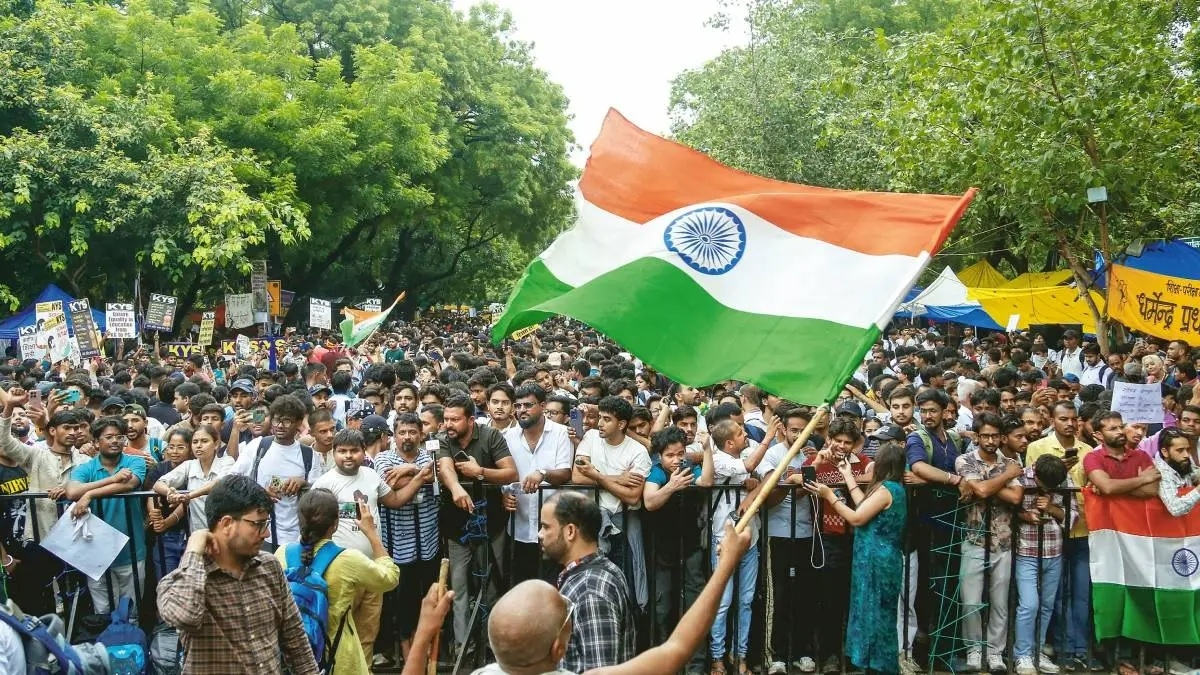
THIS IS Gen Z Bro !
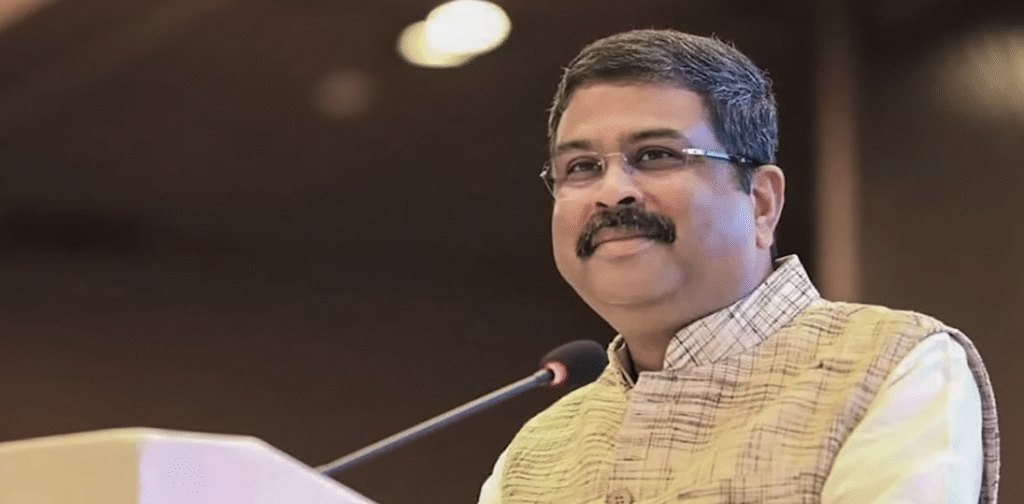
NEW DELHI Jantar Mantar— On Saturday evening, after 36 days of persistent agitation, tear gas, and high-tension negotiations, the streets around Jantar Mantar witnessed a rare sight in modern Indian politics: a complete retreat by the central government in the face of youth-led resistance. The resignation of Union Education Minister Dharmendra Pradhan over the NEET-UG paper leak controversy has been hailed across student networks as an unprecedented victory for India’s Gen Z, proving that organized civic movement can still hold the highest offices in the country accountable.
The Power of Youth Mobilization
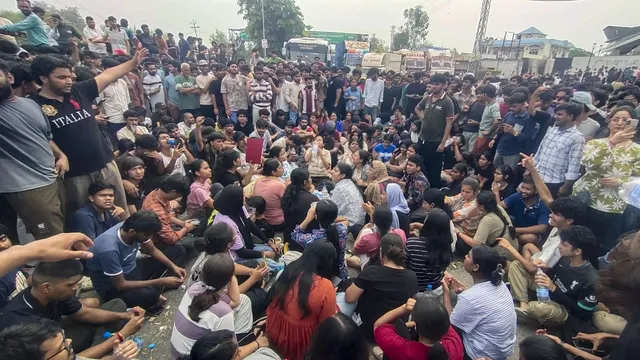
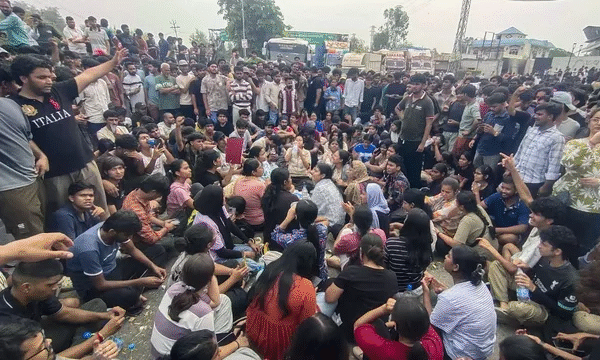
The movement, catalyzed by the youth-centric Cockroach Janta Party (CJP), transformed what began as a localized outcry over paper leak scandals into a nationwide campaign for institutional integrity. Thousands of young aspirants, supported by student organizations and digital activists, maintained a continuous presence near Parliament despite harsh weather conditions and aggressive police crackdowns.
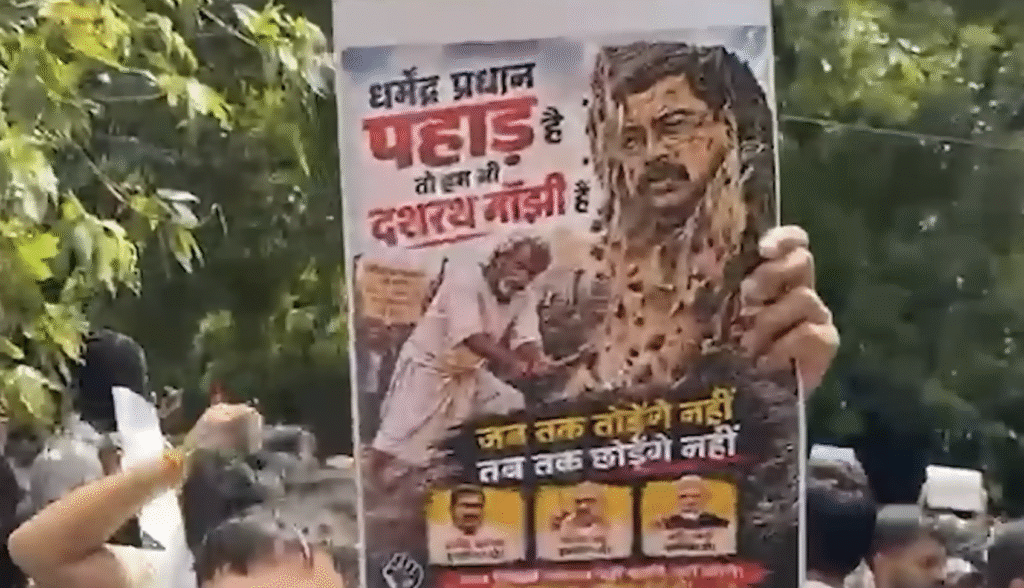
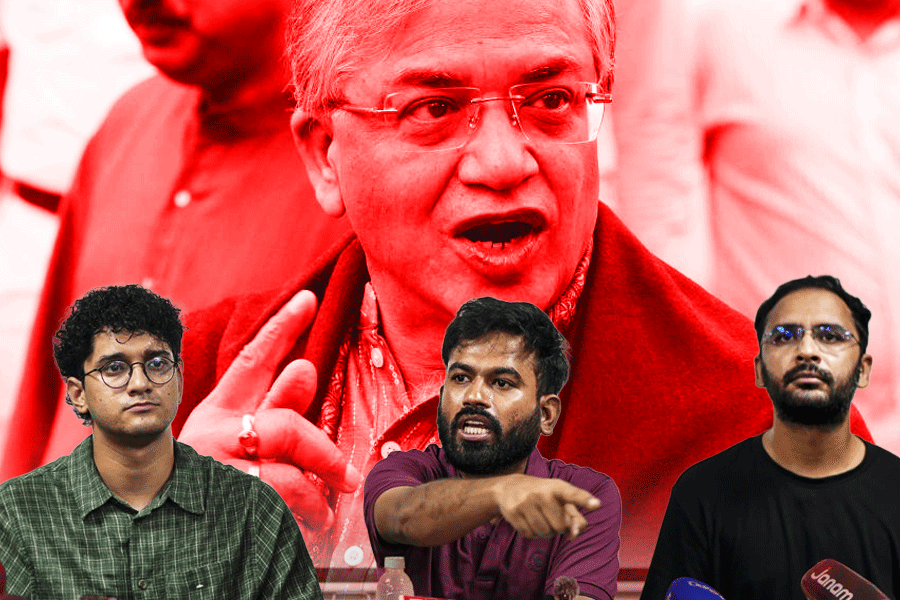
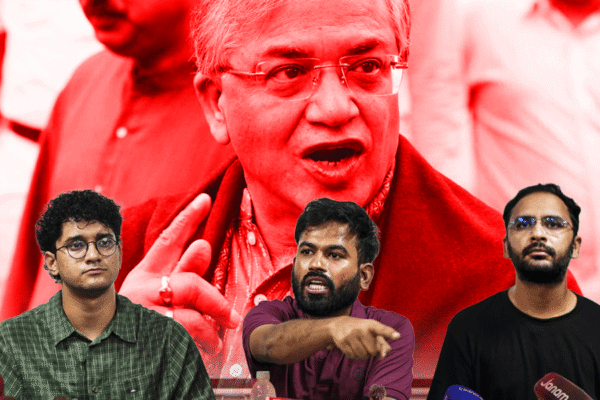
Reacting to the news of Pradhan’s resignation and the government’s acceptance of the CJP’s key demands, prominent activist and political commentator Abhijeet Dipke captured the sentiment sweeping across student communities:
“Don’t get afraid, it is a democracy,” Dipke stated, addressing the crowds and supporters online. “This is proof that when the youth stand united against injustice, even the most powerful administrations have to listen.”
For Gen Z—a generation often dismissed by mainstream political analysts as politically indifferent or hyper-fixated on digital screens—this victory marks a major turning point. By combining relentless ground activism with viral social media campaigns, young aspirants demonstrated a sophisticated ability to organize, control the public narrative, and force accountability on issues directly impacting their futures.
A Rare Concession in Modern Politics
The Centre’s acceptance of the CJP’s core demands—which, alongside the Education Minister’s exit, included the withdrawal of all police FIRs filed against peaceful student protesters, financial compensation for injured aspirants, and structural overhauls within the National Testing Agency (NTA)—represents a significant shift in political dynamics. Historically, the current ruling administration has maintained a firm stance during public protests, rarely bowing to demands for ministerial resignations.
However, the sheer demographic weight of millions of affected students and their families created a political force that could not be ignored. What began as an administrative grievance quickly evolved into a moral crisis regarding the reliability of national entrance examinations. Realizing that the prolonged standoff was eroding public trust among young voters, the government opted to concede to restore stability and signal its commitment to exam security.
The Road Ahead for India’s Student Movement
As student leaders at Jantar Mantar formally called off their hunger strike and celebrated the minister’s exit, the mood remained focused on long-term systemic reform. While the resignation provides immediate political satisfaction, student representatives emphasized that the struggle for educational fairness is far from over.
With Cabinet Minister Pralhad Joshi taking additional charge of the Ministry of Education, the focus now shifts toward enforcing strict anti-paper-leak legislation, transitioning toward secure examination infrastructure, and rebuilding faith in public testing bodies.
Nevertheless, the events of July 2026 will be remembered as a defining moment for India’s youth culture. In standing their ground against institutional failures and police intimidation, India’s Gen Z did not merely force a ministerial resignation—they reasserted the power of peaceful democratic protest in shaping the nation’s political landscape.

Prabha Gupta is a veteran journalist and civic thinker dedicated to the constitutional ideals of dignity and institutional ethics. With over thirty years of experience in public communication, her work serves as a bridge between India’s civil society and its democratic institutions. She is a prominent voice on the evolution of Indian citizenship, advocating for a national discourse rooted in integrity and the empowerment of the common citizen