

Sansad Chalo and the Politics of Sacrifice: Why Do Ordinary Families Bear the Cost While the Powerful Stay Away?
By NewsHashtag Editorial Desk
The “Sansad Chalo” march on July 20 has left behind more than headlines of clashes, barricades and injured students. It has also triggered an uncomfortable question that goes beyond politics and policing:
Who actually bears the cost of political movements?
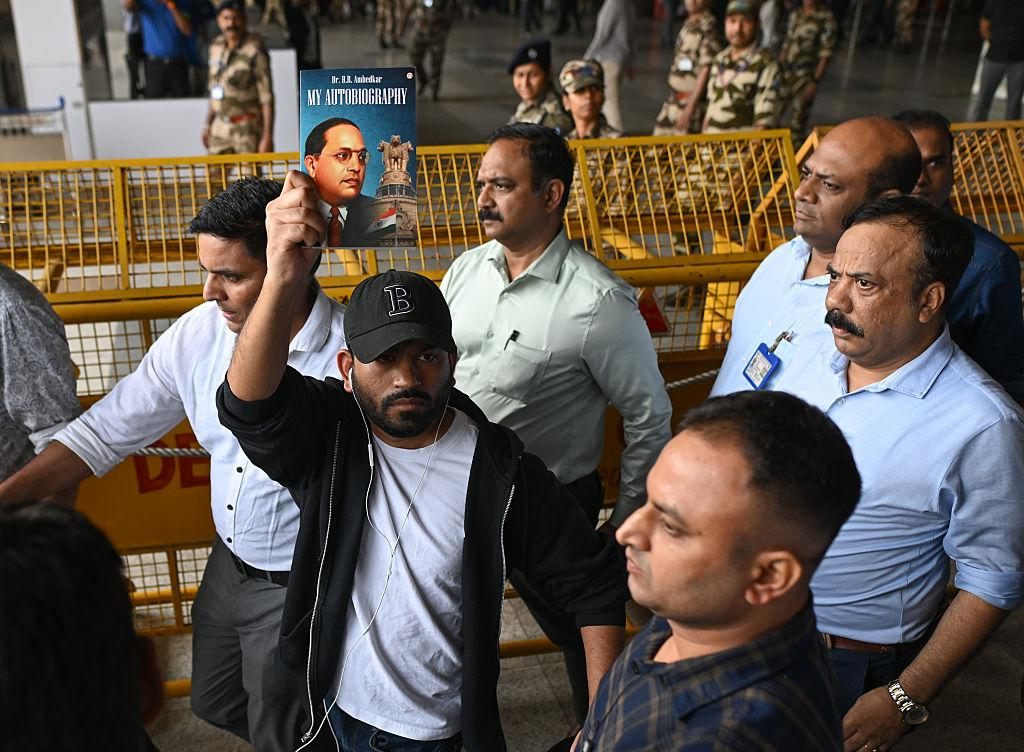
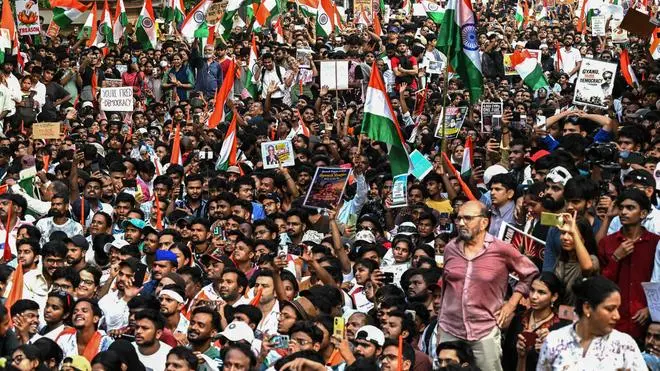
As images of injured students circulated across social media, many observers noticed something striking. The faces among the protesters were overwhelmingly those of ordinary young Indians—college students, first-generation learners and children of middle-class or economically weaker families. Missing from public view, however, were the sons and daughters of many prominent political leaders who had vocally supported the protest.
The observation has fueled a debate over whether India’s political culture expects sacrifice from ordinary citizens while the political elite remain insulated from the consequences.
It is important to acknowledge that the public absence of politicians’ children does not necessarily prove they did not support the cause. Many may have chosen not to participate, may have been elsewhere, or may simply not have been visible. Nevertheless, the perception itself has become part of the public conversation, raising larger questions about leadership and accountability.
History offers numerous examples where student movements became catalysts for political change. From the freedom struggle to the JP Movement and anti-corruption campaigns, young people have often stood at the forefront of public dissent. Yet history also reveals a recurring pattern: while students risk arrest, injury or academic disruption, established political leadership frequently remains protected by institutional privilege and security.
This disparity becomes particularly significant when protests turn violent.
When clashes erupt, it is rarely the children of ministers, Members of Parliament or influential political families who appear in hospital wards nursing injuries. More often, it is students from ordinary households who suffer physical harm, legal proceedings and interruptions to their education.
For parents, the consequences are deeply personal. A day’s protest can become months of medical treatment, court appearances or academic uncertainty. Families that have invested years of savings into their children’s education suddenly find themselves confronting risks they never anticipated.
The issue is not whether political leaders should expose their own families to danger. Every parent naturally seeks to protect their children. The deeper ethical question is whether leaders should encourage confrontational forms of protest without themselves—or their families—sharing comparable risks.
Leadership has always carried a moral dimension. Throughout history, leaders who stood alongside their followers during moments of hardship earned public trust not merely through speeches but through shared sacrifice. Conversely, movements risk losing moral credibility when those calling for action appear insulated from its consequences.
Political parties across the ideological spectrum face this challenge. Whether in government or opposition, all parties have relied on youth mobilization to amplify their message. Yet genuine participation requires more than mobilizing supporters; it also demands accountability for the outcomes when demonstrations escalate into violence.
Equally, responsibility does not rest solely with political organizations. The state has a constitutional obligation to facilitate peaceful assembly while maintaining public order. If excessive force is used, accountability must follow. If protesters engage in violence or attempt to breach restricted security zones, that too requires scrutiny under the law. Democratic accountability applies to every stakeholder.
Perhaps the most important lesson from the July 20 events is that students should never become expendable instruments in political contests. Young people have every right to participate in democratic movements, but they also deserve transparency about potential risks and assurances that peaceful protest will remain protected.
The debate sparked by “Sansad Chalo” is therefore larger than one march. It forces India to confront an enduring question: Should the burden of political confrontation continue to fall disproportionately on ordinary families while those with power remain largely shielded from its consequences?
The Barricade Divide: Why the Children of India’s Elite Are Absent from Street Protests
Smoke at Tolstoy Marg, Silence from the Dynasties
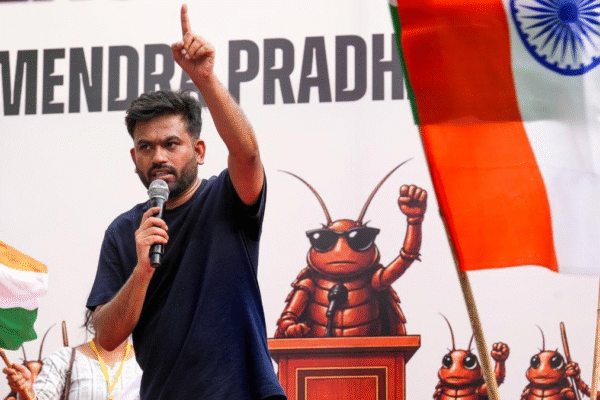
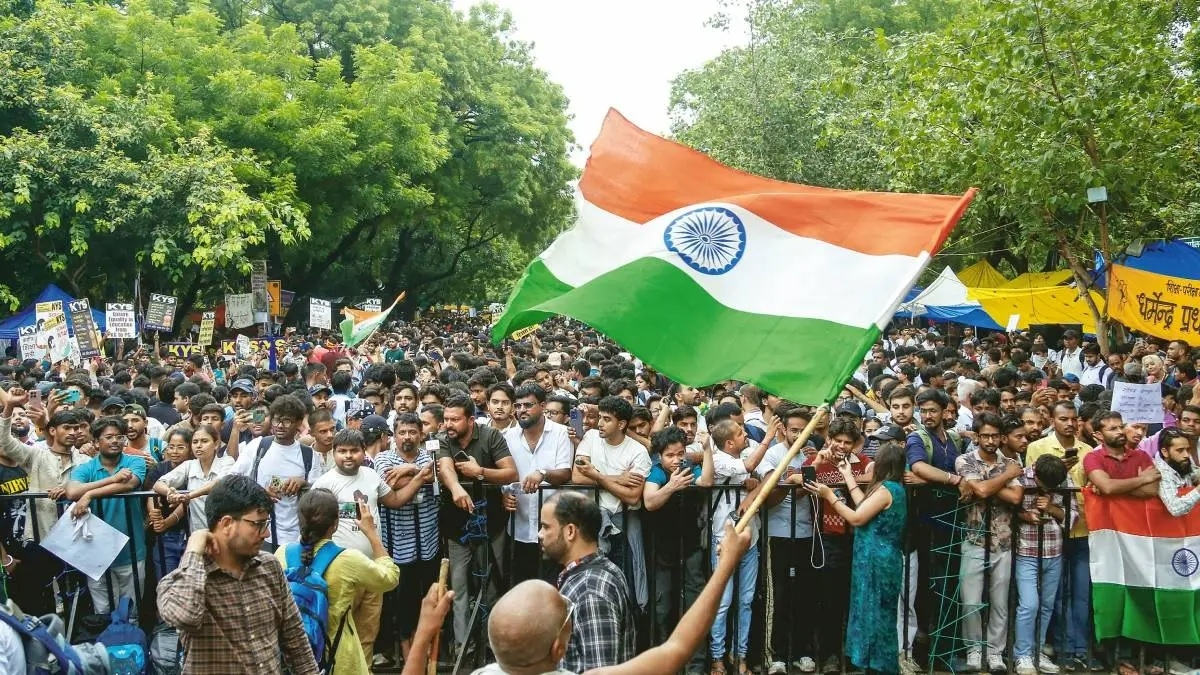
As tear gas canisters arched over police barricades near Tolstoy Marg on July 20, sending thousands of young protesters scrambling into narrow alleys, one reality stood stark against the clouds of smoke: the frontlines were manned entirely by the children of middle- and working-class India. The massive “Sansad Chalo” rally, organized by the youth-led Cockroach Janta Party (CJP) over widespread paper leak scandals, brought central Delhi to a standstill. Yet, while political leaders from across the spectrum rushed to issue press statements and tweet solidarity, a familiar divide echoed through the protest site.
Trauma Wards vs. Shielded Sanctums
In the emergency wards of AIIMS and Safdarjung Hospital, injured students nursed bruised limbs, eye trauma, and chemical burns. They were aspirants from small towns, suburban colleges, and coaching hubs—young people with everything on the line after years of preparation were disrupted by administrative failures. Conspicuously absent from the barricades, however, were the sons and daughters of India’s political elite.
This contrast has sparked a sharp debate among student activists and political observers alike. While prominent opposition figures—ranging from Congress leaders like Priyanka Gandhi Vadra to Samajwadi Party chief Akhilesh Yadav and senior AAP figures like Arvind Kejriwal and Manish Sisodia—have strongly condemned the police response and backed the CJP’s demands, their own children remain comfortably
shielded from the physical hazards of street politics.
Exploitative Optics: The High Cost Borne by Common Aspirants
Critics argue that this dynamic exposes a long-standing hypocrisy in Indian political culture. Mainstream political dynasties often treat youth unrest as a convenient weapon against ruling governments, mobilizing the grievances of ordinary students while ensuring their own offspring pursue elite educations abroad or operate safely behind high-security enclosures. When water cannons and lathi charges descend upon Jantar Mantar, it is never the children of party chieftains who face police detention or carry the burden of criminal FIRs that can tarnish career prospects.
At the protest venue, this sentiment simmered beneath the broader demands for exam reform. Several student organizers pointed out that while politicians are quick to exploit the optics of youth anger, true solidarity requires shared risk. When political leaders call on students to flood the streets and march toward Parliament, the foot soldiers who take the brunt of the security apparatus are invariably the sons and daughters of farmers, clerks, teachers, and small shopkeepers.
Privacy Rights vs. Structural Disparity
Defenders of these political families counter that public figures’ children are private citizens who have the right to choose their own career paths, free from forced political exposure. They maintain that leaders can effectively champion student causes through policy advocacy, parliamentary debates, and legal interventions without subjecting their families to physical danger.
The Unspoken Rule of Indian Politics
Nevertheless, the visual disparity remains striking. For the Gen Z demonstrators of the CJP movement, the struggle for educational fairness is an existential battle for survival, not a photo opportunity or a campaign strategy. As the dust settles over central Delhi and political parties continue to exchange barbs over the crackdown, ordinary students are left with a sobering reminder: in the arena of Indian street politics, the sacrifices are rarely shared equally between those who inspire the movement and those who lead the nation.

NewsHasghag operates a 24/7 news bureau that tracks the real-time, social media-driven stories from India and around the world, keeping you ahead of the day’s key talking points. Our digital-first approach transforms storytelling through the seamless integration of data, interactive charts, video, and audio into every narrative