


Bangladesh’s Garment Export Power Under Pressure as Wage Protests Disrupt Factories
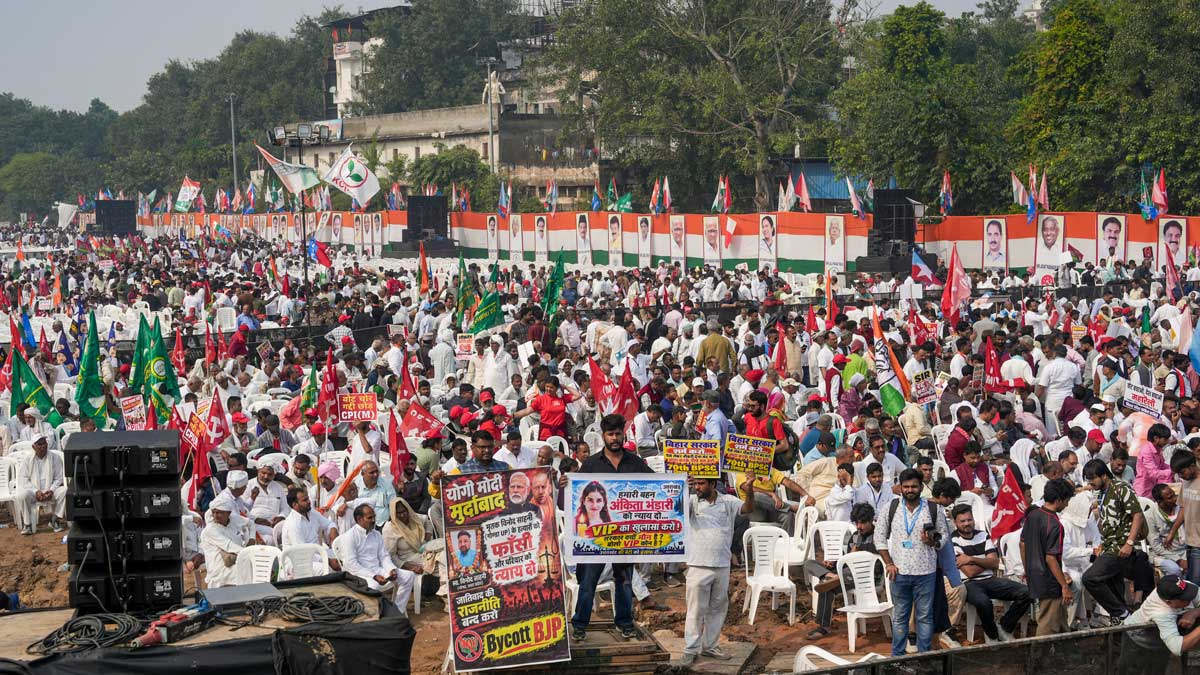
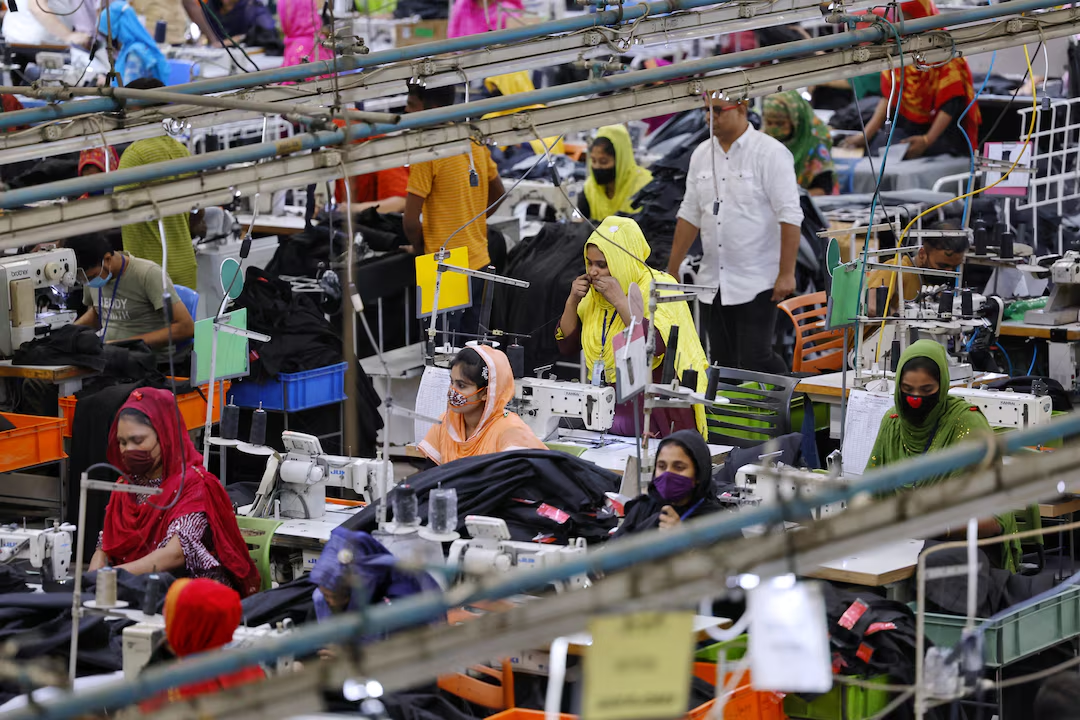
Bangladesh garment factories disrupted as protests continue for third day, with workers demanding higher minimum wages amid rising inflation. The unrest has put the spotlight on a central contradiction in the global fashion industry: Bangladesh has become one of the world’s most important clothing suppliers, yet millions of workers say their earnings are no longer enough to meet basic living costs.
On November 2, 2026, demonstrations disrupted production across major industrial areas near Dhaka. Workers demanded that the minimum monthly wage rise from 12,500 taka to 30,000 taka. The government responded by forming a wage board, but tensions continued. The protests have raised concerns about production schedules, export shipments and the confidence of international buyers.
How Bangladesh Became a Garment Export Giant
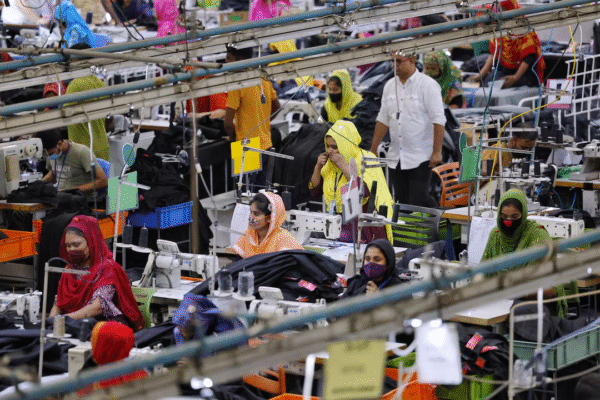
Bangladesh’s ready-made garment industry grew by combining relatively low production costs, a large workforce, export-oriented factories and close relationships with international fashion brands. The sector now employs approximately four million people and generates more than 80% of the country’s export earnings. Its importance extends beyond factory owners: garment exports support jobs, foreign-exchange receipts and livelihoods across the wider economy.
The industry’s expansion is also reflected in its export performance. According to the Bangladesh Garment Manufacturers and Exporters Association, apparel exports reached around $47 billion in fiscal year 2021–22, before easing in subsequent years and recovering to approximately $39 billion in 2024–25. These figures show both the sector’s scale and its exposure to changes in global demand.
China, Vietnam and India: Different Competitive Advantages
China remains the dominant force in global clothing manufacturing, supported by its vast industrial ecosystem, infrastructure, logistics and ability to produce a wide range of goods at scale. Bangladesh competes by specialising in large-volume orders of products such as T-shirts, trousers, knitwear and other everyday clothing.
Vietnam has strengthened its position through export-oriented manufacturing, trade agreements and investment in supply chains. Cambodia also competes for labour-intensive garment orders. India, meanwhile, has a large domestic textile base, cotton production and manufacturing capacity, but faces challenges in scaling up some export segments and competing with Bangladesh on cost and delivery.
These countries do not compete on wages alone. Buyers also consider quality, reliability, lead times, access to raw materials, tariffs, compliance requirements and the ability to deliver millions of pieces on schedule. Bangladesh’s established factory network and experience in mass-market clothing make it difficult for brands to replace suppliers quickly.
Why Global Brands Depend on Bangladesh
Bangladesh matters because it offers an established manufacturing ecosystem capable of handling enormous orders at competitive prices. Its factories specialise in everyday clothing sold in high volumes, while decades of investment have developed supplier relationships, production skills and export infrastructure.
Preferential access to major markets has also helped Bangladesh compete internationally. However, its export concentration creates a vulnerability: when garment production stops, the consequences extend to foreign-exchange earnings, employment and the national economy. The country also faces the challenge of diversifying into higher-value products and preparing for changes in trade preferences as it graduates from least-developed-country status.
The Price of Cheap Fashion
The wage protests expose the tension between competitive export prices and workers’ living standards. Manufacturers face rising production costs and uncertain international demand, while workers argue that existing wages cannot keep pace with inflation. Neither prolonged shutdowns nor indefinitely suppressing wages offers a sustainable solution.
For global brands, the disruption is a reminder that supply-chain resilience depends on more than factory capacity and delivery deadlines. Fair wages, safe working conditions and constructive labour relations are also essential. International buyers that benefit from low manufacturing costs have a role to play in ensuring suppliers can improve wages without losing orders to cheaper competitors.
Bangladesh’s garment industry has helped transform its economy and establish the country as a global manufacturing powerhouse. But its next phase of growth will depend on whether export competitiveness can be maintained alongside better living standards for workers.
The central question is no longer simply whether Bangladesh can produce clothes cheaply. It is whether the global fashion business can sustain a model in which affordable clothing for consumers does not come at the expense of the people who make it.

Prabha Gupta is a veteran journalist and civic thinker dedicated to the constitutional ideals of dignity and institutional ethics. With over thirty years of experience in public communication, her work serves as a bridge between India’s civil society and its democratic institutions. She is a prominent voice on the evolution of Indian citizenship, advocating for a national discourse rooted in integrity and the empowerment of the common citizen