




ICJ Rules Myanmar Committed Genocide Against Rohingya
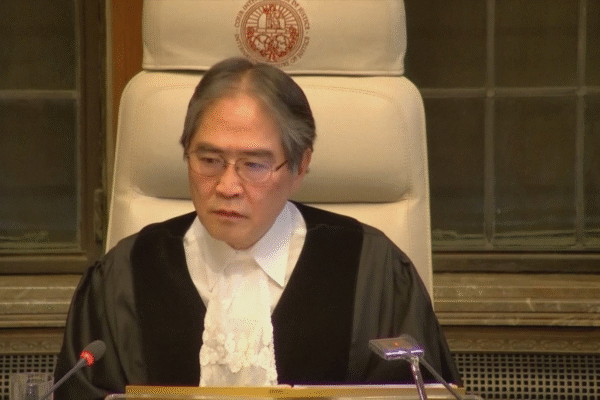
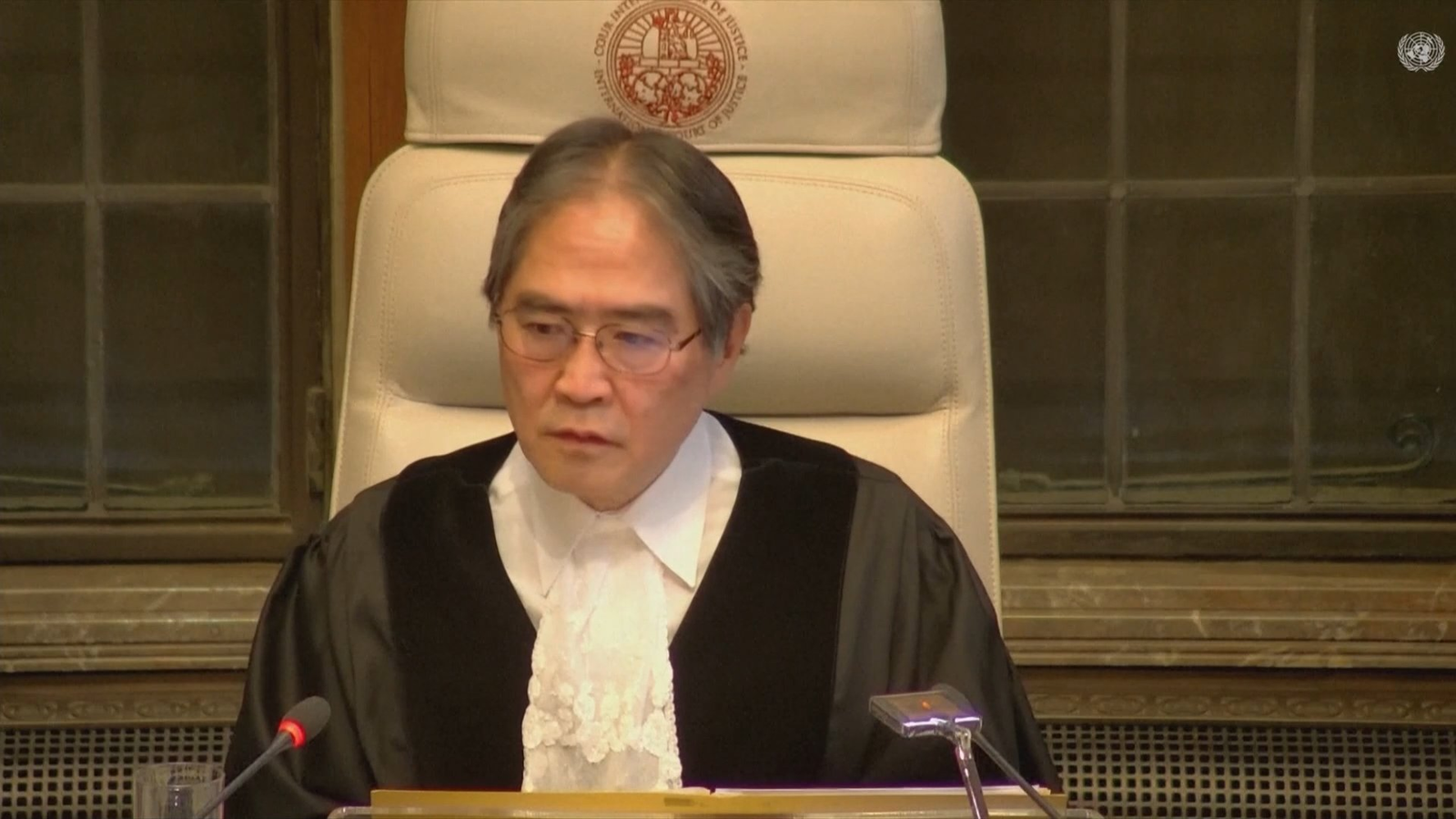
The International Court of Justice (ICJ) has ruled that Myanmar committed genocide against its Rohingya Muslim minority during the military operations in northern Rakhine State in 2017. In a landmark judgment delivered on November 19, 2026, the UN’s highest court reached its conclusion by a 9-6 majority, holding the Myanmar state responsible for violating the 1948 Genocide Convention.
The court found that Myanmar’s security forces killed thousands of Rohingya, inflicted serious physical and mental harm, and carried out measures intended to prevent births, with the intent to destroy a substantial part of the community. It also ordered Myanmar to take measures to prevent a recurrence, investigate and punish those responsible, facilitate safe and dignified return for displaced Rohingya, and provide compensation. The amount of compensation will be determined in a subsequent phase of the proceedings.
The ruling is the first time the ICJ has found a state responsible for committing genocide. But the roots of the crisis go back decades, long before the military crackdown that drove hundreds of thousands of people into Bangladesh.
How did the Rohingya crisis begin?
The Rohingya are a predominantly Muslim community historically concentrated in Myanmar’s western Rakhine State, which borders Bangladesh. Their identity and historical presence have been disputed by successive Myanmar governments and nationalist groups. Many in Myanmar regard them as descendants of migrants who arrived from Bengal during British colonial rule, while Rohingya representatives maintain that their community has deep historical roots in the region.
The dispute over identity became a question of citizenship and basic rights. Myanmar’s 1982 Citizenship Law effectively excluded most Rohingya from full citizenship, leaving many stateless. Restrictions on movement, education, healthcare, marriage and employment further marginalised the community.
Communal tensions escalated sharply in 2012, when violence between Buddhist Rakhine communities and Rohingya Muslims displaced thousands. Anti-Muslim rhetoric and nationalist mobilisation contributed to an increasingly hostile environment. Human Rights Watch documented campaigns by local officials and Buddhist nationalist figures portraying Rohingya as a threat to the region and calling for their removal.
The military’s justification: Counterterrorism or collective punishment?
Myanmar’s military leadership defended its operations as a response to attacks by the Arakan Rohingya Salvation Army (ARSA), an armed Rohingya insurgent group. In October 2016, ARSA-linked attackers targeted border police posts, killing security personnel. On August 25, 2017, ARSA launched coordinated attacks on around 30 police and army posts in northern Rakhine State.
The military described its subsequent campaign as a counterterrorism or clearance operation intended to restore security. Myanmar authorities also repeatedly portrayed the Rohingya as illegal immigrants and a threat to the country’s national identity and Buddhist majority.
There were allegations and reports of tensions involving Rohingya individuals and Buddhist residents, including claims concerning the harassment of monks. However, such allegations cannot be treated as evidence of collective responsibility by an entire ethnic or religious community. Independent investigations also documented the role of some Buddhist nationalist figures in spreading anti-Muslim hostility. There is no justification for treating civilians as combatants because of their religion or ethnicity.
The distinction is crucial: attacks by ARSA against security personnel were criminal acts that could legitimately be investigated and prosecuted. They did not give the military the right to target an entire civilian population.
What happened in 2017?
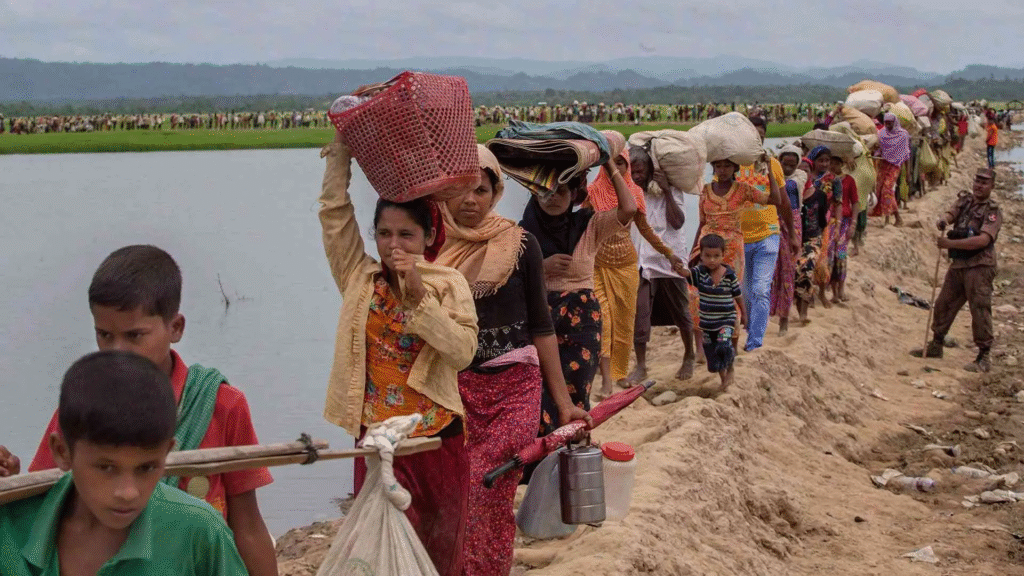
The military response went far beyond operations against suspected insurgents, according to international investigations. Rohingya villages were burned, civilians were killed, women and girls were subjected to widespread sexual violence, and children were among those attacked. More than 730,000 Rohingya fled to Bangladesh following the crackdown.
The UN Fact-Finding Mission documented systematic abuses and concluded that there were reasonable grounds to investigate senior military officials for genocide. The ICJ has now reached its own legal finding of state responsibility after examining the evidence in the case brought by The Gambia.
Who is responsible, and what happens next?
The ICJ judgment establishes Myanmar’s responsibility as a state. It does not itself impose criminal sentences on individual generals or soldiers. Individual criminal responsibility requires separate proceedings. The military leadership and security forces responsible for the operations are central to questions of accountability, while ARSA’s attacks remain independently condemnable.
The case was brought by The Gambia in 2019, with support from the Organisation of Islamic Cooperation. Its legal significance extends beyond Myanmar because it reinforces the international obligation to prevent and punish genocide, regardless of where it occurs.
Yet the greatest challenge remains implementation. More than a million Rohingya refugees are in Bangladesh, many living in overcrowded camps. A return without citizenship rights, physical security, freedom of movement and protection from discrimination would not constitute a durable solution.
The ICJ has delivered its judgment. Whether Myanmar complies, whether those responsible face accountability and whether the Rohingya can return with dignity will determine whether this historic ruling changes lives beyond the courtroom.

Prabha Gupta is a veteran journalist and civic thinker dedicated to the constitutional ideals of dignity and institutional ethics. With over thirty years of experience in public communication, her work serves as a bridge between India’s civil society and its democratic institutions. She is a prominent voice on the evolution of Indian citizenship, advocating for a national discourse rooted in integrity and the empowerment of the common citizen