

Iran’s Supreme Leader Killed, Nation in Mourning
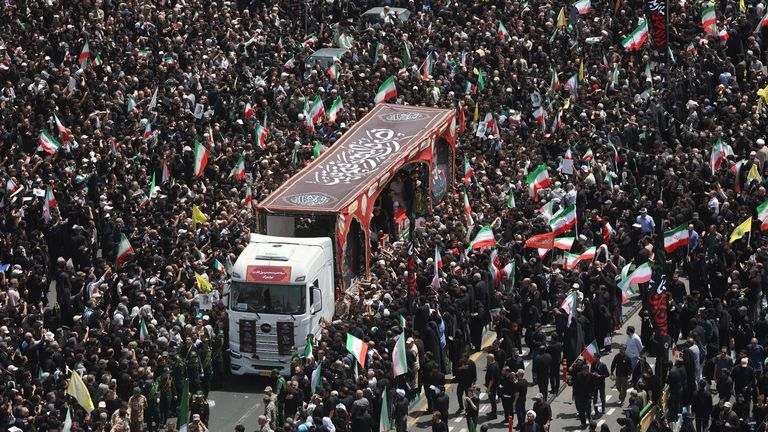
Iran’s Supreme Leader Killed, Nation in Mourning-In one of the most consequential developments of the Middle East crisis in decades, Iran’s Supreme Leader Ayatollah Ali Khamenei has been confirmed dead by Iranian state media following U.S. and Israeli military strikes, and Tehran has announced 40 days of national mourning and seven days of public holiday in his honour.
State broadcasters reported that the 86-year-old cleric was killed in an early-morning strike on what was described as his office or compound, joining a broader military campaign that has seen Iranian military infrastructure and leadership targeted. The death — now widely confirmed by multiple outlets — marks a watershed moment in global geopolitics, potentially redefining power dynamics across the Middle East and beyond.
Iran’s declaration of a 40-day mourning period, a deeply symbolic period in Shia tradition, underscores the emotional and sociopolitical shockwaves the nation faces. Compounding the significance, seven official public holidays have also been announced to allow state institutions and citizens to participate in ceremonial observances.
A Leadership Vacuum and Succession Challenges
Ayatollah Khamenei had led Iran since 1989, dominating both political and religious authority in the Islamic Republic. His death instantly creates a power vacuum at the highest level of government. While Iran’s constitution provides procedures for selecting a successor, the reality of succession is often a blend of clerical consensus and power politics within elite circles — especially the Islamic Revolutionary Guard Corps (IRGC) and senior clerics.
Analysts suggest multiple potential scenarios: a consensus clerical figure acceptable to both hardliners and more pragmatic factions; a hawkish successor endorsed heavily by the IRGC; or an extended period of internal jockeying that could weaken central authority.
The IRGC, already a potent force within Iran’s political and military ecosystem, may leverage this moment to consolidate its influence, which could push Iran toward even more hardline regional policies.
Domestic Impact: Unity, Anger and Uncertainty
Within Iran, the reaction is likely to be complex and multilayered. For many ordinary citizens tired of economic hardship, state repression and international isolation, the removal of a long-standing authoritarian figure may stir mixed emotions — relief, uncertainty, or even resentment over the method of his removal.
The declared mourning period will act not only as a public period of grief but also as a focal point for national unity and regime solidarity. State ceremonies, religious observances, and public displays will emphasize continuity of the Islamic Republic’s ideological foundations, even in absence of its central symbol.
However, the absence of a clear successor could intensify political tensions, with factions within the clerical establishment and military elite vying for influence. This internal struggle may shape Iran’s domestic policies and social fabric over years to come.
Regional Ramifications: New Escalations Ahead?
Khamenei’s death could have profound regional consequences. Iran has been a central supporter of allied movements and states — from Hezbollah in Lebanon to various militias in Iraq, Syria, and Yemen. The leadership vacuum may embolden proxy groups, deepen existing conflicts, or spur retaliatory actions aimed at U.S. and Israeli interests throughout the Middle East.
Neighboring states — particularly Gulf Arab nations — will be on high alert as Iran recalibrates its regional strategy. Meanwhile, the ongoing strikes and counterstrikes could escalate into direct confrontations beyond Iranian borders unless diplomatic channels intervene swiftly to prevent broader war.
Global Security and Economic Reverberations
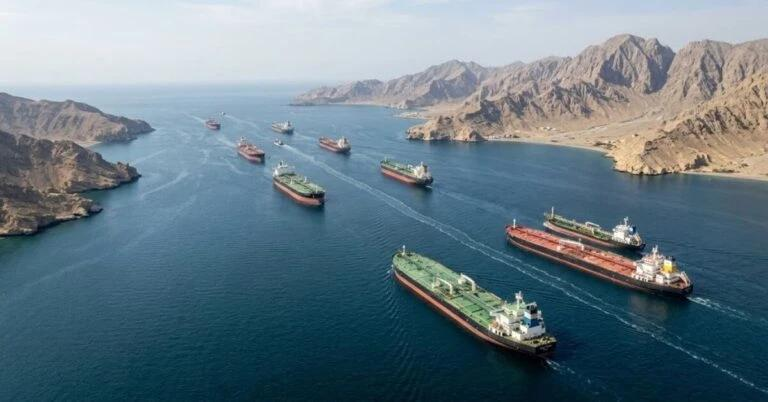
Beyond the Middle East, global security concerns have surged. The potential disruption of oil flows through the Strait of Hormuz, a vital artery for global energy markets, could fuel price volatility and economic strain worldwide. Governments and financial markets are already monitoring how risks to oil supply and geopolitical uncertainty might drive inflation and investment shifts.
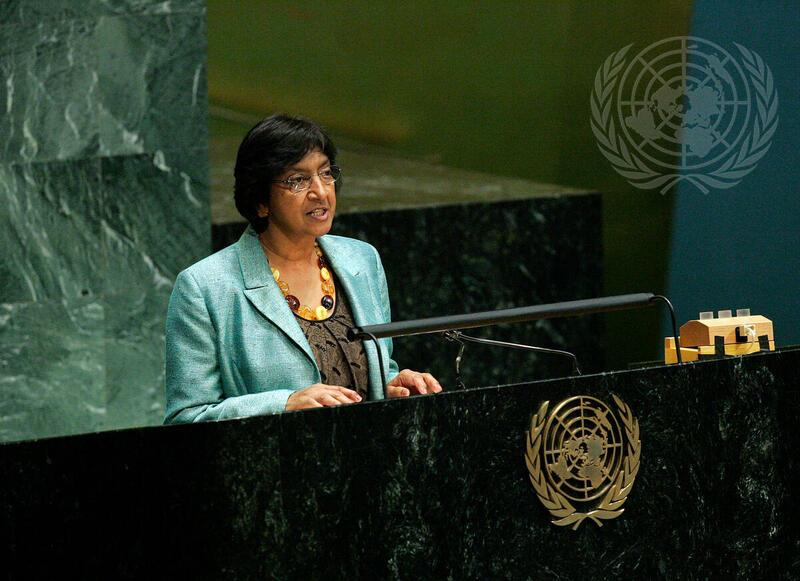
International institutions — including the United Nations — have urged restraint and prioritized diplomatic engagement to prevent a wider conflagration that could engulf multiple regions.
A New Chapter of Uncertainty
If the reports of Khamenei’s death and the extensive mourning period are accurate — as confirmed by several leading news agencies — the Middle East enters a new and unpredictable chapter. The transition of power in Iran, the reactions of global and regional actors, and the path of ongoing hostilities will shape the geopolitical landscape for years, demanding close observation and urgent diplomatic effort to avert deeper conflict.
Prabha Gupta is a veteran journalist and civic thinker dedicated to the constitutional ideals of dignity and institutional ethics. With over thirty years of experience in public communication, her work serves as a bridge between India’s civil society and its democratic institutions. She is a prominent voice on the evolution of Indian citizenship, advocating for a national discourse rooted in integrity and the empowerment of the common citizen