


Delhi Post-Diwali Air Pollution Worst in 5 Years Despite Green Crackers
Despite the promotion of so-called ‘green’ crackers, Delhi’s post-Diwali air pollution has reached its worst level in five years. The capital woke up to thick smog and hazardous air, with the Air Quality Index (AQI) surpassing all previous years since 2019. The failure of firecracker regulations and continued violations have once again put public health at risk.
AQI Peaks at Hazardous Levels, Surpasses 2022 and 2023
On the night of Diwali, Delhi’s AQI soared past 328, far higher than 218 in 2023 and 312 in 2022. According to the Central Pollution Control Board (CPCB), this year’s Diwali pollution even outpaced levels recorded before the pandemic.
Experts had hoped that the use of ‘green’ crackers—marketed as a safer, less polluting alternative—would help reduce emissions. However, widespread bursting of conventional fireworks across Delhi-NCR suggested poor enforcement and public non-compliance.
In several parts of the city, including Anand Vihar, Jahangirpuri, and RK Puram, AQI readings crossed the severe mark (above 400). This led to visible smog, reduced visibility, and a sharp spike in respiratory complaints, especially among children and the elderly.
Health Warnings Ignored as Firecrackers Light Up the Capital
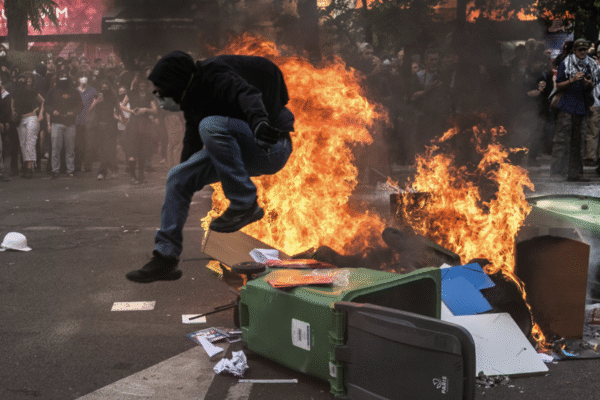
Despite clear warnings from health experts and Delhi’s Environment Department, residents continued to burst crackers well into the night. This behavior not only violated the Supreme Court’s restrictions but also undermined months of awareness campaigns promoting cleaner celebrations.
Medical professionals reported a noticeable increase in emergency cases related to breathing difficulties, asthma attacks, and eye irritation within 24 hours of Diwali night. Dr. Nisha Kapoor, a pulmonologist at AIIMS, confirmed:
“We saw a 30% rise in patients with acute respiratory distress on the day after Diwali. Many were children under 10.”
Authorities also cited a lack of coordination between municipal bodies and the police as a key reason for failure in enforcing the cracker ban.
Is Delhi Losing the Fight Against Air Pollution?
The Delhi post-Diwali air pollution crisis underscores a growing concern: awareness alone is not enough. Despite media campaigns and legal guidelines, real change will require stricter enforcement, community participation, and sustainable alternatives to traditional celebrations.
Environmentalists argue that blaming stubble burning alone is no longer valid. While crop residue fires in Punjab and Haryana do contribute to air quality deterioration, the spike in AQI during Diwali is directly linked to local activity—primarily firecrackers.
Looking ahead, Delhi’s government has promised to review its anti-pollution strategies, including stricter penalties for those who violate the cracker ban. However, without active participation from the public, meaningful improvement may remain out of reach.
This year’s Delhi post-Diwali air pollution proves that partial measures like green crackers are not enough. With air quality now breaching hazardous levels annually, the need for urgent, collective action has never been clearer.
Until then, Delhi continues to celebrate through smoke—at the cost of its people’s lungs.

NewsHasghag operates a 24/7 news bureau that tracks the real-time, social media-driven stories from India and around the world, keeping you ahead of the day’s key talking points. Our digital-first approach transforms storytelling through the seamless integration of data, interactive charts, video, and audio into every narrative