




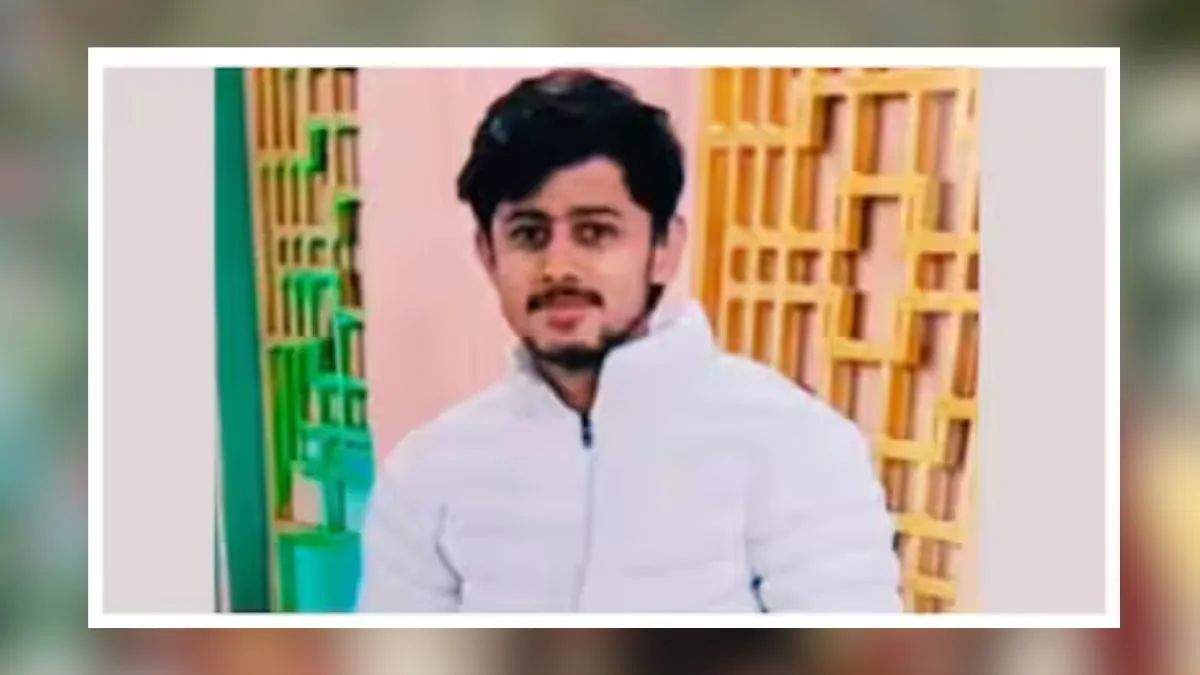
Faridabad based a teen suicide case has raised a deep concern in the society. A 19-year-old college student ended his life after being blackmailed with AI-generated obscene images of his sisters. The case has shaken the city and the nation exposing how technology and mental pressure can push young people to extreme actions.
According to police reports, Rahul Bharti, a second-year student at DAV College, had been visibly distressed for weeks. His father, Manoj Bharti, said Rahul had stopped eating and spent most of his time locked in his room. Investigators later discovered that someone had hacked Rahul’s phone. They used artificial intelligence to create obscene visuals of his three sisters and demanded ₹20,000.
The blackmailer, identified in chats as “Sahil,” repeatedly called Rahul and sent video messages, urging him to “aja mere paas” (“come to me”). Feeling trapped and humiliated, Rahul took the drastic step of ending his life.
A Silent Epidemic: Why Teens Are So Stressed
Rahul’s case, while extreme, reflects a growing problem in India. Teen stress is rising, and suicide is now the leading cause of death for people aged 15–29, according to the National Crime Records Bureau. Experts cite a dangerous mix of academic pressure, digital exposure, and emotional isolation as key triggers.
Many students face immense pressure to excel in exams and secure a future career. Social media amplifies this stress, constantly comparing teens to others. When expectations collide with setbacks or ridicule, young minds often feel trapped. Cyberbullying and online blackmail, such as in Rahul’s case, only worsen the situation.
Dr Foram Matalia, a psychologist, explained that untreated distress can make even minor incidents feel overwhelming. Sudden phone loss or family arguments can trigger extreme responses. Unfortunately, only about 41% of young Indians say they would seek help for mental health issues, reflecting deep stigma.
In recent years, similar tragedies have made headlines nationwide. Students in Maharashtra and Tamil Nadu ended their lives after failing exams. In Bengaluru and Delhi, police reported cases of teens dying by suicide after online harassment. The pattern is clear: many are suffering silently without access to trusted adults or professional help.
Breaking the Silence Around Teen Mental Health
Rahul Bharti’s death must serve as a wake-up call. Digital exploitation combined with mental fragility among teens is dangerous and growing. Schools and colleges need to prioritize emotional well-being alongside academics. Awareness campaigns, safe reporting systems, and confidential counselling can provide a lifeline.
Families also play a crucial role. Instead of judging, parents should start real conversations about anxiety, social media, and stress. Recognizing early warning signs — withdrawal, sudden silence, sleep disruption, or loss of appetite — can save lives.
Stronger technology laws are equally important. AI-generated sexual content is not only unethical but illegal, and enforcement can deter such exploitation.
A Generation in Need of Care
Rahul’s story reflects a broader truth: many young Indians live in fear of failure, shame, or exposure. Society celebrates success but often ignores the emotional toll. Protecting youth means providing understanding, support, and a listening ear.
If you or someone you know is struggling with suicidal thoughts, reach out for help. In India, you can contact AASRA (91-9820466726) or Snehi (91-9582208181). Asking for help is a sign of strength, not weakness.

Prabha Gupta is a veteran journalist and civic thinker dedicated to the constitutional ideals of dignity and institutional ethics. With over thirty years of experience in public communication, her work serves as a bridge between India’s civil society and its democratic institutions. She is a prominent voice on the evolution of Indian citizenship, advocating for a national discourse rooted in integrity and the empowerment of the common citizen