

Bihar Election: Seemanchal’s Voter List Worries Deepen
The Bihar election is nearing, and Seemanchal’s voter list SIR revisions have sparked anxiety across the region. Many fear that rushed electoral corrections may remove valid voters, deepening distrust in a region already struggling with poverty, migration, and political neglect.
In Bihar’s Seemanchal belt stretched across Kishanganj, Purnia and Katihar, voters live inside a paradox. They dream of governance that frees them from the brutal cycle of poverty, migration and floods. Yet, the region remains trapped in a political maze where caste, religion, and identity overshadow the cry for basic survival.
Here, every election feels like a gamble between dignity and dependence, between promises made and promises forgotten. Despite decades of appeals for roads, jobs, relief camps, health facilities, and flood-control systems, the struggle against hunger and erosion continues. And with every passing year, the river takes land, migration takes youth, and politics takes hope.
Identity, Caste and the Uneasy Politics of Belonging
Seemanchal remains one of India’s most underdeveloped regions. Livelihood issues dominate conversations — wages, work, and survival decide people’s breath-to-breath realities. Yet, caste loyalties and religious identities steer voting patterns. In tea stalls, madrassas, marriage halls and flood-hit hamlets, there is anger. But there is also fear — fear of losing benefits, fear of being singled out, fear of being pushed out of the voter list.
Moreover, the BJP’s influence at the Centre, the fragmentation of regional parties, and the memories of AIMIM’s entry in 2020 shape electoral psychology. Leaders speak development, but voters whisper survival.
In 2020, AIMIM shook Seemanchal by winning five seats. Most of its MLAs later moved to the INDIA bloc. Yet, the spoiler factor remains fresh, especially among Muslim voters. As journalist Tanzil Asif points out, AIMIM today is not as powerful; only Akhtarul Iman’s personal goodwill keeps the party visible in Amour. Still, political undercurrents remain tense, as parties fear any split in minority votes could alter results sharply.
The Shadow of Voter Verification and Silent Fear
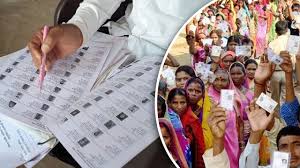
The Special Intensive Revision (SIR) of voter rolls cast a long shadow across Seemanchal this year. Its hurried implementation reportedly caused anomalies, triggering panic in villages where documentation is often a luxury. Booth-level officers later admitted errors — many marked as “dead” were actually living, and many “permanently shifted” had never left.
For instance, at Booth No. 167 in Kishanganj, nearly 93% of those initially excluded were marked dead. Later corrections added five voters back. BLOs argued that many names removed were young married women who shifted to their husband’s residence — often with family consent. Yet, doubts linger.
In pockets like the Iranian Colony of Kishanganj, fear is sharper. Residents, many tracing roots back to British-era settlement, have struggled to secure identity papers since 2006. Some hold passports, Aadhaar, or earlier voter cards — yet they received notices demanding proof again.
Haider Ali, whose father appeared in the 2003 voter list, says:
“We have lived here for generations. Still, we must prove who we are?”
Residents claim over 200 people still lack valid documents due to bureaucratic disputes. The community, largely Shia Muslim, finds itself repeatedly questioned. However, Asif notes this as an exception, adding that Muslim families across Seemanchal have aggressively secured documents since the “infiltrator narrative” gained national traction under the BJP government.
Even then, fear has not vanished — especially in flood-prone, illiterate belts like Sikornia in Kadwa, where the final voter list uploaded online on September 30 remained unknown, as villagers waited for physical verification instead.
Congress MLA Shakeel Ahmad Khan accuses the Election Commission of mishandling the process, echoing the party’s national stand. In areas where literacy remains painfully low and migration is monthly reality, digital voter lists feel like distant city talk.
The Silent Battle Beneath Campaign Noise
Seemanchal stands at a crossroads — between identity and livelihood, fear and hope. Farmers losing land to rivers, labourers returning from Delhi and Punjab, and women standing in ration lines share one demand: survive today, dream tomorrow.
But elections here rarely echo those simple words. Instead, voices get layered under caste equations, communal anxieties, and party experiments.
And so, this region keeps voting. It keeps waiting. It keeps battling floods, unemployment and memory of neglect. Its people move — to work, to earn, to survive — yet the politics they return to rarely moves with them.
Sometimes democracy here feels like the river — changing course, swallowing land, and yet refusing to leave.
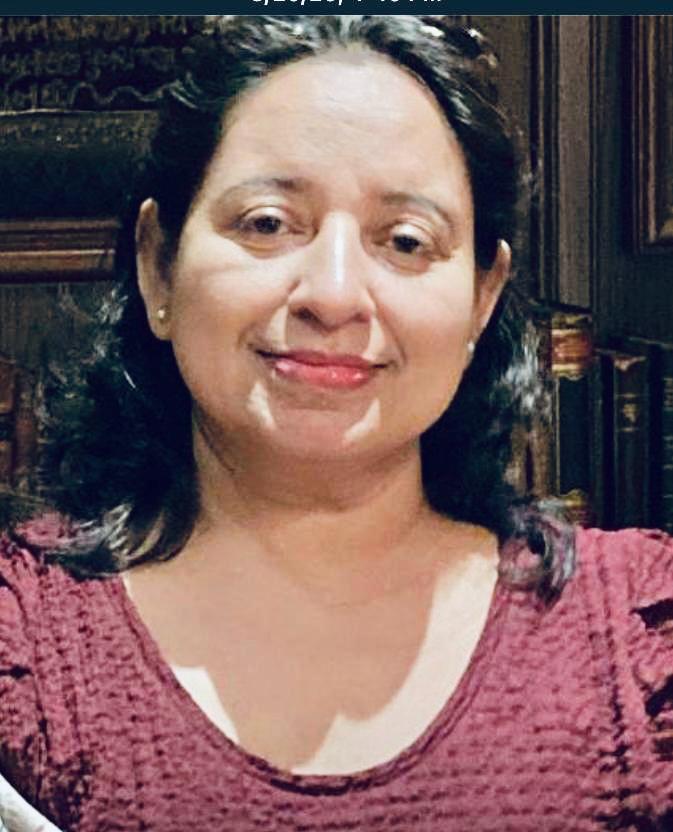
Prabha Gupta is a veteran journalist and civic thinker dedicated to the constitutional ideals of dignity and institutional ethics. With over thirty years of experience in public communication, her work serves as a bridge between India’s civil society and its democratic institutions. She is a prominent voice on the evolution of Indian citizenship, advocating for a national discourse rooted in integrity and the empowerment of the common citizen