




The Ghost in the Machine: Why 25 Ships Can’t Save the U.S.-Iran Accord
The global economy briefly breathed a sigh of relief on June 18 when 25 commercial vessels charted a course through the newly reopened Strait of Hormuz. It marked the highest single-day transit volume since mid-April, offering a fleeting, mathematical illusion of stability. For a brief moment, the newly minted Memorandum of Understanding between Washington and Tehran seemed to have achieved its primary economic objective: getting oil and liquefied natural gas moving again. Yet, the celebratory mood evaporated almost immediately. On the morning of June 19, the Swiss Foreign Ministry announced the abrupt postponement of the technical-level implementation talks in Bürgenstock. The fragile peace, brokered with much political fanfare, is already buckling under a familiar geopolitical reality: you cannot stabilize the Persian Gulf while the Levant is on fire.
The Illusion of Flow and the Reality of Friction
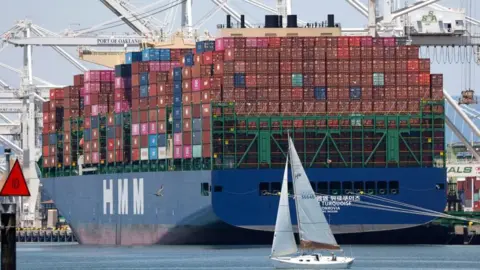
The surge in maritime traffic through the world’s most critical energy chokepoint was less a vote of confidence and more a desperate evacuation. Many of the outbound vessels had been physically trapped inside the Persian Gulf for more than 100 days due to the intense conflict that erupted in late February. While the lifting of the American naval blockade allowed these ships to flee, maritime security agencies note that the transit was far from normal. Sophisticated AIS signal spoofing and severe electronic disruptions affected over 200 commercial ships simultaneously during the crossing.
This digital chaos mirrors the diplomatic friction on land. The technical talks in Switzerland, which were supposed to feature U.S. Vice President JD Vance and Iranian Chief Negotiator Mohammad Bagher Ghalibaf, collapsed before the delegations could even board their planes. The direct trigger was a severe escalation of hostilities in southern Lebanon. Iran-backed Hezbollah militants and the Israeli military traded devastating strikes, resulting in the deaths of four Israeli soldiers and at least 18 Lebanese individuals. Because the framework of the peace deal explicitly dictates a permanent termination of military operations on all fronts—including Lebanon—Tehran pulled its diplomats from the table in protest of what it termed systemic Israeli violations.
The Fragmented Future of Middle Eastern Deterrence
Looking ahead toward the remainder of 2026, this diplomatic whiplash reveals the structural flaw of modern bilateral architecture. Washington and Tehran attempted to negotiate a isolated regional truce while ignoring the existential security imperatives of non-signatory actors, most notably Israel. Facing an upcoming election in October, Israeli political leadership has made it clear that it will not bound its military policy to a framework it played no part in drafting.
This guarantees a highly volatile, fragmented future for regional security. Even if the Swiss talks are rescheduled, the structural leverage has shifted. The Iranian Revolutionary Guard Corps has already signaled that its compliance with the shipping protocols is entirely contingent on the containment of Israel. Furthermore, Iran has dropped hints that it intends to introduce long-term transit fees for vessels using the strait once the initial 60-day toll-free window expires.
The economic fallout will force global shipping conglomerates to treat the Strait of Hormuz as a permanently compromised corridor. We are likely to see an aggressive, accelerated transition toward bypass pipelines and alternative trade routes, rendering paper treaties secondary to physical security. The 25 ships that made it through on Thursday did not signal the dawn of a peaceful new era; they merely illustrated a brief pause in a conflict that has outgrown the control of both Washington and Tehran.

NewsHasghag operates a 24/7 news bureau that tracks the real-time, social media-driven stories from India and around the world, keeping you ahead of the day’s key talking points. Our digital-first approach transforms storytelling through the seamless integration of data, interactive charts, video, and audio into every narrative