

Detained Abhijeet Dipke Hands Over CJP Protest Baton to Ajinkya Shinde: A Movement Faces Its First Major Test
The detention of Cockroach Janta Party (CJP) founder Abhijeet Dipke and two senior associates inside an aircraft shortly after it landed in New Delhi on October 10 has dramatically altered the course of the group’s planned protest against Chief Election Commissioner Gyanesh Kumar. But the movement has not been left without leadership. Anticipating possible detention, Dipke recorded a video handing over responsibility for the protest to Ajinkya Shinde, the organisation’s in-charge, ensuring that the campaign could continue even in the absence of its leading faces.
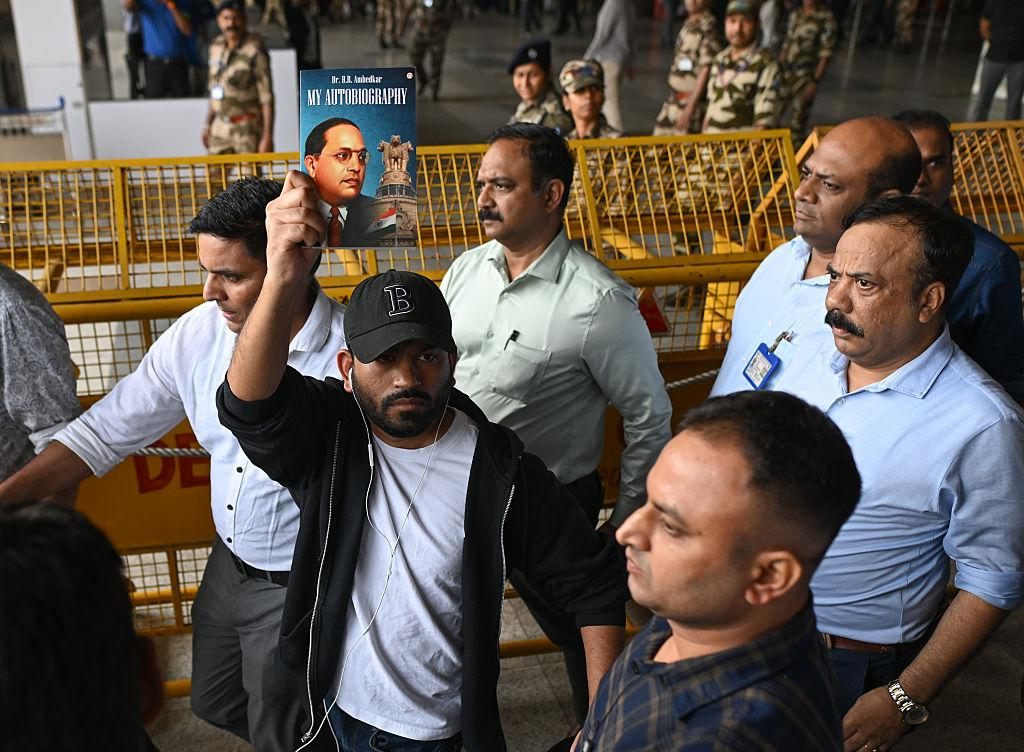
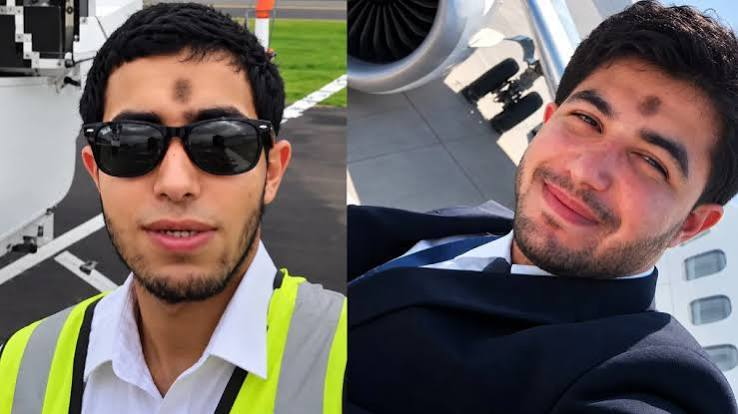
Dipke, CJP co-convener Saurav Das and spokesperson Ashutosh Ranka had travelled from Mumbai to participate in the planned demonstration at Jantar Mantar. Delhi Police personnel entered their flight after it landed and detained the three leaders. Videos shared online showed Dipke challenging the police action and raising questions about the grounds for his detention.
The incident unfolded amid heightened security in the national capital, where authorities had denied permission for the CJP protest. Police reportedly cited the failure to seek permission sufficiently in advance. The action against the leaders before they could reach the protest venue has raised questions about the handling of planned demonstrations and the space available for political dissent.
A pre-recorded message keeps the movement alive
Dipke’s decision to record a succession message before travelling to Delhi suggests that the possibility of detention had been anticipated. In the video released after the incident, he said that if viewers were watching the message, he, Das and Ranka had been detained, and that Shinde would lead the protest and the CJP movement in their absence.
The message was more than a routine organisational announcement. It was an attempt to prevent the detention of prominent leaders from disrupting the campaign at a critical moment. By naming a successor in advance, Dipke sought to maintain continuity, communicate a clear chain of responsibility and signal that the movement did not depend exclusively on its founder.
Shinde, who is from Maharashtra, has a political background that includes working as a social media coordinator for the Aam Aadmi Party’s Maharashtra unit. Reports say he has been associated with Dipke for years and previously worked full-time with the AAP after leaving a corporate job. His experience in political organisation and campaigning could now become important as he assumes responsibility during a period of uncertainty.
The immediate challenge will be to coordinate supporters, communicate the movement’s demands and decide how to proceed while senior figures remain in custody. Leadership in such circumstances requires more than public visibility: it demands discipline, a clear strategy and the ability to keep supporters informed without allowing tensions to escalate.
The larger question: protest, policing and democratic space
The confrontation comes against the backdrop of a wider dispute over the Election Commission’s Special Intensive Revision (SIR) of electoral rolls. The CJP’s proposed demonstration called for action against Chief Election Commissioner Gyanesh Kumar over alleged irregularities in the revision exercise. The allegations remain contested, and the Election Commission’s decisions must be assessed through evidence, transparent procedures and available grievance mechanisms.
At the same time, the manner in which authorities respond to protest matters. Governments and police agencies have legitimate responsibilities to maintain public order and enforce lawful restrictions. Those responsibilities must be balanced against citizens’ rights to express political disagreement and assemble peacefully. The circumstances and legal basis of a detention should be made clear, particularly when action is taken before demonstrators reach their intended venue.
The detention of the CJP leaders may temporarily weaken the group’s public-facing leadership, but it could also give the movement a new rallying point. Whether that translates into wider support will depend on the credibility of its demands, the discipline of its organisers and the ability to sustain public engagement beyond a dramatic confrontation.
For Ajinkya Shinde, the handover is an unexpected test of leadership. For CJP, it is a test of organisational resilience. And for the authorities, the episode presents a broader question: can public order be maintained while leaving meaningful room for peaceful dissent?
A protest movement is tested not only by the strength of its slogans, but by how it responds when its leaders are detained. The coming days will show whether the baton passed by Dipke can keep the campaign moving—or whether the crackdown will leave it struggling to find its next direction.

NewsHasghag operates a 24/7 news bureau that tracks the real-time, social media-driven stories from India and around the world, keeping you ahead of the day’s key talking points. Our digital-first approach transforms storytelling through the seamless integration of data, interactive charts, video, and audio into every narrative