



Wanted to Avenge Gaza’: Flydubai Co-Pilot’s Chilling Confession After Cockpit Attack
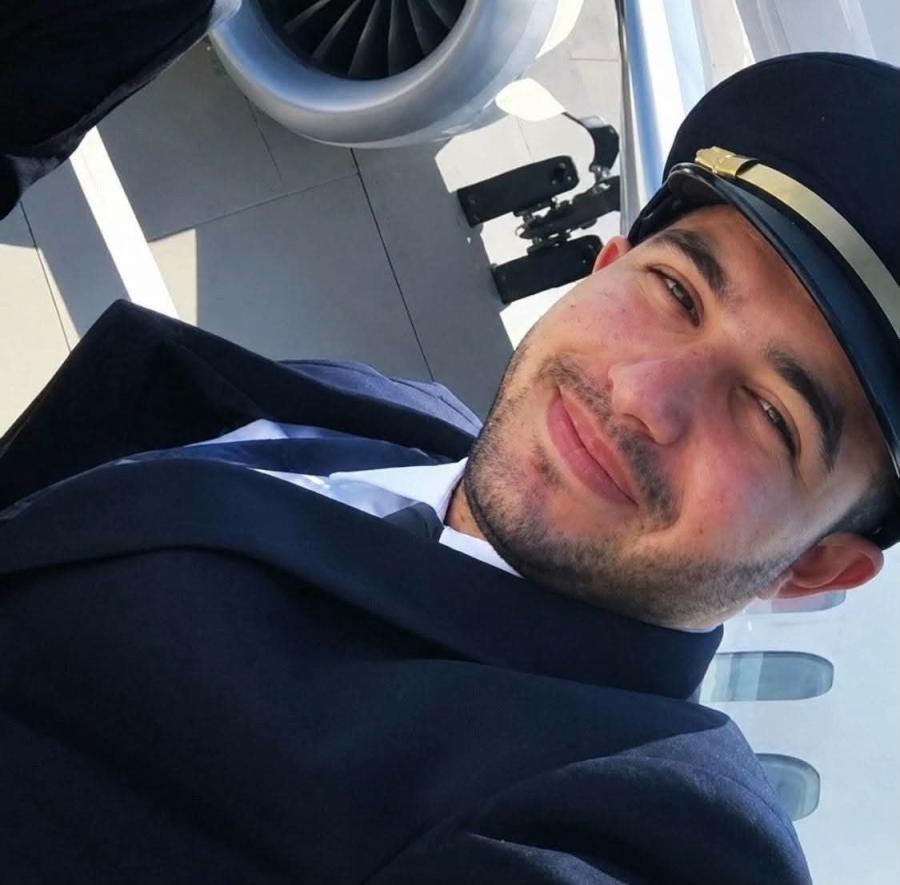
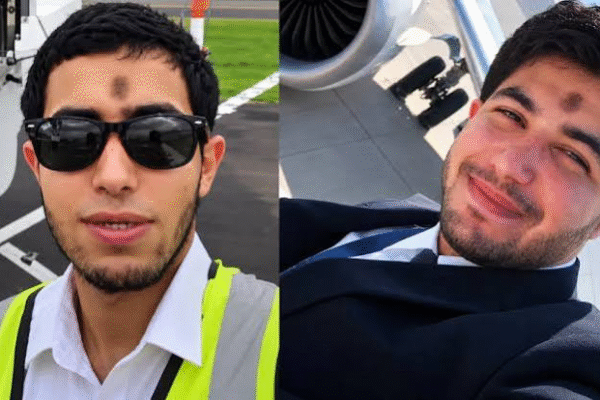
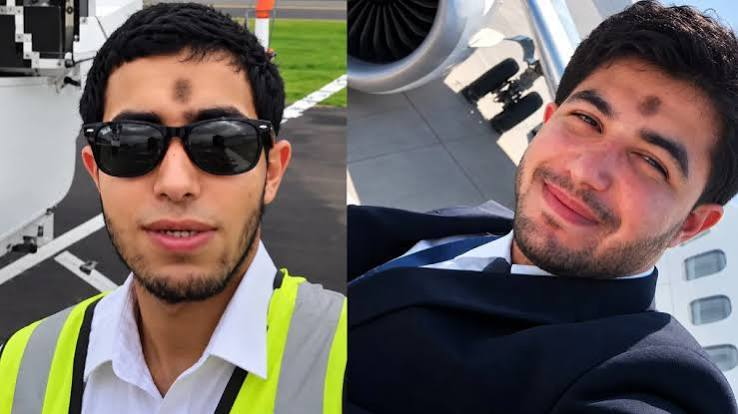
The Flydubai cockpit attack has taken a disturbing turn with reports that Omani co-pilot Hamam al-Hammami told Emirati interrogators that he wanted to carry out the attack as revenge for Gaza and wanted to die as a martyr.
The reported confession adds a possible ideological motive to an incident that could have ended in one of the world’s worst aviation disasters. On September 30, Flydubai Flight FZ1073 was flying from Dubai to Tel Aviv with more than 170 people aboard when al-Hammami allegedly attacked Indian Captain Smit Machchhar inside the cockpit. The aircraft plunged more than 16,000 feet in roughly 30 seconds before control was regained. The captain, passengers and off-duty pilots helped prevent a catastrophe, and the aircraft eventually made an emergency landing in Saudi Arabia.
A motive emerges — but questions remain
According to Israeli media reports, al-Hammami told UAE investigators that he carried out the attack “in revenge for Gaza” and wanted to die as a martyr. The reported statement has not been independently verified by Reuters, and investigators have not publicly released a full interrogation transcript. Israeli security officials are participating in the questioning as the investigation continues.
The reported confession nevertheless fits a broader line of inquiry already emerging around the suspect’s background.
Al-Hammami, an Omani national, had reportedly been barred from flying by Oman because of concerns about extremist views. Reports also indicate that he later worked for or sought employment with other airlines before joining Flydubai. Investigators are now examining how those earlier concerns were handled and whether information about him was adequately shared between aviation and security authorities.
The most alarming revelation is that investigators believe the attack may have been planned long before September 30.
Two Israeli officials familiar with the investigation told Reuters that al-Hammami said he had planned the attack before Flydubai hired him. Another source said he intended to crash the aircraft into Ben Gurion Airport near Tel Aviv. Investigators also believe he had considered hijacking an earlier flight to Tel Aviv but abandoned that plan.
If those accounts are confirmed, the case goes beyond an impulsive cockpit assault. It points towards an alleged long-term plan in which access to an airline cockpit may have been central to the intended attack.
Did he act alone?
This is now one of the most important unanswered questions. Investigators are examining al-Hammami’s phone, travel history and contacts to establish whether anyone recruited, encouraged or directed him. Israeli security officials are also examining his visits to several countries regarded as hostile to Israel. But so far, authorities have not publicly established a link to a terrorist organisation, foreign government or Iran. The current assessment reported by Israeli officials is that he probably acted independently.
That distinction is crucial. A stated ideological motive does not, by itself, establish that an outside organisation ordered the attack.
The investigation is therefore moving along two parallel tracks: understanding al-Hammami’s personal radicalisation and determining whether there was a wider network behind him.
The security failure behind the attack
Perhaps the biggest question is not only what motivated al-Hammami, but how he reached the cockpit of an international passenger aircraft despite earlier security concerns.
Israel has said passenger and crew information was shared before the flight, but no warning was raised that prevented al-Hammami from flying. At the same time, reports indicate that Oman had previously restricted his flying because of concerns about his views. That apparent disconnect has placed pilot vetting and international information-sharing under intense scrutiny.
Commercial aviation has traditionally placed enormous trust in pilots because they occupy a uniquely privileged position. A passenger can be screened before boarding, but a pilot is part of the security system itself.
The Flydubai incident therefore raises a difficult question for airlines worldwide: what happens when the person trusted to protect the cockpit becomes the threat inside it?
Captain Smit Machchhar’s actions, assisted by passengers and off-duty pilots, prevented a potential mass-casualty disaster. But the investigation cannot end with identifying the attacker.
It must determine how the warning signs were handled, whether the alleged Gaza motive was connected to a wider extremist network, and whether anyone else knew about or facilitated the plan.
For now, the reported confession provides a possible motive — revenge for Gaza and a desire for martyrdom — but it does not answer the most consequential question: was Hamam al-Hammami truly acting alone, or was someone behind the cockpit attack?

Prabha Gupta is a veteran journalist and civic thinker dedicated to the constitutional ideals of dignity and institutional ethics. With over thirty years of experience in public communication, her work serves as a bridge between India’s civil society and its democratic institutions. She is a prominent voice on the evolution of Indian citizenship, advocating for a national discourse rooted in integrity and the empowerment of the common citizen