



Flydubai Cockpit Attack: Who Is Hamam al-Hammami — and Who, If Anyone, Ordered Him?
The Flydubai cockpit attack has moved from a terrifying mid-air emergency to a deeper aviation-security investigation: Who is Hamam al-Hammami, and was he acting alone?
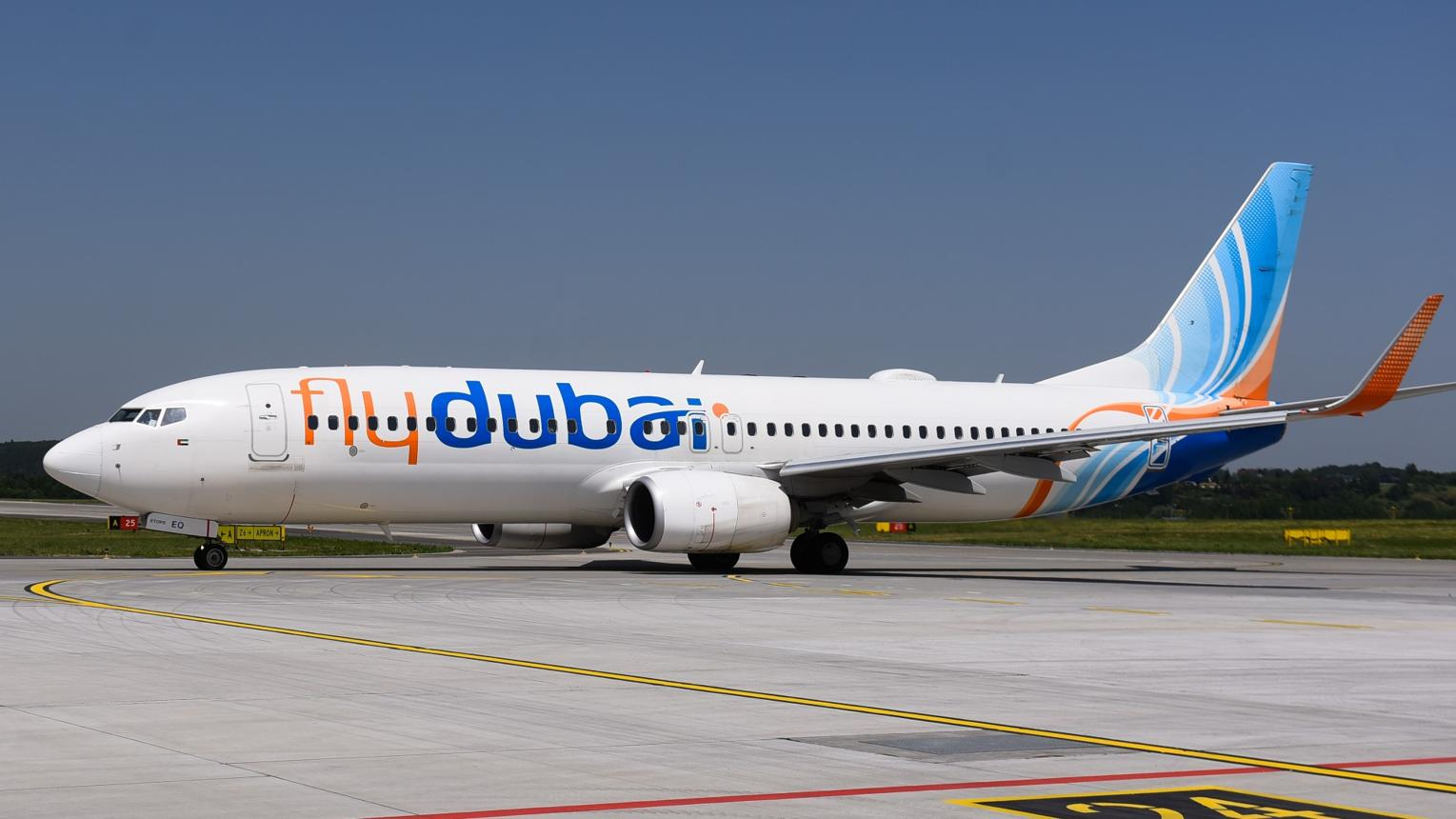
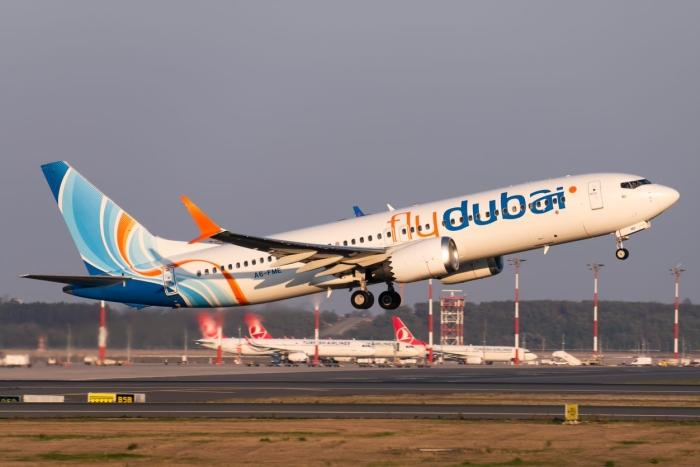
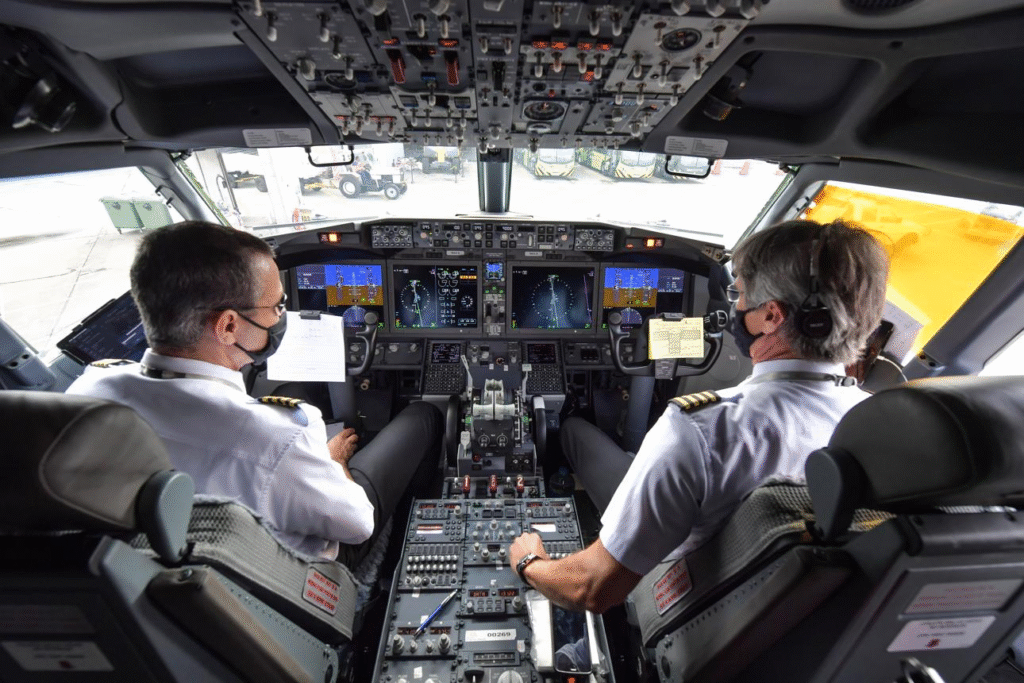
The 29-year-old Omani national is accused of attacking Indian Captain Smit Machchhar inside the cockpit of Flydubai Flight FZ1073 on September 30, as the Dubai-to-Tel Aviv flight was carrying more than 170 people. The aircraft plunged dramatically before passengers and crew managed to overpower the co-pilot. A reserve pilot subsequently helped land the aircraft safely in Tabuk, Saudi Arabia. The UAE Attorney General has described the incident as a terrorist act.
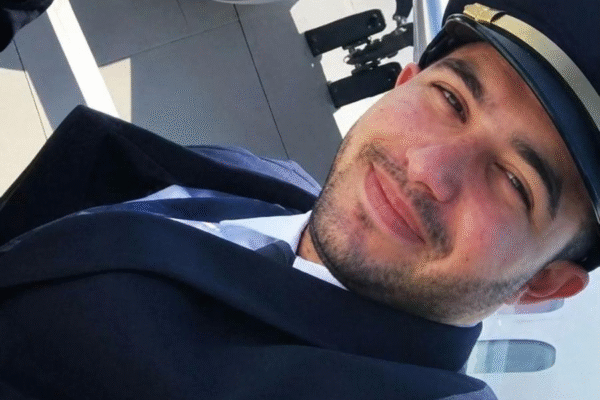
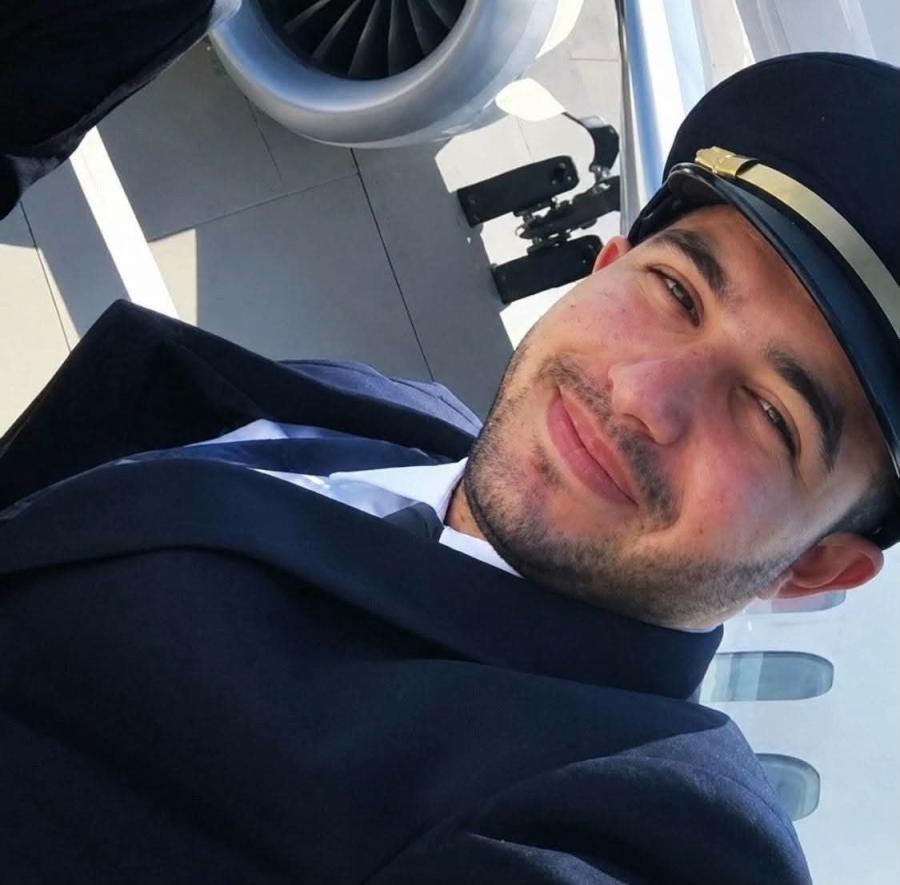
Who is Hamam al-Hammami?
Much of al-Hammami’s background has emerged through intelligence and security sources rather than official public records. Reports identify him as an Omani citizen who was born in the UAE to an Omani father and Syrian mother. He reportedly spent several years in the Emirates and also studied in Australia. Australian counterterrorism authorities are now examining his links to the country.
More significant are questions about his aviation career.
Al-Hammami reportedly worked with Oman Air and entered pilot training. According to officials cited by international media, Omani authorities became concerned about extremist material and online activity associated with him in 2024. He was reportedly removed from flying duties and moved to administrative work. Other reports say he subsequently underwent a deradicalisation programme.
He later had a brief association with Royal Air Maroc, although the airline has said he completed a three-month theoretical training period but was not selected for employment. He eventually joined Flydubai.
That sequence has created one of the most serious questions in the investigation: how did an individual reportedly considered a security concern in one country eventually obtain a cockpit position with another airline?
Was the attack pre-planned?
The latest development is particularly significant.
According to two Israeli officials familiar with the investigation, al-Hammami told UAE interrogators that he had planned the attack before Flydubai hired him. Another source briefed on the UAE investigation said he intended to crash the aircraft into Ben Gurion Airport near Tel Aviv.
Reuters also reported that investigators believe he had previously operated a flight to Tel Aviv and had considered hijacking and crashing that aircraft as well, although he did not carry out the plan at that time. The reason remains unclear. These claims have not yet been independently verified, and UAE authorities have not publicly announced formal charges against him.
If confirmed, this would fundamentally change the security implications of the incident. It would suggest that the airline job may not have been incidental to the alleged plot, but part of a longer-term plan.
So, who ordered him?
At present, there is no publicly established answer.
This is perhaps the most important distinction in the developing story. Investigators are examining whether al-Hammami had links to an extremist organisation or whether he was a lone actor. Israeli sources have told CNN that the evidence so far points toward him probably acting alone, and that investigators have not identified a connection to a foreign government or organised group.
That does not prove that nobody assisted, encouraged or influenced him. It simply means that no such connection has been established publicly at this stage.
Earlier statements by Israeli Prime Minister Benjamin Netanyahu referred to alleged Islamist radicalisation, but the precise nature and source of that radicalisation remain under investigation. There is also no established public evidence linking the attack to Iran or another state.
The bigger aviation-security question
The most disturbing aspect may ultimately be not who ordered the attack, but how the alleged attacker reached the cockpit in the first place.
Reports indicate that concerns about al-Hammami had surfaced during his earlier aviation career. Yet information apparently did not prevent him from subsequently obtaining employment with another airline and being assigned to an Israel-bound flight.
The incident therefore exposes a vulnerability that airport screening alone cannot solve. A passenger can be screened at the gate, but a pilot already authorised to enter the cockpit occupies a fundamentally different security position.
The Flydubai investigation now has to answer three questions: What did different countries know about al-Hammami? What did airlines know? And why did those pieces of information fail to connect before Flight FZ1073 took off?
Until investigators establish those answers, the question of who ordered Hamam al-Hammami remains open. But the emerging evidence suggests that the most important story may be the chain of warnings, missed signals and vetting failures that allowed the alleged plot to reach the cockpit at all.

NewsHasghag operates a 24/7 news bureau that tracks the real-time, social media-driven stories from India and around the world, keeping you ahead of the day’s key talking points. Our digital-first approach transforms storytelling through the seamless integration of data, interactive charts, video, and audio into every narrative