



India’s Urban Sanitation Crisis: Why the Last Mile Remains the Weakest Link in Waste Management
By Mr Nitin Kaushal, Managing Director, SFK Group of Companies
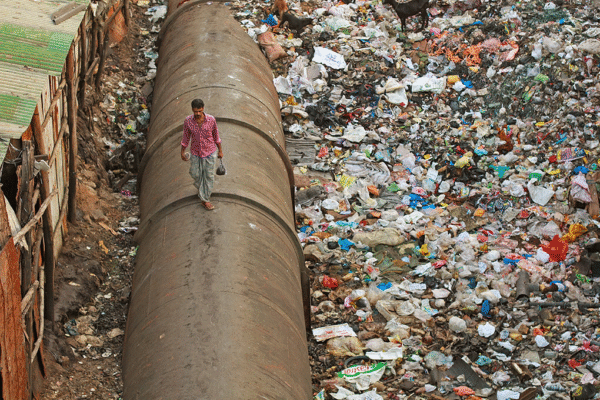
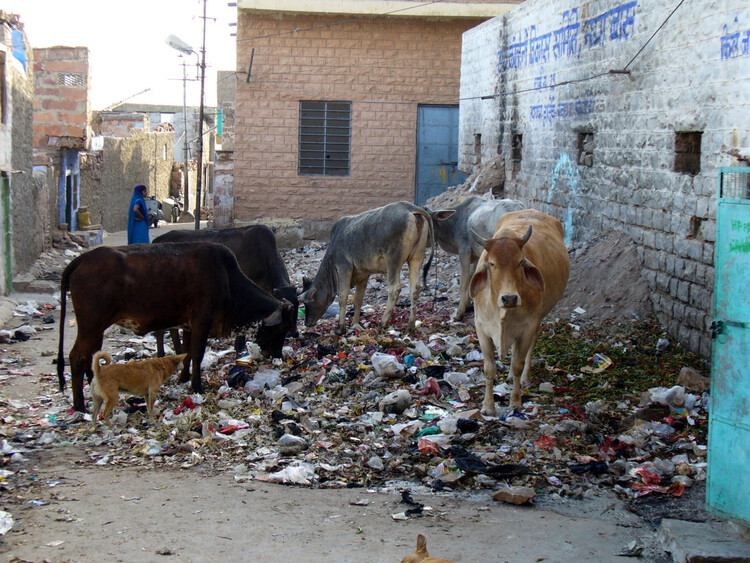
India’s cities are expanding at a pace that is increasingly outstripping the capacity of their sanitation systems. Every day, households, offices and commercial establishments generate vast quantities of waste that enter municipal collection networks designed to keep urban spaces clean. Yet, despite substantial investments in waste management and cleanliness programmes, overflowing bins, illegal dumping and deteriorating public spaces remain common sights. The problem is not always a lack of infrastructure or policy planning. More often, it lies in the failure of last-mile implementation—the critical stage at which policy commitments must translate into consistent, effective action on the ground.
The contradiction exposes a fundamental weakness in urban governance: while policies and infrastructure may be designed at the administrative level, their success depends on execution at the neighbourhood level. The last mile of waste management — from household collection to transportation, segregation and final processing — often determines whether a city’s sanitation system works or fails.
The growing gap between policy and implementation
Programmes such as the Swachh Bharat Mission have brought urban cleanliness and waste management into the national policy debate. Municipal bodies have expanded door-to-door collection, introduced segregation initiatives, established processing facilities and adopted digital monitoring systems.
Yet implementation remains uneven. A collection model that works efficiently in a planned residential colony may struggle in a densely populated settlement with narrow lanes, limited access for vehicles and inadequate waste-collection points.
Informal settlements, congested markets and rapidly expanding urban fringes often face service gaps. In several locations, municipal infrastructure has not kept pace with population growth and changing patterns of consumption. The result is a system in which waste may be collected in one neighbourhood but remain unattended in another.
This uneven delivery also raises questions about municipal capacity, contractor accountability and the quality of local planning.
Segregation fails when the collection chain breaks
Waste segregation at source is central to effective urban sanitation. Separating wet, dry and domestic hazardous waste makes recycling, composting and scientific disposal more practical. However, public participation alone cannot guarantee success.
In many neighbourhoods, residents complain that separately collected waste is eventually mixed during transportation. Such practices weaken public confidence and discourage households from continuing segregation.
The problem is therefore not merely a lack of awareness. Citizens need predictable collection schedules, separate collection arrangements and visible evidence that segregated waste is being processed appropriately. Without these conditions, behavioural change campaigns are unlikely to produce lasting results.
Technology needs an effective response system
GPS-enabled collection vehicles, digital dashboards, smart bins and mechanised processing facilities are changing the way cities approach sanitation. These technologies can improve monitoring, identify service gaps and make municipal operations more accountable.
However, technology cannot substitute for administrative response. A digital dashboard may identify an overflowing garbage point, but unless a responsible team is deployed to clear it, monitoring produces little improvement in public hygiene.
Similarly, modern waste-processing plants cannot operate efficiently without a consistent supply of properly segregated waste, reliable transportation and adequate maintenance. Environmental technologies, including pollution-control and air-treatment systems, can complement these efforts, but they cannot compensate for weaknesses in basic waste collection and disposal.
Sanitation workers remain central to the system
The contribution of sanitation workers is often overlooked in discussions about smart cities and modern infrastructure. These workers perform physically demanding tasks while frequently facing occupational hazards, inadequate protective equipment and limited access to training and mechanised tools.
Improving sanitation outcomes requires investment in the people who deliver these services. Protective gear, regular health checks, appropriate equipment, training and clearly defined responsibilities must become essential components of municipal sanitation planning.
A city cannot claim to have a modern waste-management system if the workers operating it continue to face unsafe conditions.
Moving beyond infrastructure-led solutions
India’s urban sanitation strategy needs to shift from measuring infrastructure creation to evaluating actual service delivery. Municipal authorities must develop neighbourhood-specific collection plans, strengthen supervision of contractors and ensure regular maintenance of vehicles and processing facilities.
Decentralised waste treatment can reduce transportation costs and pressure on distant disposal sites. Better coordination between collection teams, transfer stations and processing plants can also prevent waste from accumulating at intermediate points.
Ultimately, the performance of a city’s sanitation system should not be judged only by the number of vehicles purchased, processing plants inaugurated or digital platforms introduced. It should be measured by whether garbage is collected on schedule, streets remain clean, waste is segregated and safely processed, and sanitation workers operate in dignified conditions.
India’s urban cleanliness ambitions will depend on closing the gap between policy and practice. The real test of waste management is not how impressive a system looks on paper, but whether it works consistently in the everyday lives of citizens.

NewsHasghag operates a 24/7 news bureau that tracks the real-time, social media-driven stories from India and around the world, keeping you ahead of the day’s key talking points. Our digital-first approach transforms storytelling through the seamless integration of data, interactive charts, video, and audio into every narrative