


CIA Involvement Nepal Unrest: Lucky Bisht Makes Explosive Claim
A report iIn a report published by DNA India has made headlines with explosive claims from former Indian spy and National Security Guard (NSG) officer Lucky Bisht. He alleges that the United States’ Central Intelligence Agency (CIA) is actively involved in Nepal’s political unrest.
Why the Claims Are Believable and Risky
Claims like those by Bisht gain traction partly because geopolitical interference is not unheard of. Both India and the U.S. have historical influence in Nepal. U.S. aid projects such as the Millennium Challenge Corporation funding show American involvement in development. Some past decisions—like Maoist peace processes, border issues—have had foreign policy implications.
Moreover, people often sense shifts in Nepal’s policy balancing between major neighbors and powers. These perceptions feed narratives that foreign intelligence is pulling strings.
However, believing the CIA involvement claim too readily is risky. Without solid documentation, such claims can mislead public opinion. They may delegitimize genuine domestic protests. They can also strain diplomatic relationships without proof. Analysts warn that confirmation bias often propels these stories forward. Also, media misreporting of video timing undermines credibility.
A Pattern of Destabilization?
Speaking to Times Now, Bisht stated that the CIA has a long history of influencing governments across the globe. In fact, he claims the agency has orchestrated regime changes in more than 60 countries.
This time, he suggests, the agency is fueling Gen Z–led protests in Nepal to install a government more aligned with U.S. interests. According to Bisht, while the Nepalese people traditionally support stronger ties with India, the next prime minister is expected to favor Washington over New Delhi.
Despite the seriousness of these allegations, Bisht is confident. He even states that “100 percent” of the unrest is CIA-backed and claims to possess proof, which he says he’s ready to release if necessary.
Unrest or External Interference?
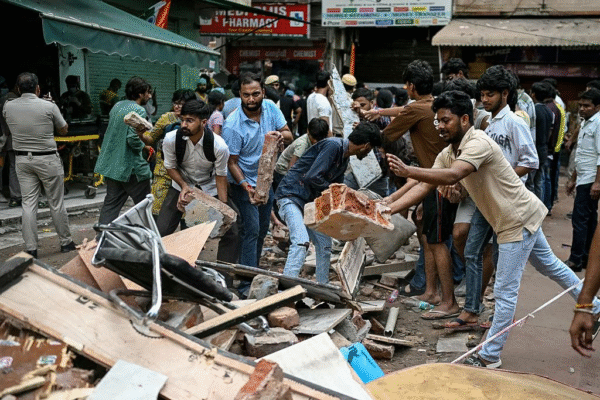
Nepal’s youth-driven protests, largely focused on internet bans, censorship, and economic frustration, have shaken the political establishment. While these issues are undeniably domestic in nature, Bisht believes they’re being amplified by external forces.
His narrative has gained traction online, especially among users skeptical of U.S. influence in South Asia. However, fact-checkers have urged caution. For instance, a video of Bisht allegedly predicting Nepal’s government fall within “10–15 days” was found to have been recorded in December 2024—well before the current crisis. This undermines the claim that he “predicted” recent events.
In a follow-up clarification, Bisht himself acknowledged the timing of the video but maintained his stance on foreign interference.

Prabha Gupta is a veteran journalist and civic thinker dedicated to the constitutional ideals of dignity and institutional ethics. With over thirty years of experience in public communication, her work serves as a bridge between India’s civil society and its democratic institutions. She is a prominent voice on the evolution of Indian citizenship, advocating for a national discourse rooted in integrity and the empowerment of the common citizen