

Will India-US Relations Head for a New Chapter?
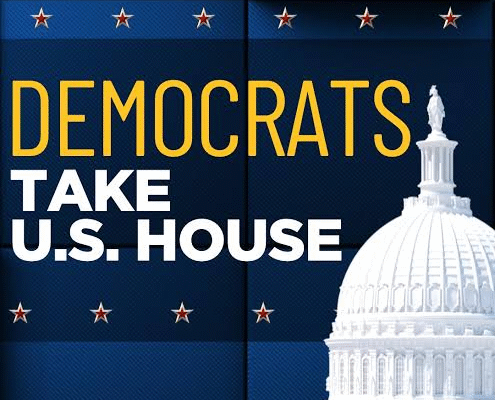
The Democratic Party’s victory in the 2026 US midterm elections has fundamentally changed the political balance in Washington. By taking control of both the House of Representatives and the Senate, Democrats have delivered a major setback to President Donald Trump and placed significant limits on his ability to push his legislative agenda through Congress.
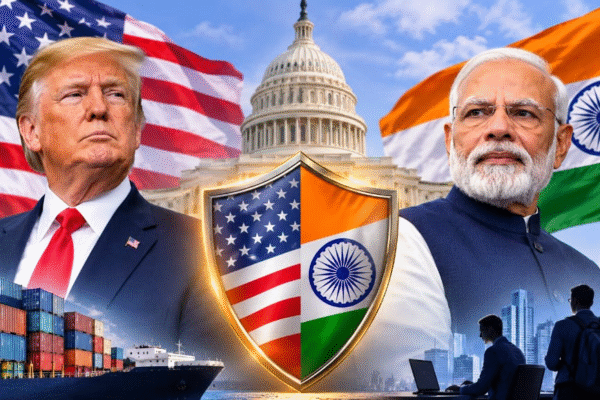
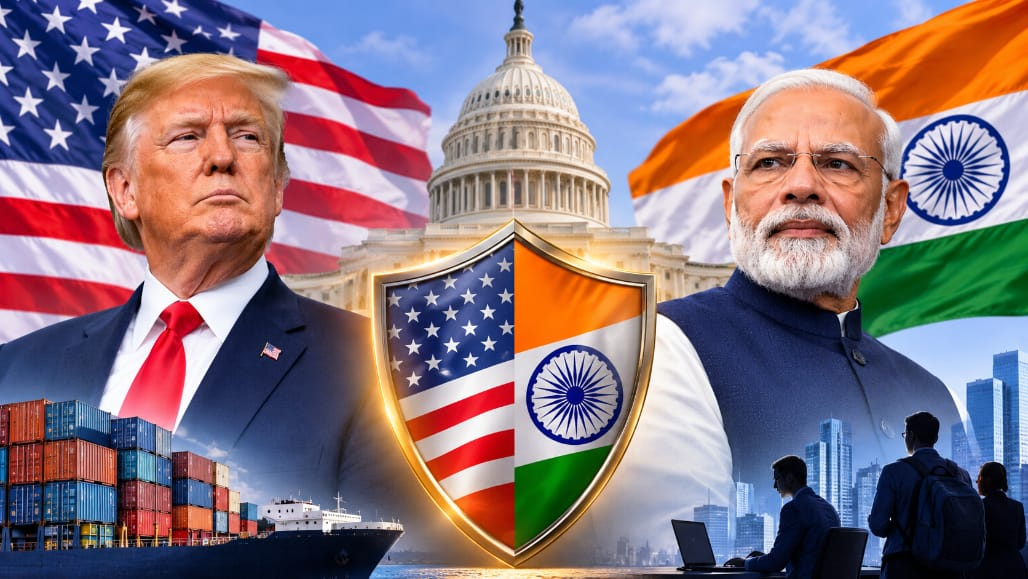
For India, the outcome carries important economic, diplomatic and strategic implications. However, a Democratic majority does not necessarily mean an immediate change in American policy towards New Delhi. Instead, it could create a more complicated political environment in which trade, immigration, defence cooperation and regional security receive greater scrutiny.
Trade and tariffs: A possible opening for India
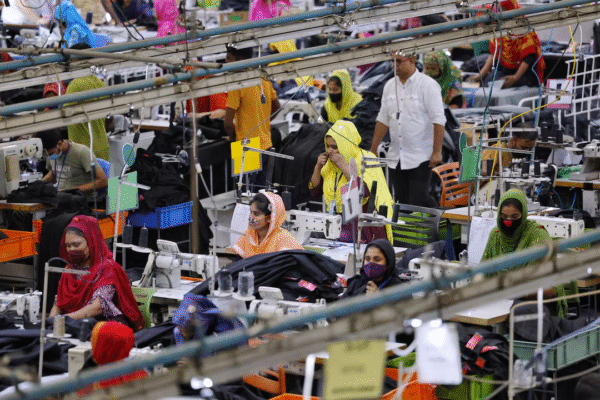
Trade is likely to be among the first areas India will monitor. Trump’s tariff policies have created uncertainty for Indian exporters, particularly in sectors dependent on access to the American market. A Democratic-controlled Congress could increase pressure on the administration to reconsider the economic consequences of aggressive tariff measures.
This may give Indian negotiators additional room to seek more predictable trade arrangements. However, Congress cannot independently dictate every aspect of tariff policy. The president retains important executive powers, and any legislative attempt to restrict those powers could face a political confrontation.
For Indian businesses, the immediate priority will remain clarity on tariffs, market access and the future of bilateral trade negotiations.
H-1B visas and Indian professionals
Immigration is another major concern for India. Thousands of Indian technology professionals depend on the H-1B visa programme, while many others face lengthy waits for employment-based green cards.
Democrats may use their congressional majority to question restrictive immigration measures and push for reforms to address visa backlogs. They could also examine policies that increase the financial burden on employers hiring foreign professionals.
Nevertheless, a change in Congress does not automatically translate into easier visa approvals. Immigration enforcement and day-to-day visa processing remain largely under the control of the Trump administration. Any substantial reform to employment-based immigration would require legislative action and agreement across political institutions.
Defence and strategic cooperation
India and the United States have steadily expanded defence cooperation, particularly in the Indo-Pacific, maritime security, technology and military exercises. This relationship has developed across successive administrations and enjoys support among lawmakers from both political parties.
A Democratic-controlled Congress could maintain support for strategic cooperation while demanding greater scrutiny of defence spending, arms transfers and regional security commitments.
For India, the larger challenge will be ensuring that its strategic partnership with Washington remains insulated from domestic political disputes. Cooperation on critical technologies, defence manufacturing and supply-chain resilience will continue to be important.
More scrutiny of Trump’s foreign policy
The Democratic victory could also bring congressional investigations and hearings into the administration’s foreign policy decisions, including its approach to Iran and the wider Middle East.
This matters to India because instability in the region affects energy prices, trade routes and the safety of Indian citizens working in Gulf countries. New Delhi will be particularly concerned about any escalation that threatens oil supplies or disrupts shipping through strategically important waterways.
However, Congress does not automatically take control of American foreign policy. The president retains substantial executive authority, although lawmakers can influence policy through legislation, funding and oversight.
A more complex Washington for New Delhi
The election results present India with both opportunities and uncertainties. A Congress more willing to question Trump’s tariff and immigration policies could create additional negotiating space for New Delhi. At the same time, political confrontation between the White House and Congress could delay decisions affecting trade, technology and defence cooperation.
India will also need to maintain constructive relations with both Democrats and Republicans rather than aligning itself too closely with one political camp.
Ultimately, the Democratic victory is not a verdict on India-US relations. It is a change in the balance of power within Washington. For New Delhi, the task will be to protect its economic interests, sustain strategic cooperation and navigate an American political system that may become considerably more contentious over the next two years.

Prabha Gupta is a veteran journalist and civic thinker dedicated to the constitutional ideals of dignity and institutional ethics. With over thirty years of experience in public communication, her work serves as a bridge between India’s civil society and its democratic institutions. She is a prominent voice on the evolution of Indian citizenship, advocating for a national discourse rooted in integrity and the empowerment of the common citizen