



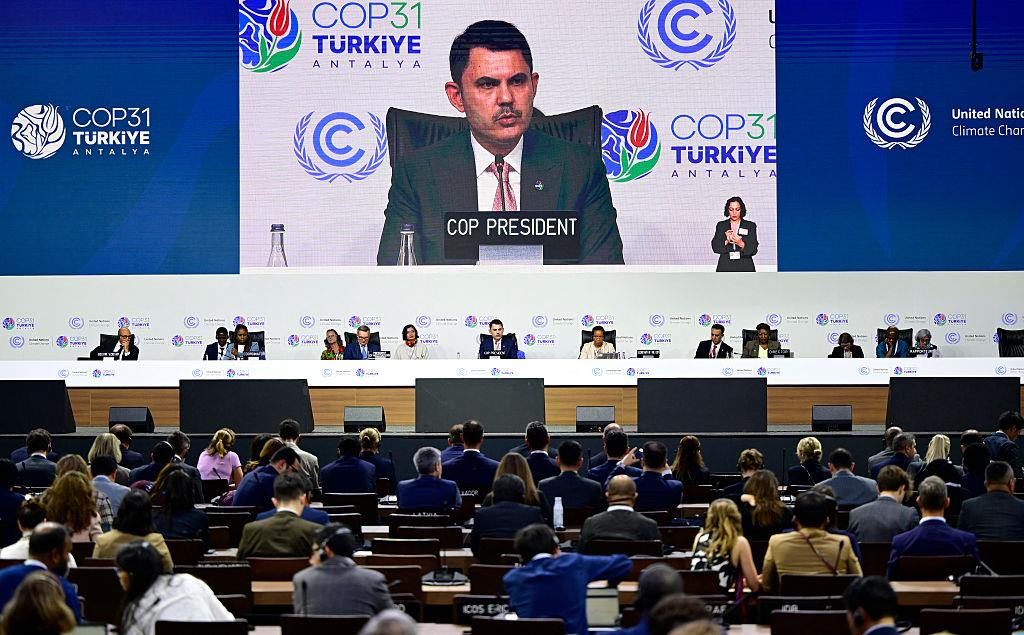
COP31 Ends Without a Climate Deal: Deep Divisions Over Climate Finance and Fossil Fuels Expose Global Failure
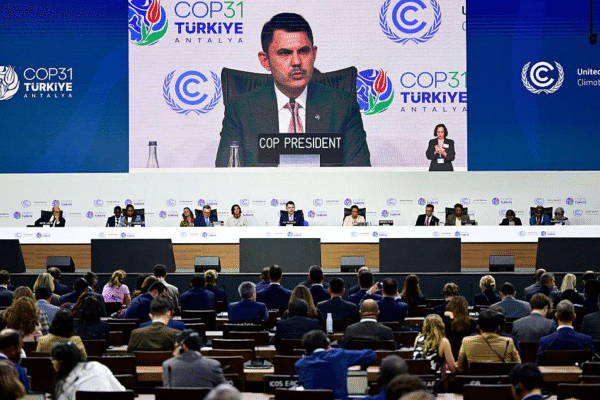
The 31st United Nations Climate Change Conference (COP31), held in Antalya, Türkiye, has ended without an overarching political agreement, exposing deep divisions among countries over climate finance, fossil fuel consumption and the responsibilities of developed and developing nations in tackling global warming.
The summit, which continued for two weeks and extended two days beyond its scheduled closing, concluded on November 22, 2026, without consensus on the proposed Antalya Pact. The failure marks a significant setback for international climate diplomacy at a time when the effects of climate change are becoming increasingly visible across the world.
UN Secretary-General António Guterres expressed deep disappointment over the outcome, saying governments had failed to reach consensus despite the urgency of the climate crisis. However, the absence of a final political agreement does not undo existing commitments under the Paris Agreement or earlier climate decisions.
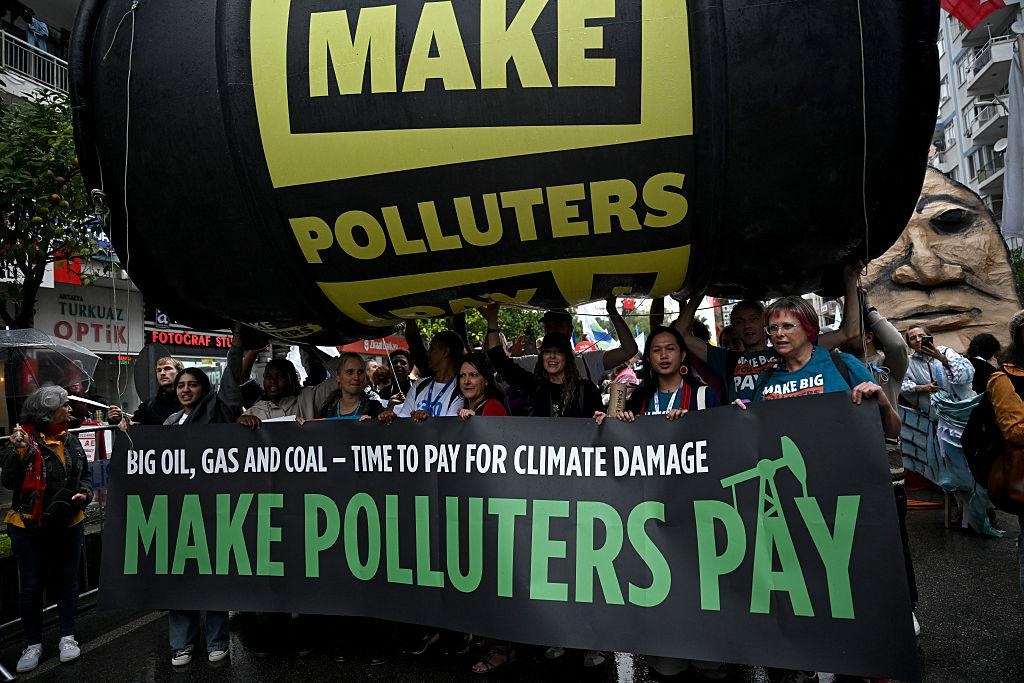
Fossil fuels emerge as the biggest obstacle
The most contentious issue at COP31 was whether the final agreement should explicitly call for moving away from fossil fuels, including coal, oil and natural gas.
More than 130 countries supported including a clear reference to transitioning away from fossil fuels. They argued that meaningful climate action would remain impossible without reducing dependence on the energy sources primarily responsible for greenhouse gas emissions.
However, major oil-producing countries, particularly Saudi Arabia and its allies, resisted such language. They argued that countries should retain the freedom to determine their own energy policies and decide how to meet their development and energy requirements.
The disagreement became particularly difficult when successive drafts of the proposed agreement removed references to phasing out fossil fuels. The final text failed to provide the explicit commitment sought by climate-vulnerable countries and several developed nations.
The European Union strongly objected to an agreement that did not mention fossil fuels, arguing that it failed to reflect the seriousness of the climate emergency. Panama and other countries also criticised the proposed outcome for falling short of the action required to limit global warming.
Climate finance: The widening divide between rich and poor nations
Climate finance was another major source of disagreement. Developing countries have repeatedly argued that wealthy industrialised nations, which contributed disproportionately to historical greenhouse gas emissions, must provide financial assistance to poorer countries facing the worst consequences of climate change.
These funds are essential for building flood defences, protecting agricultural systems, developing climate-resilient infrastructure, improving water security and preparing communities for extreme weather events.
Developing nations wanted stronger financial commitments, particularly for climate adaptation and loss and damage. They also sought progress towards tripling adaptation finance, including a proposed target of $120 billion annually by 2035.
However, negotiations failed to produce substantial new financial commitments. The discussions largely resulted in procedural decisions, with countries agreeing to continue negotiations on the climate finance work programme until 2028.
For vulnerable nations, this was a major disappointment. They fear that without predictable and adequate financial support, climate commitments will remain largely theoretical.
The African Group also expressed concerns over the limited progress on climate finance, loss and damage and just transition.
Carbon capture: A solution or a distraction?
Another contentious issue was the growing emphasis on carbon capture and storage (CCS) technologies.
These technologies are designed to capture carbon dioxide emissions from industrial facilities and power plants before they enter the atmosphere, allowing the captured carbon to be stored underground or used in industrial processes.
Countries supporting the technology argue that it can contribute to reducing emissions, particularly in industries where eliminating fossil fuel use is difficult.
However, environmental organisations and climate activists warn that excessive reliance on carbon capture could allow fossil fuel producers to continue expanding oil and gas operations instead of making the necessary transition towards renewable energy.
Critics also question the cost, scalability and long-term effectiveness of these technologies.
The disagreement reflects a larger debate over whether technological solutions can complement rapid emissions reductions or become an excuse for delaying them.
Some progress despite the failure
Despite the absence of an overarching political agreement, COP31 was not entirely without achievements. Countries adopted 46 separate decisions, including progress on just transition and other areas of climate cooperation.
Nearly 100 countries also supported a voluntary initiative to increase electricity’s share of final energy consumption to 35 per cent by 2035.
Discussions on adaptation, electrification, clean energy investment and climate resilience also continued. These developments indicate that international climate cooperation has not completely stalled, even though consensus on the most politically sensitive issues remains elusive.
The challenge ahead
The failure of COP31 raises serious questions about the effectiveness of international climate negotiations. Every year, governments assemble to discuss emissions reduction targets, financial assistance and sustainable development. Yet, competing economic interests, energy security concerns and geopolitical tensions frequently prevent countries from agreeing on ambitious measures.
The consequences are particularly serious for developing countries, which often have fewer financial resources to respond to floods, droughts, heatwaves and rising sea levels.
The scientific warning is equally concerning. The world remains on course to exceed the Paris Agreement’s 1.5°C warming threshold, increasing the risks of extreme weather events and irreversible environmental damage.
Attention will now shift to COP32, scheduled to take place in Addis Ababa, Ethiopia, where governments will once again face unresolved questions about fossil fuels, climate finance and international responsibility.
Ultimately, COP31 has exposed a fundamental contradiction in global climate diplomacy: while countries increasingly acknowledge the urgency of climate change, they remain divided over who should pay, who should reduce emissions and how quickly the global energy system should change.
The climate crisis, however, will not wait for governments to reach a political compromise.

NewsHasghag operates a 24/7 news bureau that tracks the real-time, social media-driven stories from India and around the world, keeping you ahead of the day’s key talking points. Our digital-first approach transforms storytelling through the seamless integration of data, interactive charts, video, and audio into every narrative