

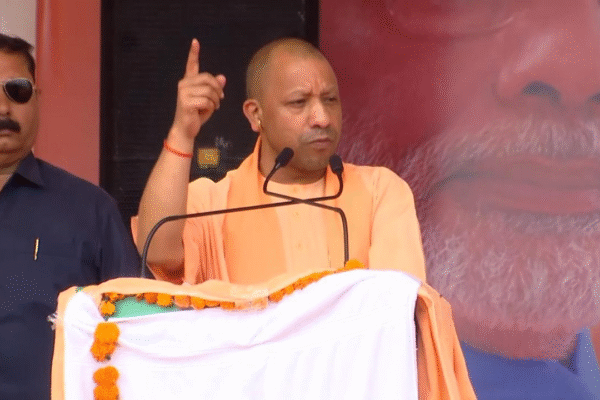
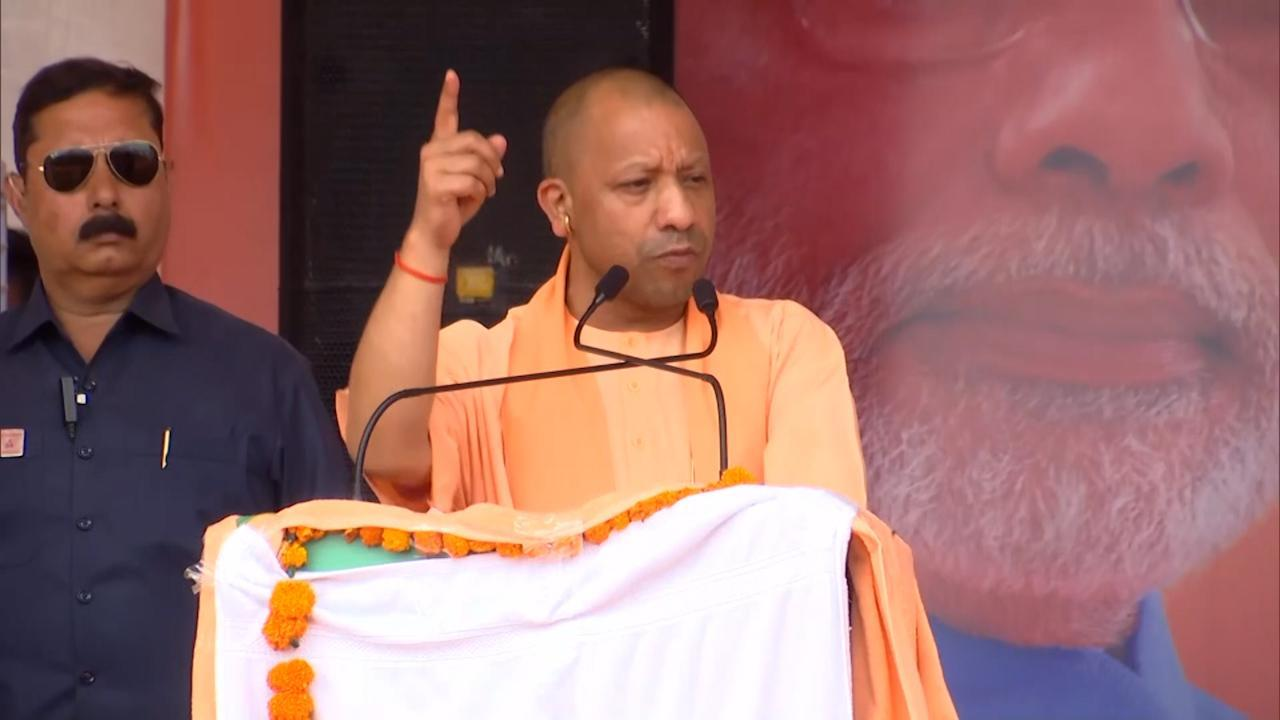
Lucknow: With the 2027 Uttar Pradesh Assembly elections approaching, the BJP government led by Chief Minister Yogi Adityanath is considering a massive financial assistance scheme targeting women from economically weaker households. The proposed initiative could cover approximately 3.64 crore Below Poverty Line (BPL) families, with one woman from each household receiving a total of ₹20,000 in two instalments of ₹10,000 each.
If implemented across the reported beneficiary base, the scheme could place a financial burden of approximately ₹72,800 crore on the state exchequer. The proposal is being seen as a significant political and welfare initiative ahead of an election in which women voters could play a decisive role.
According to media reports, the government is preparing to release the first instalment in December 2026, while the second instalment would follow under the proposed scheme. However, the government has not officially announced the scheme, and its final structure, eligibility conditions and payment schedule remain unconfirmed.
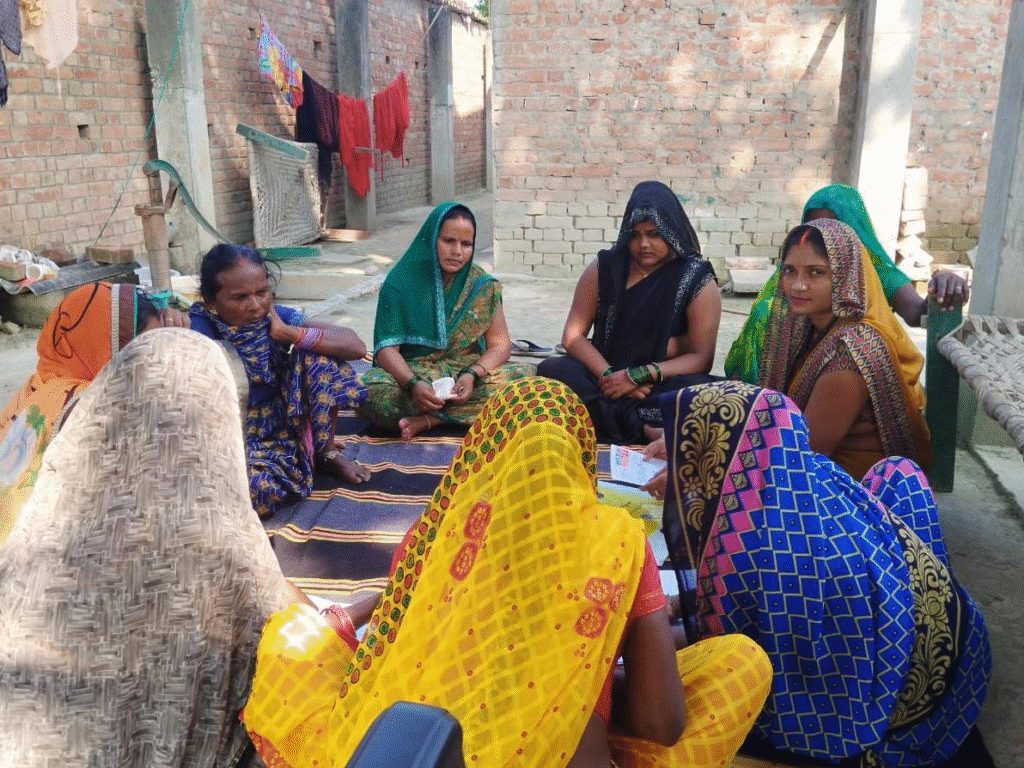
Why is BJP focusing on women voters?
Women constitute nearly half of Uttar Pradesh’s electorate, making them an increasingly important constituency for political parties. According to the final electoral roll published in April 2026, the state has approximately 13.39 crore registered voters, including 6.09 crore women, accounting for 45.46 per cent of the electorate.
Political parties have increasingly recognised that women are no longer merely passive beneficiaries of government welfare programmes but an influential voting group capable of shaping electoral outcomes.
The BJP has been emphasising welfare delivery, women’s safety, financial inclusion and economic empowerment as important components of its political strategy. A direct cash transfer programme targeting low-income households would provide the government with another opportunity to strengthen its outreach among women before the 2027 elections.
Bank account verification underway
Reports suggest that the government is prioritising the verification of Jan Dhan bank accounts linked to potential beneficiaries. Nearly 80 per cent of the reported verification process has reportedly been completed.
The proposed assistance is intended to help women establish small businesses, become self-employed or join self-help groups (SHGs) to improve their household incomes.
However, several questions remain unanswered. These include the final definition of eligible BPL households, the selection process, whether existing beneficiaries of other government schemes will qualify and the conditions attached to the financial assistance.
Until a formal government notification is issued, the proposed scheme should not be treated as an approved entitlement.
Opposition raises the stakes
The proposed scheme has also intensified the political debate over financial assistance to women.
Samajwadi Party president Akhilesh Yadav has already announced that if his party returns to power in Uttar Pradesh, it will provide women with ₹40,000 annually, with the amount increasing every year.
Yadav has criticised the BJP’s reported ₹20,000 proposal, questioning why the government is considering such assistance only ahead of the elections.
His announcement indicates that women’s financial assistance could become a major issue in the coming electoral contest, with political parties competing to offer larger and more attractive welfare commitments.
The emerging contest also reflects a broader national trend. Cash assistance programmes for women have become important electoral promises in states such as Maharashtra, Karnataka, Haryana and West Bengal.
Welfare or electoral strategy?
The proposed ₹72,800-crore financial commitment raises important questions about the state’s fiscal priorities and the long-term sustainability of direct cash transfers.
Financial assistance can provide immediate relief to economically vulnerable women, particularly those without independent sources of income. It can also help women meet household expenses or invest in small livelihood activities.
However, financial transfers alone cannot guarantee economic independence. Sustainable empowerment requires access to education, healthcare, employment opportunities, vocational training, affordable credit and markets for women’s products.
The government will also need to explain how such a large expenditure would be financed without compromising other development priorities.
For the BJP, the proposal could become an important component of its campaign narrative in 2027. For the opposition, it offers an opportunity to question the timing, adequacy and long-term impact of the government’s welfare commitments.
Ultimately, the significance of the proposed scheme will depend not merely on the amount transferred but on whether it creates lasting economic opportunities for women.
As Uttar Pradesh moves towards another high-stakes Assembly election, women’s votes are emerging as a crucial political battleground. Whether the proposed cash assistance translates into electoral support or becomes another subject of political contest will become clearer in the months ahead.

NewsHasghag operates a 24/7 news bureau that tracks the real-time, social media-driven stories from India and around the world, keeping you ahead of the day’s key talking points. Our digital-first approach transforms storytelling through the seamless integration of data, interactive charts, video, and audio into every narrative