



Uttarakhand Chopper Crash: What Caused the Joshimath Tragedy and Why Himalayan Aviation Safety Needs Urgent Attention
The chopper crash near Joshimath in Uttarakhand’s Chamoli district has once again raised serious questions about aviation safety in the Himalayan region. The accident on October 30, 2026, claimed six lives, including the pilot and five passengers travelling from Badrinath to Dehradun. As investigators examine the wreckage, weather conditions and flight operations, the central question remains: what exactly caused the chopper to crash?
As of October 31, the precise cause has not been officially established. However, adverse weather, poor visibility, mountainous terrain and possible technical or operational failures are among the factors investigators are expected to examine. The distinction between suspected contributing factors and a confirmed cause is essential to understanding the tragedy.
What happened near Joshimath?
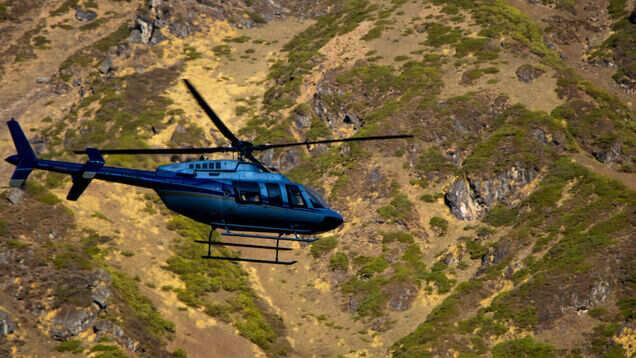
The chopper, operated by Trans Bharat Aviation, was an Airbus AS350B3, registered as VT-HCX. It departed from Badrinath’s helipad at approximately 1:14 pm on Friday, bound for the Sahastradhara helipad in Dehradun.
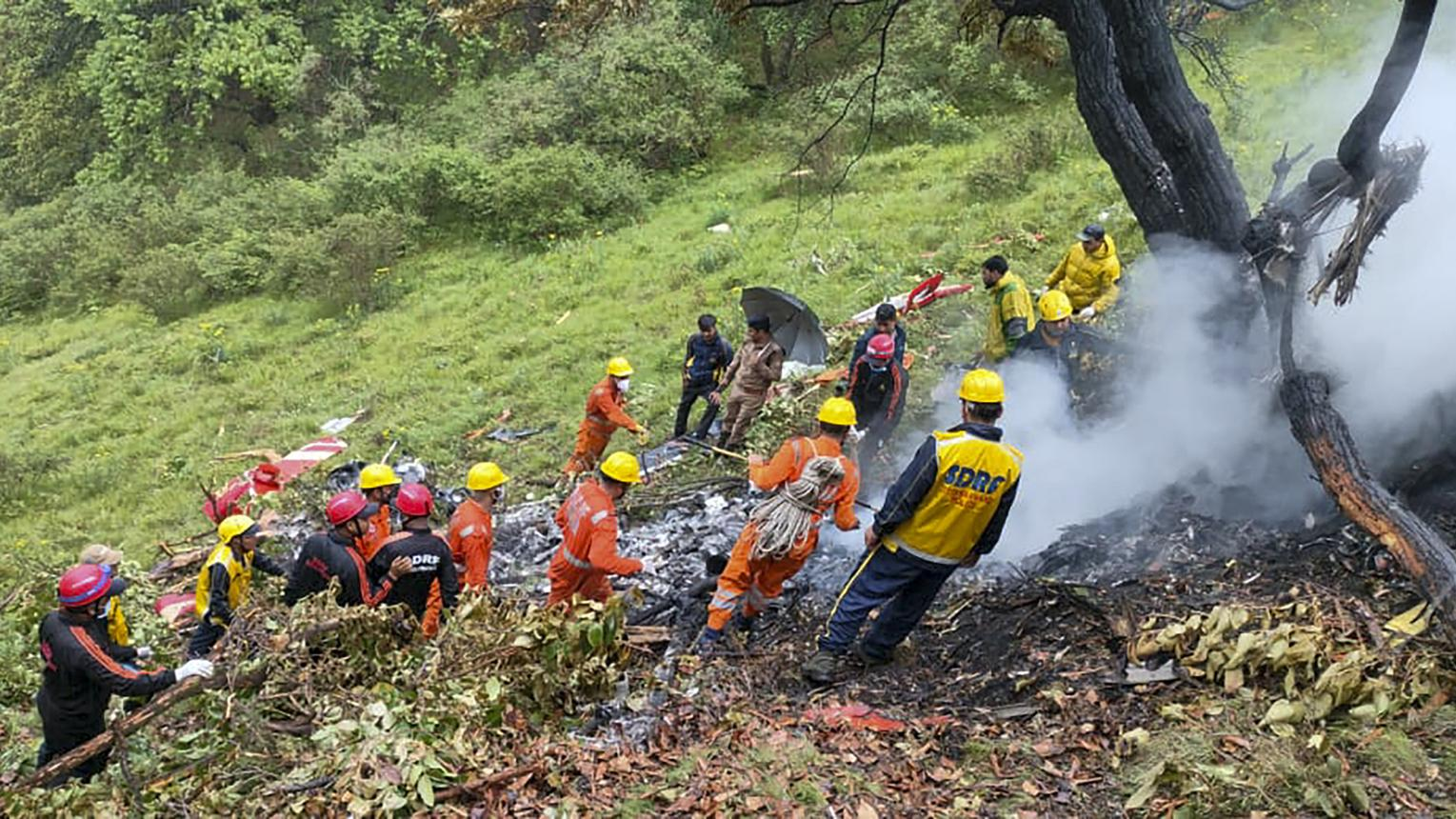
The aircraft lost communication while flying across the Joshimath valley. Its wreckage was subsequently located in a forested area near Chai village, where the chopper had crashed into a hillside. All six people on board died.
Rescue teams faced difficult terrain while reaching the crash site. The accident prompted the Directorate General of Civil Aviation (DGCA) to dispatch a team for a preliminary regulatory assessment, while the Aircraft Accident Investigation Bureau (AAIB) initiated an investigation into the circumstances surrounding the crash.
Was bad weather responsible?
Weather is one of the most significant factors requiring investigation.
The India Meteorological Department had issued an orange alert for Chamoli on October 30, warning of thunderstorms, lightning, hail and gusty winds reaching 40–50 kilometres per hour in isolated areas. Rainfall was forecast across the district, with rain and snowfall possible along the Badrinath–Joshimath route. Contemporary reports also described overcast conditions in the region.
Mountain weather can change rapidly. A flight that begins under acceptable conditions may encounter cloud cover, precipitation, turbulence or deteriorating visibility within minutes.
In narrow Himalayan valleys, reduced visibility can make it difficult for pilots to maintain visual awareness of surrounding terrain. Strong winds can also affect a chopper’s stability and handling, particularly near mountain slopes and ridgelines.
However, the existence of a weather alert does not prove that weather caused this particular accident. Investigators must establish the actual conditions along the aircraft’s flight path at the relevant time and determine whether those conditions contributed to the crash.
Could a technical fault or human error have played a role?
Mechanical failure and operational factors remain open questions. Investigators are expected to examine the chopper’s maintenance records, available flight-recording equipment, pilot experience, flight history and compliance with aviation regulations.
A mechanical malfunction could potentially affect engine performance, rotor operation or flight control. Operational factors could include route selection, weather assessment, decision-making and adherence to established procedures. These are investigative possibilities, not confirmed explanations for the Joshimath crash.
The investigation must also establish whether the chopper was operating within its authorised limits and whether all required pre-flight and safety checks were completed.
A recurring problem on Char Dham routes
The accident has renewed concerns about chopper operations serving Uttarakhand’s pilgrimage destinations.
An Aircraft Accident Investigation Bureau report covering the Char Dham sector between 2015 and 2025 recorded eight chopper accidents and one serious incident. Five of the eight accidents were fatal. The report also highlighted flight crews’ non-adherence to standard operating procedures as a factor in several previous accidents. These findings warrant scrutiny, although they do not establish that the same factors caused the latest crash.
Choppers provide valuable access to remote shrines and difficult-to-reach areas. Yet commercial pressure, demanding schedules and unpredictable weather can create safety challenges if operational restrictions are not strictly observed.
What needs to change?
The tragedy calls for a thorough investigation and stronger preventive measures. Operators must ensure that pilots have the authority to delay or cancel flights when weather conditions deteriorate, without pressure to maintain schedules.
Regulators should review weather-monitoring arrangements, route-specific operating procedures, maintenance compliance and the enforcement of safety standards across pilgrimage services. Public reporting of investigation findings and implementation of safety recommendations are equally important.
The real measure of accountability will be whether the findings lead to practical changes that prevent another avoidable loss of life in the Himalayas.

NewsHasghag operates a 24/7 news bureau that tracks the real-time, social media-driven stories from India and around the world, keeping you ahead of the day’s key talking points. Our digital-first approach transforms storytelling through the seamless integration of data, interactive charts, video, and audio into every narrative