




Twisha Took Abortion Pill, Claims Mother-in-Law As Death Mystery Deepens
Can A Successful Model Still Become A Victim Of Dowry Harassment? The Twisha Sharma Case Raises Uncomfortable Questions
The question has gained significance after Twisha’s mother-in-law, retired judge Giribala Singh, publicly claimed that Twisha consumed marijuana, took drugs, and had allegedly taken a Medical Termination of Pregnancy (MTP) pill before her death. These allegations have dramatically altered public perception of the case, with social media sharply divided between those who see Twisha as a victim and those who believe the marital family’s version deserves equal consideration.
Yet legal experts and women’s rights activists warn that such framing may oversimplify the realities of domestic abuse and dowry-related violence in India.
Does Financial Independence Protect Women From Dowry Pressure?
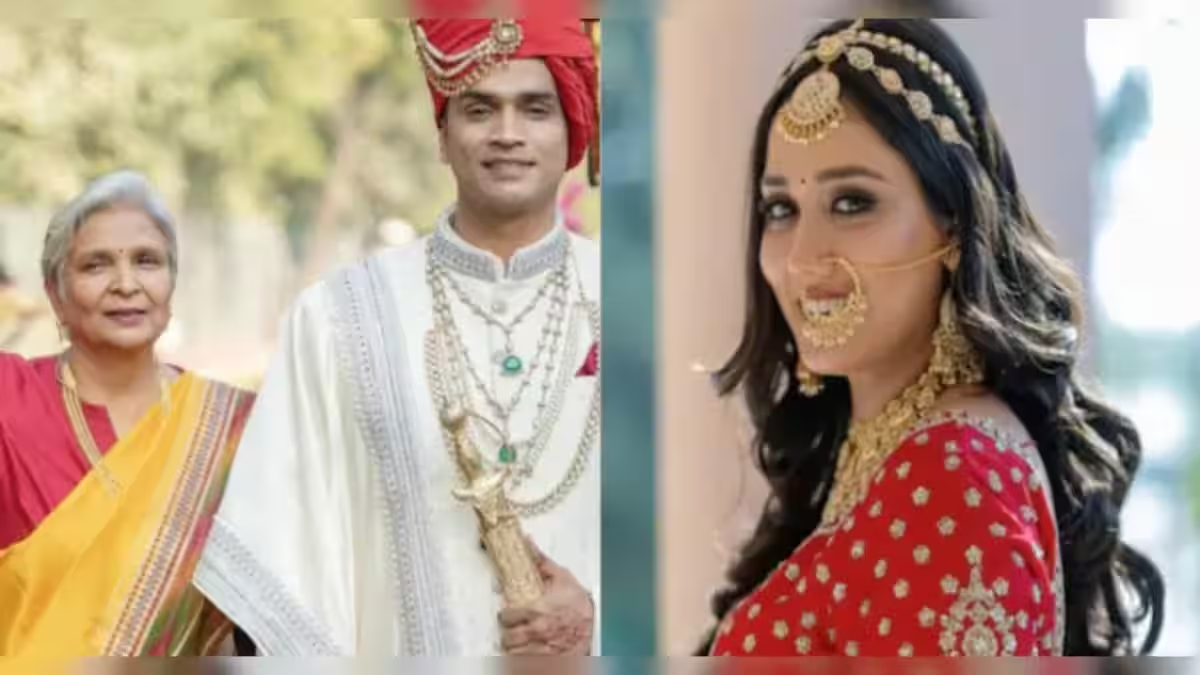
One of the strongest stereotypes surrounding dowry harassment is that it primarily affects economically dependent women from socially vulnerable backgrounds. Twisha Sharma’s case challenges that assumption. By all public appearances, she represented urban independence — educated, professionally active, socially connected, and financially capable.
However, sociologists argue that economic independence does not necessarily eliminate vulnerability within marriage. In many Indian households, especially in socially influential or status-conscious families, expectations around money, lifestyle, gifts, prestige, or control can continue regardless of a woman’s professional success.
Experts point out that dowry-related disputes today are often less direct than traditional cash demands. Instead, they may appear in subtler forms — pressure regarding property, expensive lifestyles, social status, family influence, or emotional control. In some cases, conflicts escalate not because a woman is financially weak, but because she resists expectations imposed after marriage.
This is why activists caution against assuming that a “modern” or “successful” woman cannot face domestic harassment. India’s courts have repeatedly dealt with cases involving doctors, engineers, executives, influencers, and professionals who later alleged emotional abuse, coercion, or dowry-linked pressure.
Twisha’s case therefore exposes a deeper social contradiction. Public discourse often assumes glamour, visibility, or independence automatically translate into empowerment inside marriage. But legal experts say domestic power structures frequently operate differently behind closed doors.
Drug Allegations, Character Narratives And Public Perception
The latest claims made by retired judge Giribala Singh — including allegations of marijuana use and abortion medication — have added another emotionally charged dimension to the case. Such allegations, while not yet officially verified, have already influenced online conversations.
Observers note that in high-profile deaths involving women, public narratives often shift quickly toward examining the woman’s personal life, lifestyle choices, mental health, or relationships. Questions about character, substance use, or morality frequently become central to media discourse even before forensic conclusions are established.
Women’s rights groups argue that this pattern can indirectly shape public sympathy. The moment allegations involving drugs, relationships, or personal choices emerge, attention may shift away from examining possible domestic tensions or marital dynamics.
At the same time, legal experts stress that allegations made by family members cannot be dismissed outright either. If investigators find credible evidence regarding substance use, medical complications, or psychological distress, those factors could become important elements of the investigation.
The challenge, therefore, lies in separating verified evidence from narrative-building.
Twisha Sharma’s death now sits at the intersection of multiple social debates — women’s autonomy, marital expectations, reproductive rights, media sensationalism, and the politics of public sympathy. The involvement of a retired judge as a family member has further intensified scrutiny, with every statement carrying greater public weight.
As forensic reports and police findings are awaited, the case continues to raise uncomfortable but necessary questions about how society views women, marriage, and victimhood. Can a glamorous public figure still suffer private coercion? Can allegations about lifestyle choices overshadow possible abuse? And why does society often struggle to imagine that privilege and vulnerability can exist together?
Until investigators establish the facts, the answers remain uncertain. But the debate surrounding Twisha Sharma’s death has already exposed how deeply gender, class, reputation, and morality shape public understanding of tragedy.

Prabha Gupta is a veteran journalist and civic thinker dedicated to the constitutional ideals of dignity and institutional ethics. With over thirty years of experience in public communication, her work serves as a bridge between India’s civil society and its democratic institutions. She is a prominent voice on the evolution of Indian citizenship, advocating for a national discourse rooted in integrity and the empowerment of the common citizen