



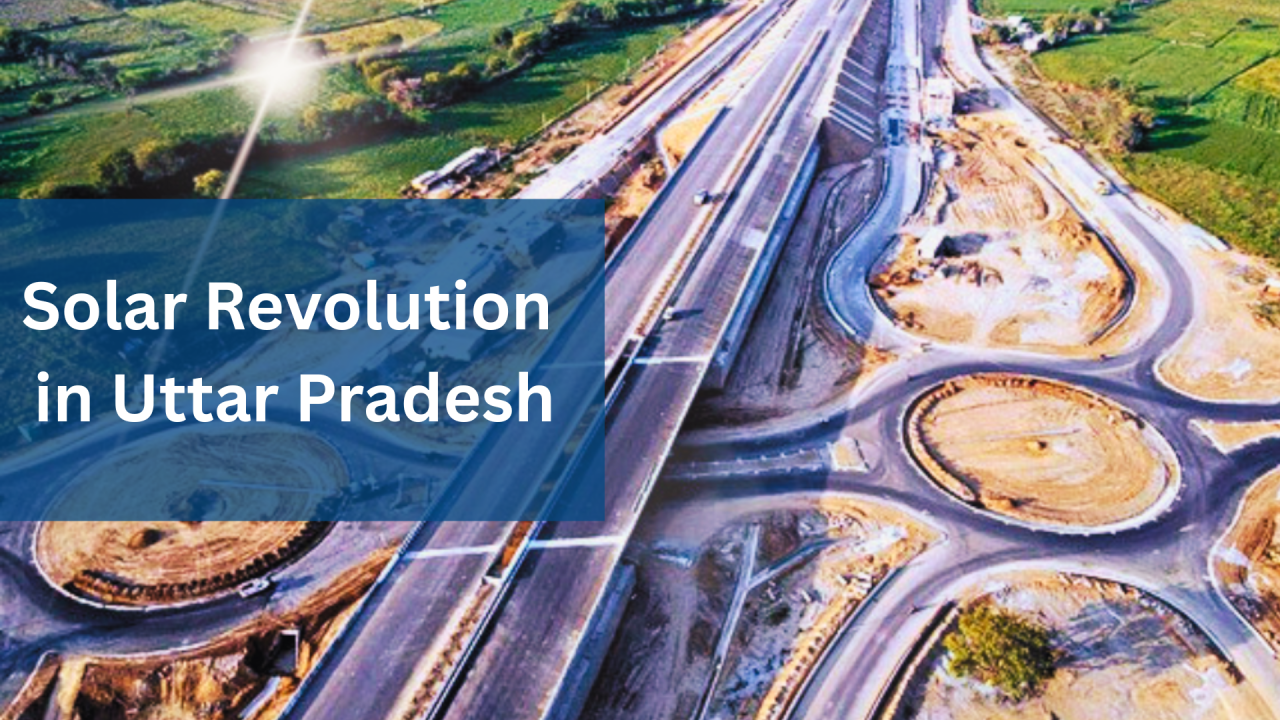
Uttar Pradesh is undergoing a major structural transformation in its mobility landscape. Long recognized for its rapidly expanding network of world-class expressways, India’s most populous state is now focusing heavily on greening those arterial transport corridors. In a major push toward sustainable infrastructure, the state government is accelerating the installation of over 200 public electric vehicle (EV) charging stations across municipal centers, key arterial routes, and high-speed expressways. This initiative aims to build a robust, seamless green energy grid that alleviates range anxiety and positions Uttar Pradesh as a frontline leader in clean transportation.
A Dual Framework for Green Mobility
The rapid rollout of EV infrastructure operates under the combined framework of the state’s Uttar Pradesh Electric Vehicle Manufacturing and Mobility Policy 2022 alongside the central government’s PM E-Drive Scheme. Implementation is being spearheaded by dedicated state bodies, including UP Renewable & EV Infrastructure Limited (UPREV)—a specialized subsidiary of Uttar Pradesh Power Corporation Limited—and the Uttar Pradesh Expressways Industrial Development Authority (UPEIDA).
Under this master plan, public charging facilities are being integrated systematically along high-density transport corridors. Key expressways—including the Yamuna Expressway, Agra-Lucknow Expressway, Purvanchal Expressway, Bundelkhand Expressway, and Gorakhpur Link Expressway—are receiving designated charging hubs at regular 25-kilometer intervals. By embedding high-capacity DC fast chargers directly into expressway rest plazas, the state ensures that long-distance electric travel becomes as reliable and convenient as conventional fuel-based commuting.
Overcoming Range Anxiety via Strategic Deployment
A major hurdle to electric vehicle adoption has historically been range anxiety—the fear of running out of charge during inter-city transit. By establishing over 200 strategic public charging stations across major urban centers and expressway junctions, the state government is removing this psychological barrier for vehicle owners.
Major economic and tourist centers are receiving prioritized allocations based on vehicular density and travel frequency:
Gautam Buddha Nagar and Lucknow lead the initial infrastructure deployment, closely followed by industrial and cultural hubs like Meerut, Gorakhpur, Varanasi, Agra, Prayagraj, and Mathura.
Structural Synergy: Beyond standard fast-charging units, selected stations are being equipped with automated battery-swapping systems. This technology enables two-wheelers, three-wheelers, and commercial fleet operators to exchange depleted battery packs within minutes, eliminating long wait times and maximizing operational efficiency for daily logistics.
Public-Private Partnerships and Fiscal Incentives
To ensure rapid scaling and technological reliability, the state government is leveraging a Public-Private Partnership (PPP) model. Through UPEIDA and district development authorities, government-owned land is being leased to charge point operators under long-term 10-year concessions at nominal revenue-sharing rates.
Furthermore, the state provides 100 percent financial support for upstream electrical infrastructure power connections, alongside capital subsidies for fixed infrastructure investments. This derisks private capital investment, encouraging top energy and mobility enterprises to establish state-of-the-art charging hubs equipped with solar-assisted power storage and smart grid management systems.
Driving the Future of Sustainable Growth
The green energy push along expressways does more than just power electric cars; it creates an interconnected ecosystem that supports clean public transport, electric freight carriers, and eco-tourism. By pairing road development with clean energy infrastructure, Uttar Pradesh is laying the foundation for a lower-carbon economy.
As these charging stations go live across the state’s expanding expressways, Uttar Pradesh is demonstrating that large-scale infrastructure expansion and environmental sustainability can progress hand in hand, bringing India a step closer to its national 2030 clean mobility goals.

NewsHasghag operates a 24/7 news bureau that tracks the real-time, social media-driven stories from India and around the world, keeping you ahead of the day’s key talking points. Our digital-first approach transforms storytelling through the seamless integration of data, interactive charts, video, and audio into every narrative