




Foreign Nationals Among 21 Killed in Delhi Fire: A Tragedy Rooted in Safety Failures
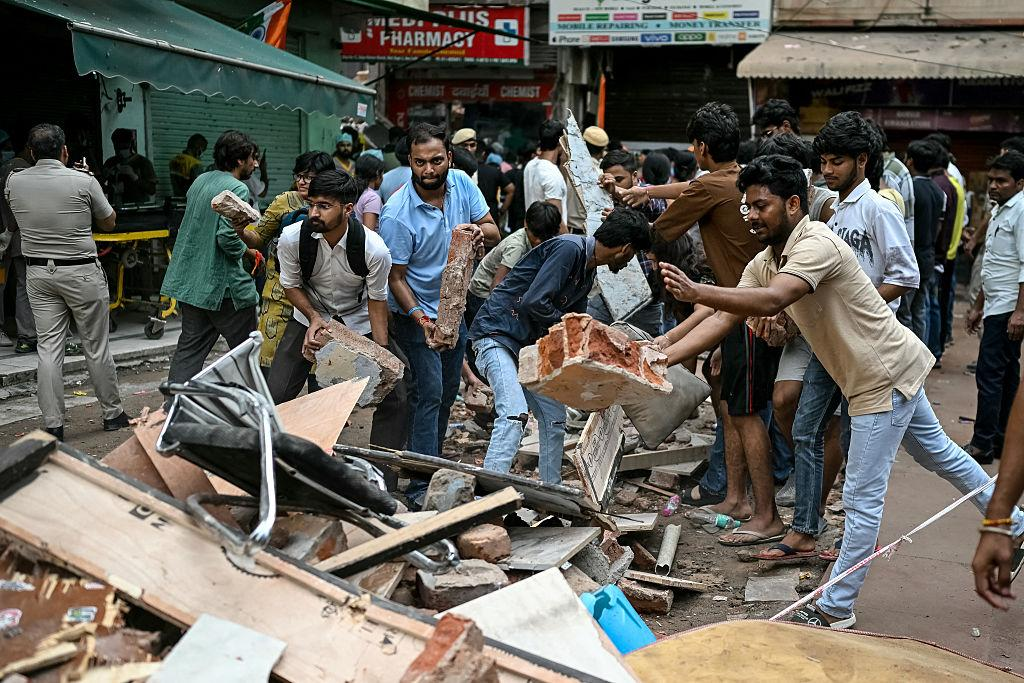
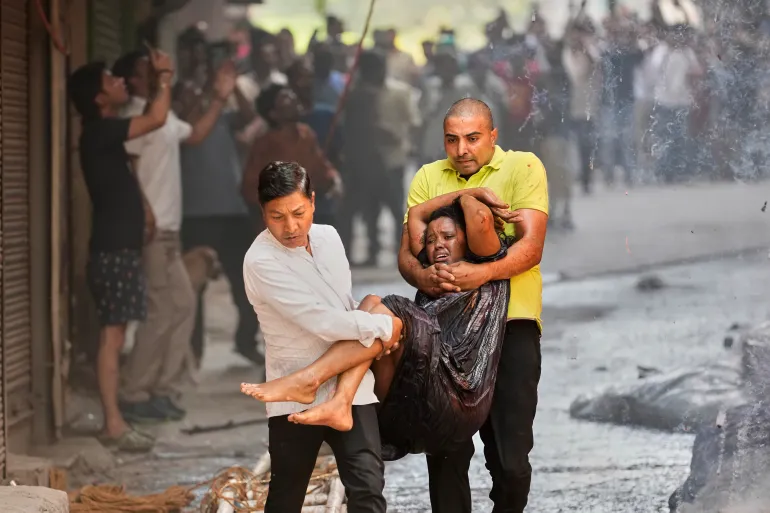
A devastating fire in Delhi has claimed at least 21 lives, including several foreign nationals, once again exposing the persistent gaps in fire safety enforcement across India’s urban landscape. The blaze, which engulfed a residential-commercial building in the national capital, left dozens injured and triggered a large-scale rescue operation by firefighters and emergency services.
The incident has sent shockwaves through the city and raised urgent questions about building safety compliance, overcrowding, and the effectiveness of regulatory oversight. Preliminary investigations suggest that many occupants were trapped inside the structure as smoke rapidly spread through the premises, leaving little time for evacuation.
While authorities have launched an inquiry into the cause of the fire, early reports indicate possible violations of fire safety norms. Such findings, if confirmed, would place this tragedy among a long list of preventable disasters that continue to occur despite repeated warnings from safety experts.
A Recurring Pattern of Negligence
India has witnessed numerous deadly fires over the years—in hospitals, coaching centres, factories, shopping complexes, and residential buildings. From the coaching centre fire in Delhi’s Old Rajinder Nagar to hospital fires in Ahmedabad and Mumbai, a disturbing pattern has emerged: inadequate safety measures, blocked exits, faulty electrical systems, and poor enforcement of regulations.
Although building and fire safety laws exist, implementation remains inconsistent. Many structures either operate without mandatory fire clearances or fail to maintain installed safety equipment. Fire extinguishers are often non-functional, emergency exits are locked or obstructed, and evacuation drills are rarely conducted.
Rapid urbanisation has further compounded the problem. In many Indian cities, buildings are modified beyond approved plans to accommodate more tenants or commercial activity. Additional floors, illegal partitions, and congested access routes can significantly increase fire risks while hampering rescue operations.
The Delhi fire appears to fit into this broader context, where compliance often becomes a procedural requirement rather than a life-saving necessity.
The Human and International Dimension
The presence of foreign nationals among the victims has added an international dimension to the tragedy. Delhi attracts thousands of foreign visitors, students, workers, and traders every year. Their deaths highlight the responsibility of authorities and property owners to ensure safe accommodation standards for all occupants, irrespective of nationality.
For families of the victims, questions remain about whether the disaster could have been avoided. Survivor accounts from similar incidents often reveal confusion during evacuation, lack of alarm systems, and inadequate emergency response mechanisms within buildings.
Experts argue that the focus should not be limited to identifying the immediate cause of the fire. Instead, investigations must examine whether building approvals, inspections, and safety certifications were properly conducted and periodically reviewed.
The tragedy also underscores the need for greater public awareness. Many residents remain unaware of basic fire safety procedures, while building managers often treat compliance as an administrative burden rather than a critical responsibility.
As Delhi mourns the loss of 21 lives, the incident serves as another grim reminder that fire disasters are rarely caused by a single spark. More often, they result from a chain of systemic failures—poor planning, lax enforcement, and a culture of overlooking safety standards until catastrophe strikes.
The challenge before policymakers is not merely to conduct another inquiry but to ensure accountability and lasting reform. Without stringent inspections, transparent enforcement, and severe penalties for violations, similar tragedies are likely to recur.
For a country aspiring to build world-class urban infrastructure, the true measure of progress lies not only in constructing new buildings but in ensuring that the people inside them are safe. Until fire safety becomes a non-negotiable priority, India’s cities will remain vulnerable to disasters that are as predictable as they are preventable.

Prabha Gupta is a veteran journalist and civic thinker dedicated to the constitutional ideals of dignity and institutional ethics. With over thirty years of experience in public communication, her work serves as a bridge between India’s civil society and its democratic institutions. She is a prominent voice on the evolution of Indian citizenship, advocating for a national discourse rooted in integrity and the empowerment of the common citizen