

Is This a Joke? U.S.-Iran Talks Called Off Over Fighting in Lebanon, Exposing the Fragility of Middle East Diplomacy
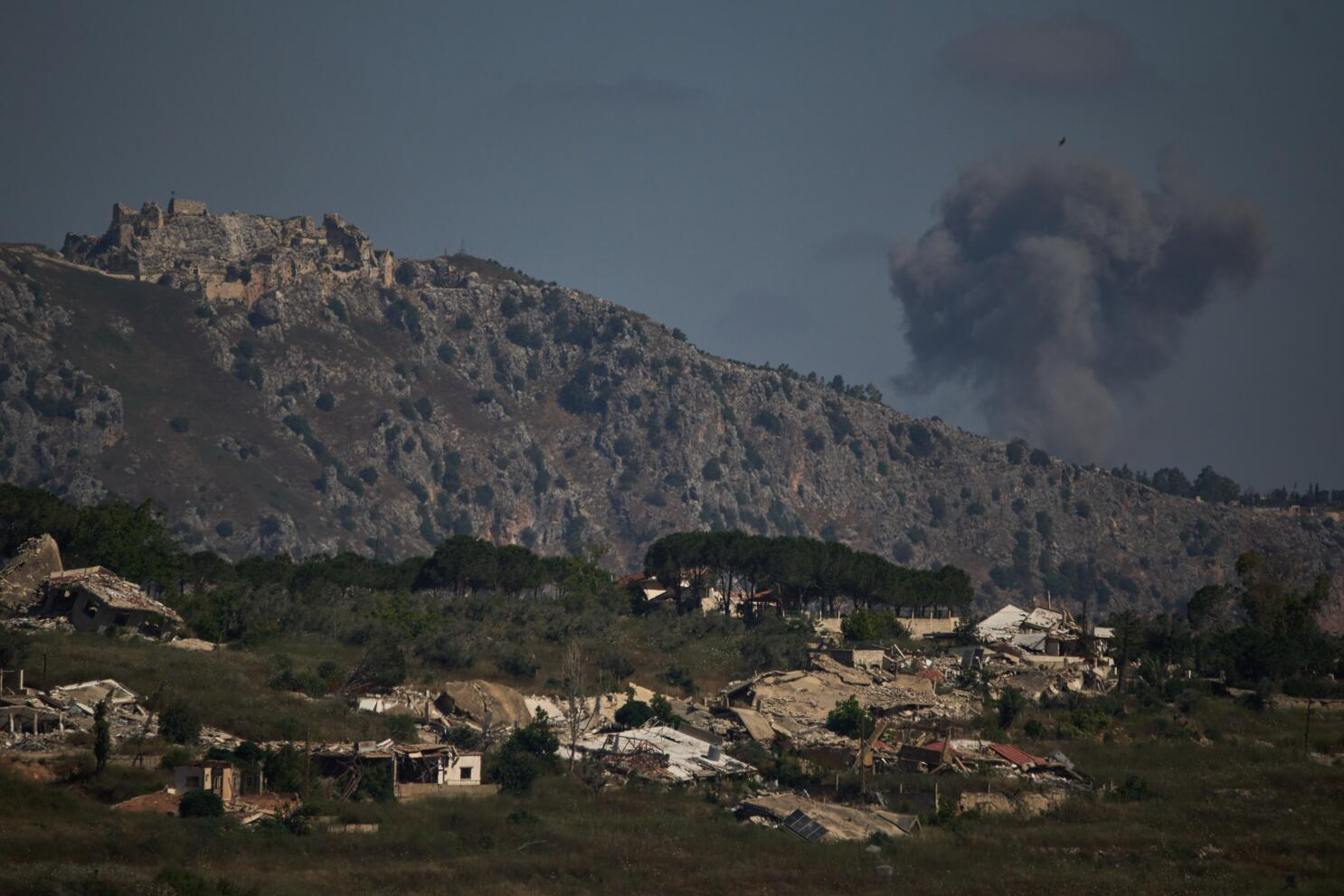
Just days after Washington and Tehran announced what was being hailed as a breakthrough framework to end months of conflict and reopen vital energy routes, planned U.S.-Iran talks in Switzerland were abruptly called off. The reason? Renewed fighting between Israel and Hezbollah in southern Lebanon.
At first glance, the development sounds almost absurd. If the talks were meant to reduce tensions between the United States and Iran, why should clashes in Lebanon derail them? Yet the cancellation reveals a deeper reality about the Middle East: no conflict in the region exists in isolation.
Iranian officials reportedly refused to travel to Switzerland, insisting that the violence in Lebanon must stop before negotiations could proceed. U.S. Vice President JD Vance also postponed his visit. Meanwhile, Israeli airstrikes and Hezbollah attacks intensified, leaving dozens dead and raising fears that a wider regional conflict could resume.
Lebanon: The Weakest Link in the Peace Process
The postponed talks highlight a fundamental flaw in the emerging U.S.-Iran agreement. While Washington and Tehran may be willing to negotiate, they do not control every actor involved in the broader conflict.
Iran views Hezbollah as its most important regional ally. Israel views Hezbollah as one of its most serious security threats. Neither Israel nor Hezbollah is a formal signatory to the U.S.-Iran framework, yet their actions have become decisive in determining whether diplomacy survives.
This creates a paradox. Even if American and Iranian negotiators reach an understanding on issues such as maritime security, sanctions, or nuclear oversight, a single flare-up along the Israel-Lebanon border can bring the entire process to a halt.
In effect, regional diplomacy has become hostage to regional instability.
Why the Cancellation Matters
The talks were expected to address some of the most critical issues facing the region, including the future of Iran’s nuclear program and the implementation of a broader ceasefire framework. They were also part of efforts to stabilize the Strait of Hormuz, through which a significant share of global oil supplies passes.
The reopening of Hormuz had already helped calm energy markets and reduce fears of a prolonged global oil shock. Investors viewed the negotiations as a potential path toward greater stability. Any disruption therefore carries consequences far beyond the Middle East.
For businesses, governments, and consumers worldwide, every setback in diplomacy increases uncertainty over energy prices, inflation, and global trade routes.
A Reality Check for Policymakers
The cancellation also serves as a reality check for policymakers who hoped that a bilateral U.S.-Iran understanding could quickly transform the regional landscape.
History suggests otherwise. The Middle East operates through a complex network of alliances, proxy groups, security concerns, and competing national interests. Agreements signed in conference rooms often collide with realities on the ground.
Recent reports indicate that a Lebanon ceasefire has since been restored through mediation involving Qatar, the United States, and Iran, raising hopes that talks could resume soon. However, the fact that negotiations were derailed so quickly demonstrates how fragile the process remains.
The real question is not whether the talks will be rescheduled. They almost certainly will be. The bigger question is whether any agreement can survive when so many influential players remain outside the negotiating room.
If a few hours of fighting in southern Lebanon can cancel talks between two of the region’s most powerful adversaries, then the peace process was never as solid as it appeared.
And that is why many observers are asking a simple question: Is this diplomacy—or is it a joke?
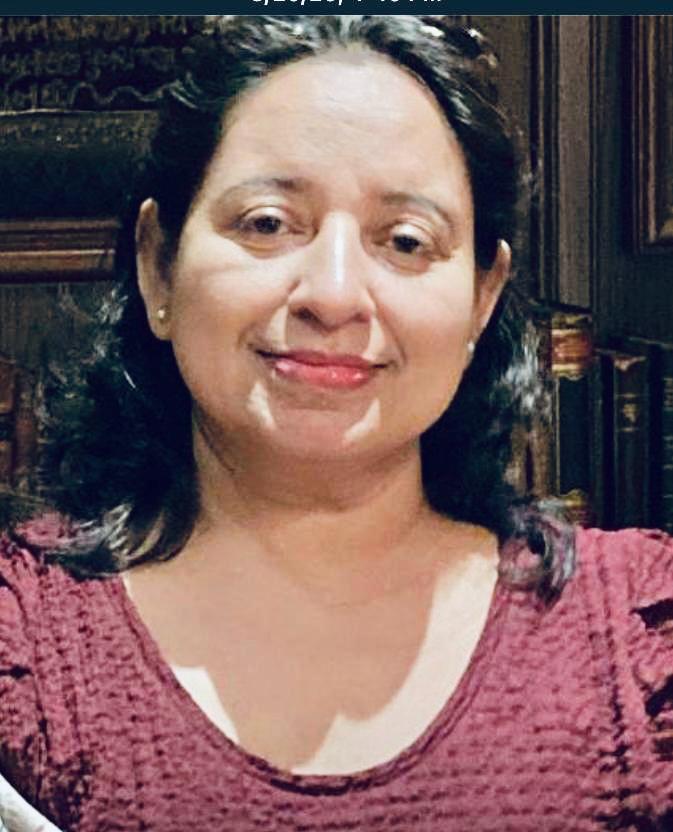
Prabha Gupta is a veteran journalist and civic thinker dedicated to the constitutional ideals of dignity and institutional ethics. With over thirty years of experience in public communication, her work serves as a bridge between India’s civil society and its democratic institutions. She is a prominent voice on the evolution of Indian citizenship, advocating for a national discourse rooted in integrity and the empowerment of the common citizen