



Trump’s Iran Gambit: Is It Military Strength, Political Theatre, or America’s Bid to Reassert Global Dominance?
Donald Trump has once again adopted the language of overwhelming military force against Iran. His warnings of fresh strikes, threats directed at strategic infrastructure and repeated assertions that Tehran “will pay a heavy price” create the impression of an America that can dictate terms in the Middle East.
But beneath the rhetoric lies a more complicated reality.
If military superiority alone determined geopolitical outcomes, the United States would have settled the Iran question decades ago. Instead, despite possessing the world’s most powerful armed forces, Washington continues to confront an adversary that has survived sanctions, assassinations, cyberattacks and repeated military pressure.
The question therefore is not why Trump threatens Iran.
The more important question is why these threats continue despite decades of limited strategic success.
The Politics of Power
Trump’s foreign policy has always relied heavily on perception.
His negotiating style—whether dealing with China, North Korea, NATO allies or Iran—begins with projecting overwhelming strength. By appearing unpredictable and willing to escalate further than any previous administration, he seeks to force opponents into negotiations from what he considers a position of weakness.
This approach has worked in business.
International politics, however, follows different rules.
Unlike corporations, sovereign states rarely surrender simply because the cost becomes unbearable. National pride, ideology and political legitimacy often outweigh economic calculations.
Iran exemplifies this reality.
Iran Has Refused to Play by America’s Rules
For nearly five decades, successive American administrations have attempted to isolate Iran through sanctions, diplomatic pressure and military deterrence.
Yet Iran has not collapsed.
Instead, Tehran has adapted.
Unable to match American military power directly, it invested in asymmetric warfare—ballistic missiles, drones, cyber capabilities and alliances with non-state armed groups across the region.
The result is a form of deterrence based not on defeating the United States militarily but on raising the costs of any prolonged conflict.
Iran understands that it cannot destroy American power.
It only needs to make military intervention politically, economically and strategically expensive.
Has Iran Already Taught Washington a Lesson?
Many analysts argue that the answer is yes.
The killing of senior Iranian commander Qassem Soleimani in 2020 demonstrated America’s military reach.
Iran’s missile retaliation against U.S. bases in Iraq demonstrated something equally important—that Tehran was willing to retaliate directly despite the enormous military imbalance.
More recently, Iran’s ability to launch large-scale missile and drone attacks toward Israel has underscored the significant expansion of its indigenous missile industry. While many projectiles were intercepted with the help of Israel’s allies, the attacks demonstrated that Iran possesses the capability to impose military and economic costs on its adversaries.
The lesson for Washington is clear.
Military superiority does not eliminate strategic vulnerability.
Every escalation now carries risks extending far beyond Iran itself.
Why Is Trump Still Escalating?
The answer lies partly in domestic politics.
American presidents are often judged internationally by their willingness to project strength.
For Trump, demonstrating resolve against Iran reinforces his broader political narrative that deterrence works only when adversaries believe the United States will act decisively.
There is also a strategic dimension.
Washington seeks to reassure Israel and Gulf partners that it remains the principal security guarantor in the region, particularly as China and Russia expand their diplomatic and economic influence.
Backing away after issuing warnings could weaken that perception.
Then Why Is the World So Quiet?
Perhaps the most striking aspect of the current crisis is not the confrontation itself but the restrained international response.
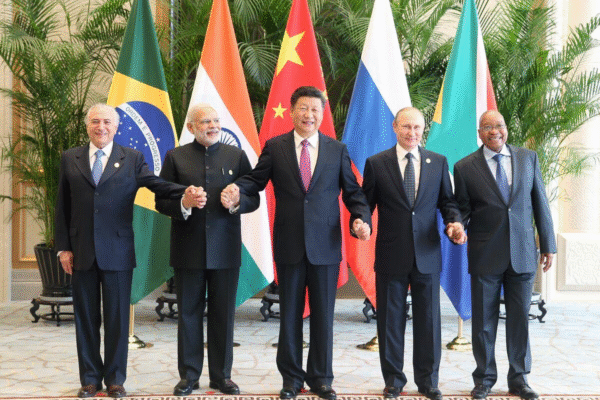
Europe has largely limited itself to appeals for de-escalation.
Russia has criticized U.S. actions but has avoided direct military involvement.
China has called for stability while focusing on protecting its economic interests and energy imports.
India has maintained a cautious diplomatic balance, emphasizing dialogue while safeguarding its strategic relationships with both the United States and Gulf countries.
None appears willing to become directly involved.
This silence should not be mistaken for approval.
Rather, it reflects strategic calculation.
Most major powers believe the costs of intervention currently outweigh the benefits.
The New Multipolar Reality
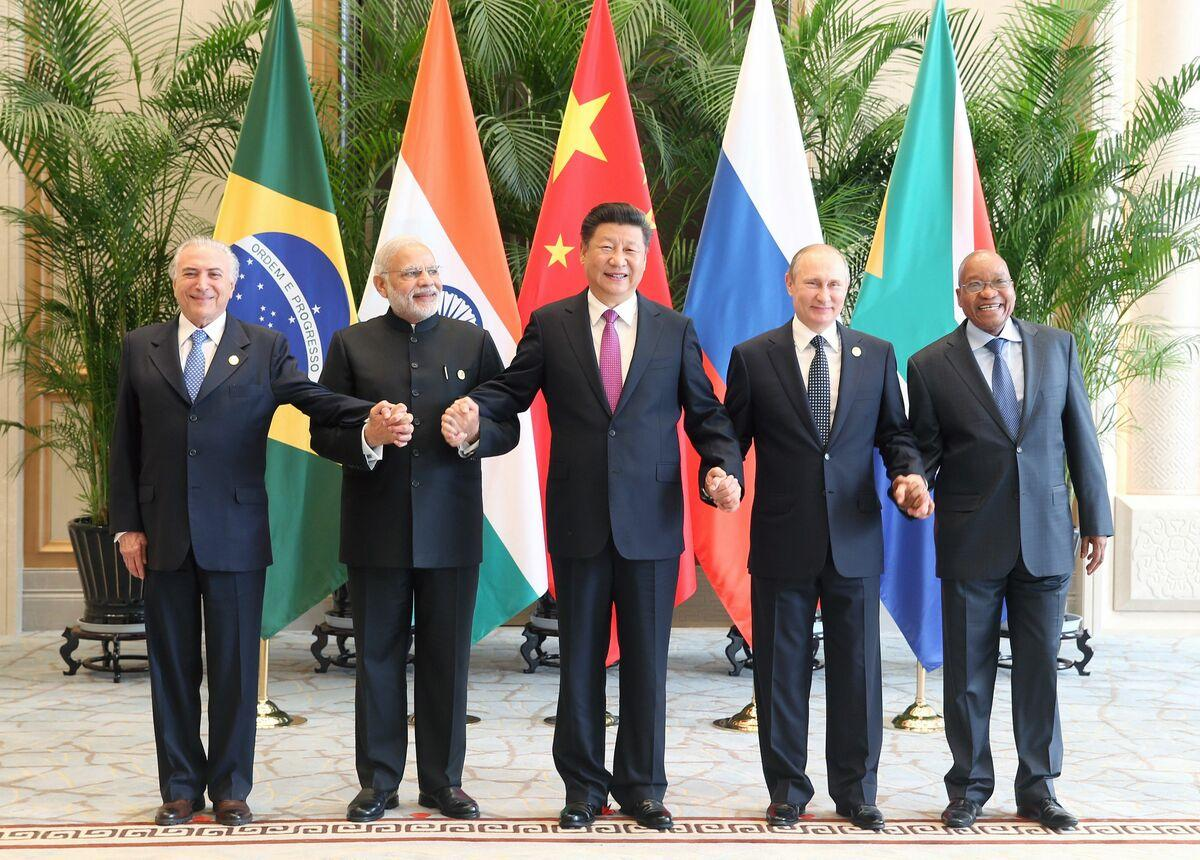
Unlike the Cold War, today’s geopolitical landscape is increasingly multipolar.
Countries are less willing to align automatically behind Washington.
Many nations maintain economic ties with both the United States and Iran while also pursuing relations with China and Russia.
Their priority is stability, not ideological alignment.
This explains why even countries critical of American policy have largely avoided becoming active participants in the confrontation.
The Limits of Military Power
The United States remains the world’s most powerful military force.
Iran remains a regional power with far fewer conventional capabilities.
Yet power in the twenty-first century is measured differently.
Cyber warfare, drones, missile technology, economic resilience and control over strategic geography such as the Strait of Hormuz have narrowed the gap between conventional military strength and strategic influence.
Iran cannot defeat America.
America, despite its overwhelming superiority, has also struggled to compel Iran to fundamentally alter its regional strategy.
That is the paradox shaping the current crisis.
Beyond Arrogance
It is tempting to describe Trump’s posture simply as arrogance.
But that explanation alone is incomplete.
His strategy reflects a belief that credible threats preserve deterrence and reassure allies. Iran’s response reflects an equally strong belief that resistance preserves sovereignty and deters coercion.
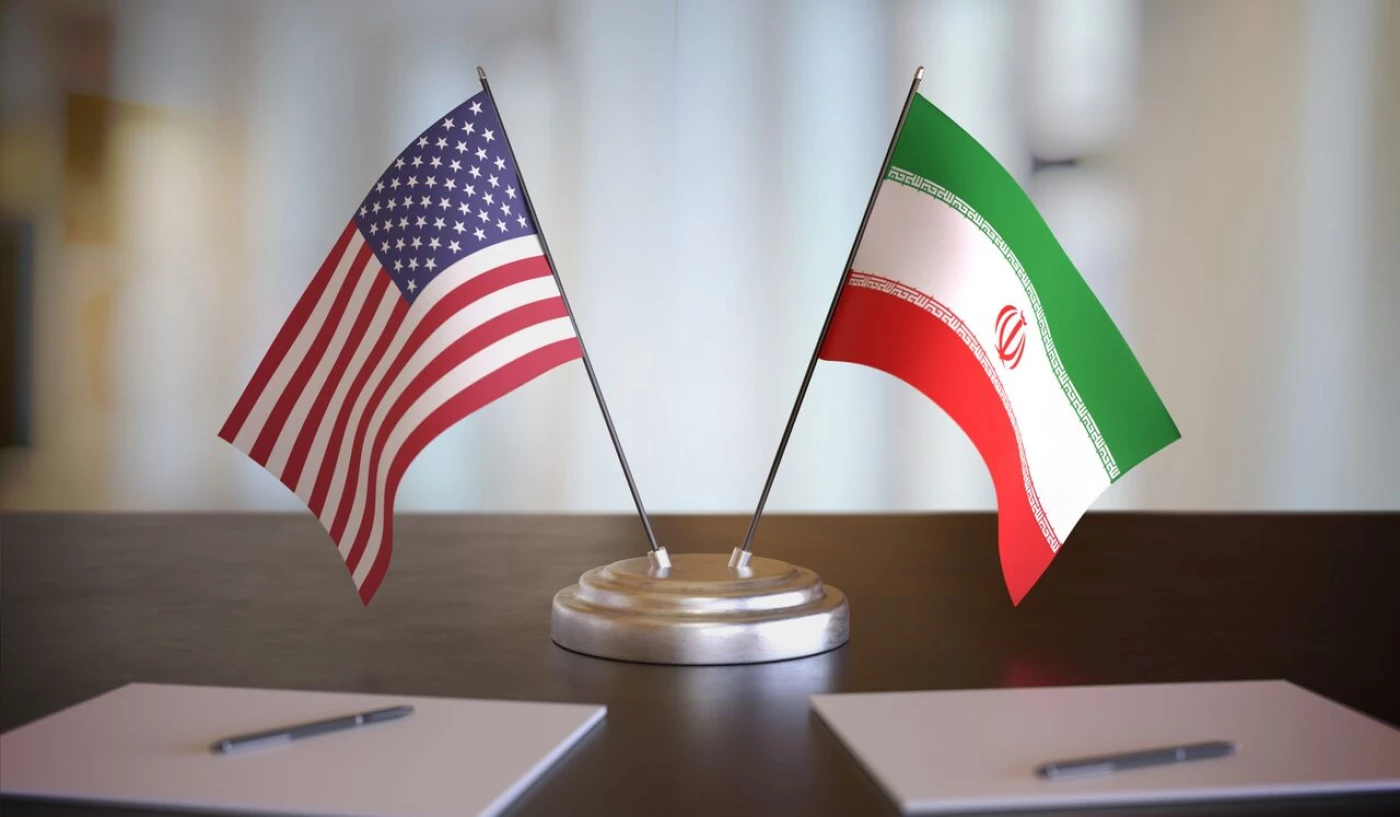
Neither side wants to appear weak. Neither side can easily afford to back down.
This is precisely why the world is watching with concern—but acting with restraint.
The greatest danger today is not that either side seeks an all-out war. It is that repeated demonstrations of strength, political signalling and strategic miscalculations could trigger a conflict that neither Washington nor Tehran originally intended.
Such crises rarely begin because one side wants a war. They begin because each side believes the other will blink first—and history has repeatedly shown that this is often the most dangerous assumption of all.

Prabha Gupta is a veteran journalist and civic thinker dedicated to the constitutional ideals of dignity and institutional ethics. With over thirty years of experience in public communication, her work serves as a bridge between India’s civil society and its democratic institutions. She is a prominent voice on the evolution of Indian citizenship, advocating for a national discourse rooted in integrity and the empowerment of the common citizen