




RSS at 100 — Part 8: Why Was the RSS Banned?
The Rashtriya Swayamsevak Sangh (RSS) has faced government bans at three important moments in independent India’s history: in 1948, during the Emergency in 1975, and after the demolition of the Babri Masjid in 1992. Each ban emerged from a different political and security context. Together, they reveal the complicated relationship between the organisation, the Indian state and the constitutional limits of political mobilisation.
The First Ban: 1948
The first ban followed the assassination of Mahatma Gandhi on 30 January 1948. The government’s action came amid widespread anger, suspicion and concern over organisations associated with Hindu nationalist politics. The RSS denied involvement in the assassination, and no RSS organisational conspiracy was established in the subsequent trial of Nathuram Godse.
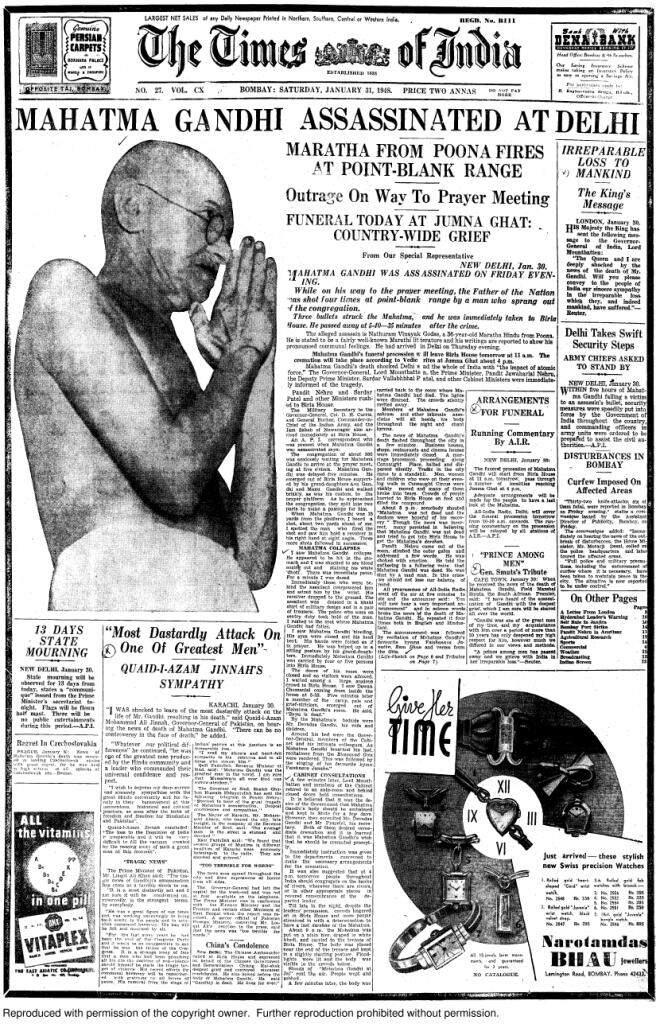
However, the government cited concerns about activities considered hostile to public order and the state. The ban remained in force until July 1949, when it was lifted after the RSS accepted certain conditions, including adopting a written constitution and affirming its commitment to the Indian Constitution and national flag.
The episode had a lasting impact on the RSS. It pushed the organisation to clarify its formal structure and public identity. It also reinforced the belief among its supporters that the organisation was being unfairly targeted by the state. Critics, on the other hand, continued to question the ideological environment in which political violence and religious polarisation had developed.
The distinction between individual criminal responsibility and organisational accountability remains important. Godse’s actions cannot automatically be attributed to every RSS member, but the political and ideological climate surrounding the assassination cannot be separated from the wider debate over Hindu nationalism.
The Emergency: 1975
The second ban came during the Emergency declared by Prime Minister Indira Gandhi in June 1975. Civil liberties were suspended, opposition leaders were jailed, the press faced censorship and several political organisations were restricted.
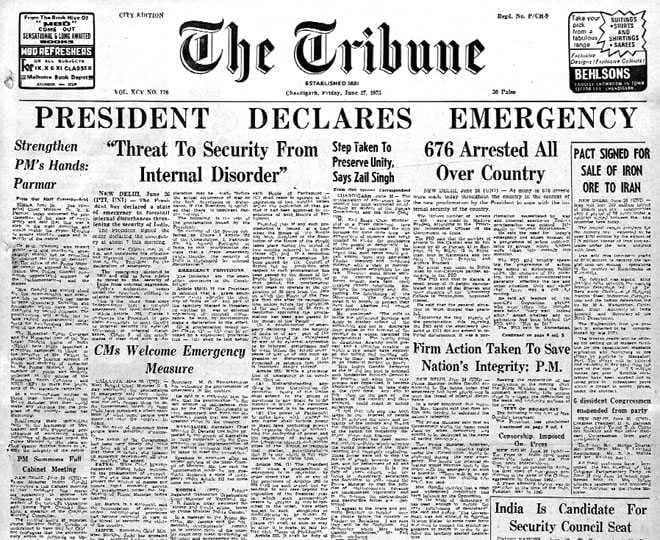
The RSS was banned, and many of its leaders and volunteers were arrested. Its supporters participated in underground resistance and maintained networks that helped circulate information and organise opposition to the Emergency.
The period became central to the RSS’s later public narrative. The organisation presented its resistance as evidence of its commitment to democracy. The Emergency also helped bring RSS-linked workers into closer contact with other opposition groups, including socialists, Gandhian activists and leaders who later participated in the Janata Party experiment.
Yet the history is not entirely uncomplicated. The RSS’s relationship with democratic institutions has always involved a tension between its cultural-nationalist objectives and the plural, constitutional framework of India. The Emergency demonstrated the danger of state power being used against political organisations, but it did not settle the broader debate over the RSS’s ideological position.
The Third Ban: 1992
The RSS was banned again in December 1992 after the demolition of the Babri Masjid in Ayodhya. The government argued that organisations associated with the Ram Janmabhoomi movement had contributed to an atmosphere that threatened communal harmony and public order.
The ban affected the RSS, Vishwa Hindu Parishad, Bajrang Dal and other organisations. The action was challenged before the Unlawful Activities (Prevention) Tribunal. The legal proceedings examined whether sufficient evidence existed to justify the restrictions.
The 1992 episode was different from 1948 and 1975. It was directly connected with a mass religious mobilisation that had transformed the political landscape. The demolition led to communal violence in several parts of India and intensified debates over secularism, majority rights, minority security and the role of religious organisations in public life.
For supporters of the movement, the Ayodhya campaign represented a historic demand connected with Hindu faith and cultural memory. For critics, the demolition represented a serious challenge to constitutional secularism and the rule of law. The ban therefore became part of a much wider national dispute over religion and politics.
What Did the Bans Achieve?
None of the bans permanently removed the RSS from public life. Instead, each crisis encouraged the organisation to adapt.
The 1948 ban led to greater formalisation. The Emergency strengthened its networks with democratic opposition groups. The 1992 ban occurred after the RSS and its affiliates had already developed a broad social and political presence.
The repeated survival of the organisation also raises a larger question: can a government eliminate an ideological movement through prohibition? History suggests that bans may restrict activity temporarily, but they rarely remove the social conditions that sustain an organisation. They can even strengthen a group’s sense of persecution and solidarity.
At the same time, the existence of a large volunteer network cannot place any organisation above the law. The constitutional test must apply equally to the state, political parties, religious organisations and civil society groups.
The RSS’s history of bans is therefore neither simply a story of persecution nor only a story of state protection. It is a record of conflict between competing visions of India: one centred on cultural nationalism and another centred on constitutional pluralism.
Understanding these episodes requires attention to evidence, legal procedure and historical context—not only to the claims made by supporters or critics. The next part will examine how the RSS changed after the Emergency and how its relationship with electoral politics became increasingly significant.

Prabha Gupta is a veteran journalist and civic thinker dedicated to the constitutional ideals of dignity and institutional ethics. With over thirty years of experience in public communication, her work serves as a bridge between India’s civil society and its democratic institutions. She is a prominent voice on the evolution of Indian citizenship, advocating for a national discourse rooted in integrity and the empowerment of the common citizen