



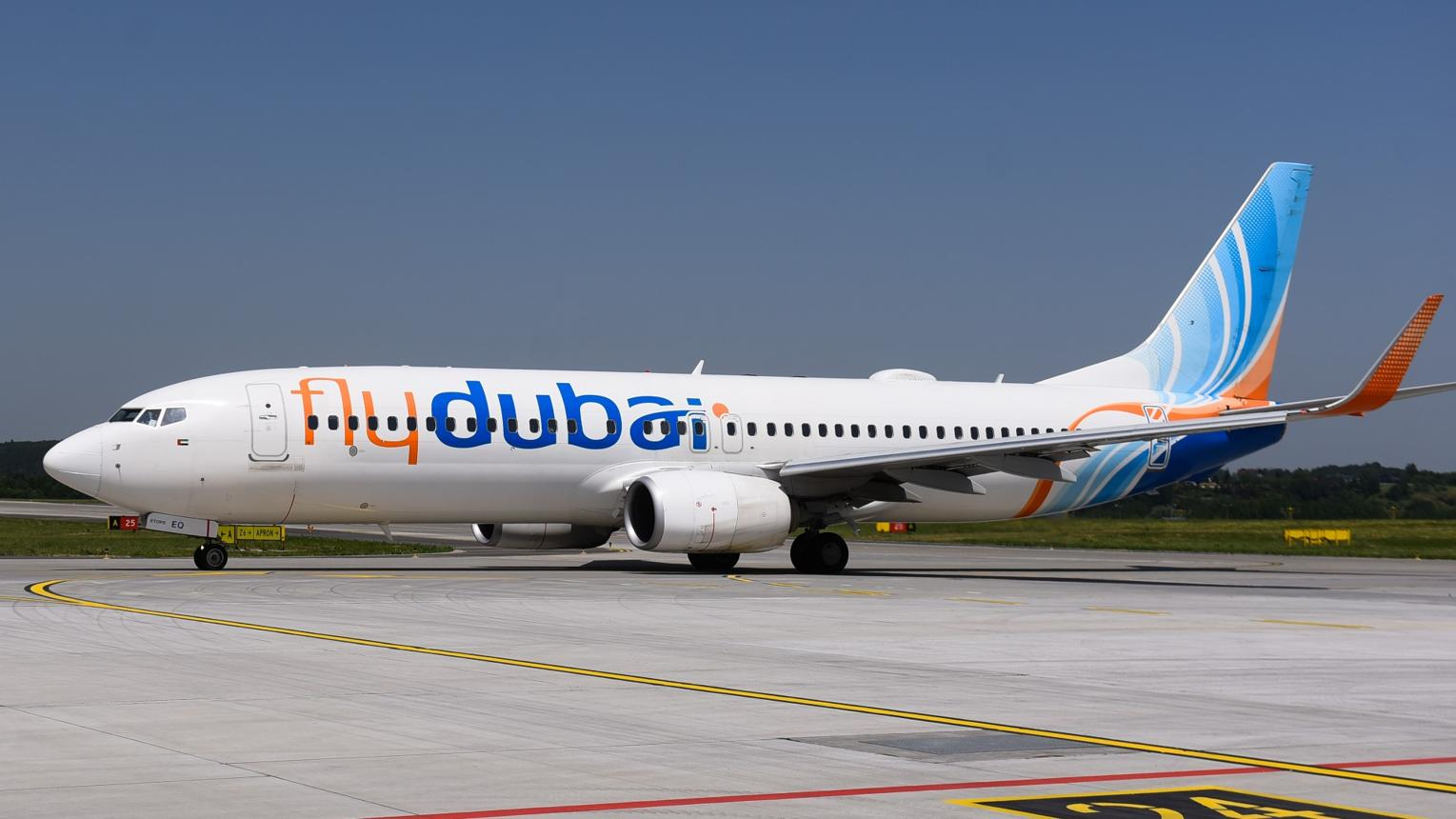
Flydubai Cockpit Attack: What Does It Reveal About the Insider Threat in Aviation?
Aviation security has spent more than two decades building walls around the cockpit. Reinforced doors, restricted access, passenger screening and increasingly sophisticated security systems were designed around one central principle: keep the attacker out of the flight deck.
The Flydubai FZ1073 incident has raised a different and more difficult question: What happens when the alleged threat is already inside the cockpit?
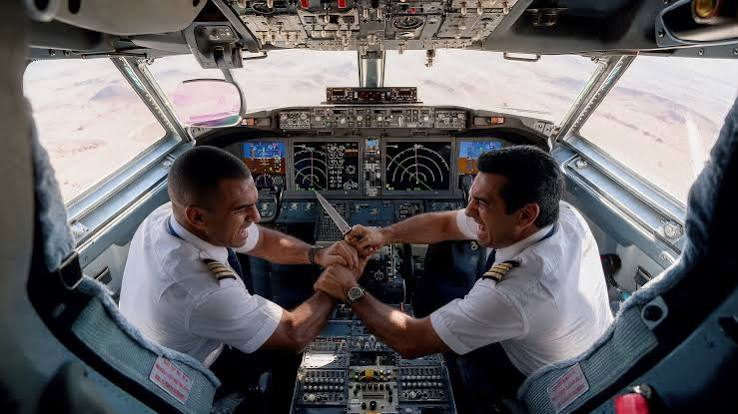
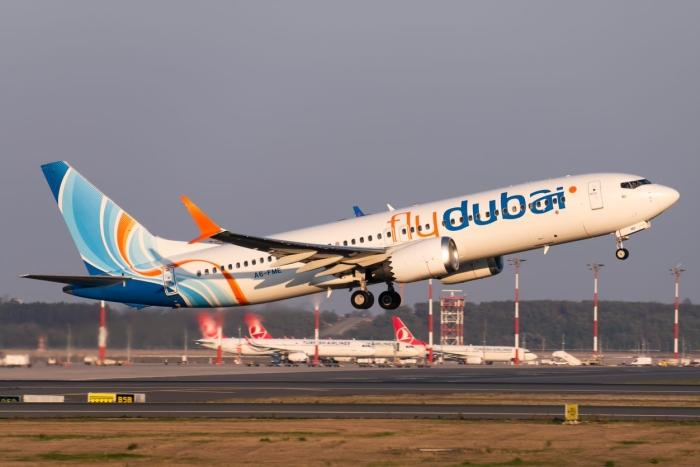
On September 30, the Boeing 737 was flying from Dubai to Tel Aviv when the co-pilot allegedly attacked Captain Smit Machchhar, an Indian national, inside the cockpit. The aircraft subsequently lost almost 14,000 feet in a rapid descent. Machchhar, despite being seriously injured, managed to open the cockpit door. Passengers and crew then intervened and restrained the attacker. Other Flydubai pilots travelling on the aircraft took control, and the aircraft landed safely at Tabuk, Saudi Arabia.
The incident could have ended very differently.
When the threat has authorised access
The modern commercial cockpit is deliberately difficult to enter from the passenger cabin. That security architecture was largely shaped by the lessons of 9/11.
But the Flydubai episode exposes its inherent limitation. A locked cockpit can prevent an unauthorised person from getting inside. It cannot, by itself, prevent an authorised crew member from becoming a threat.
That makes the concept of an insider threat particularly important.
An insider does not necessarily have to be someone deliberately recruited to cause harm. In aviation-security terms, the broader concern is a person who already possesses legitimate access, knowledge or authority that can potentially be misused.
A pilot has access to the aircraft, the cockpit and its systems. That access is essential to operating a flight—and precisely because it is essential, it cannot simply be eliminated.
The security challenge is therefore one of balancing trust, screening, monitoring and operational safeguards.
The weapon question remains unresolved
Another major question has emerged: how did the attacker obtain the weapon?
Early accounts referred to a knife. Other reports have raised the possibility that an aircraft emergency crash axe may have been involved. Reuters reported that it could not independently establish which weapon was used. Aviation experts also pointed out that aircraft can contain potentially dangerous equipment, including emergency tools and, depending on circumstances, metal knives associated with meal service.
That distinction is crucial.
There is currently no established evidence that a prohibited knife was simply carried through passenger security. The investigation has to determine whether the weapon was brought aboard, was already part of the aircraft’s equipment or was otherwise accessible to the crew.
So the story is not merely about airport screening. It is about what objects are available after screening and who can access them.
Can security identify every insider threat?
This is perhaps the hardest question for aviation authorities.
Crew members undergo screening, background checks and professional assessment. But no screening system can guarantee that a person’s future behaviour will always correspond to their previous record.
The incident therefore raises questions about the effectiveness and consistency of crew vetting, recurrent assessments, reporting mechanisms and procedures for identifying warning signs—without assuming that any particular allegation about the co-pilot’s motive or background has been proven.
The UAE Attorney-General has ordered an investigation into the circumstances and motives surrounding the incident. Flydubai has also urged against premature speculation while authorities establish the facts.
The cockpit door dilemma
There is another uncomfortable paradox.
The cockpit door is designed to keep people out. In this incident, however, the wounded captain reportedly opened that door so that others could intervene. Reuters reported that Machchhar later described opening the door during the attack, allowing passengers and crew to help subdue the alleged attacker.
That does not mean cockpit doors are ineffective. It illustrates something more complicated: security systems designed for one type of threat can create difficult decisions during another type of emergency.
Aviation authorities will now have to examine whether existing procedures adequately address a violent incident originating inside the flight deck.
A warning beyond Flydubai
The Flydubai incident should not automatically be treated as evidence that aviation security systems have failed. The aircraft landed safely, passengers intervened and backup crew were able to take control.
But it does expose a security problem that cannot be solved simply by adding another passenger checkpoint.
The future of aviation security may increasingly depend on managing the space between trust and access: who enters the cockpit, what they can access, how concerns are identified, and what happens when the person entrusted with flying the aircraft becomes the source of danger.
The investigation will ultimately have to answer several basic questions: What weapon was used? How did it become accessible? Was the attack planned? Were there warning signs? And are current crew-security procedures sufficient to deal with an insider threat?
Until those questions are answered, one lesson is already clear: aviation security is not only about keeping dangerous people outside the aircraft. It is also about ensuring that authorised access never becomes an unchecked vulnerability.

Prabha Gupta is a veteran journalist and civic thinker dedicated to the constitutional ideals of dignity and institutional ethics. With over thirty years of experience in public communication, her work serves as a bridge between India’s civil society and its democratic institutions. She is a prominent voice on the evolution of Indian citizenship, advocating for a national discourse rooted in integrity and the empowerment of the common citizen