




Navi Pillay: The Human Rights Lawyer Who Took the Fight for Justice to the World
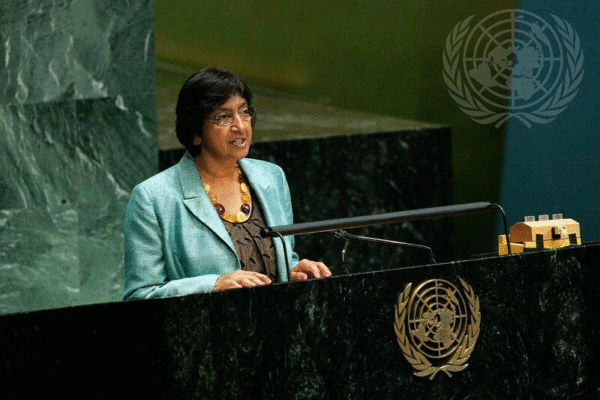
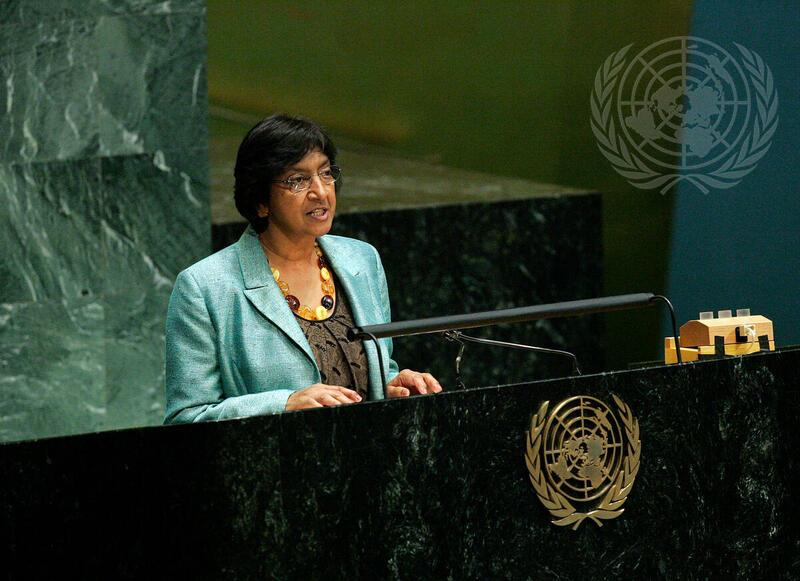
Navanethem “Navi” Pillay, the South African jurist of Indian Tamil origin, has won the 2026 Nobel Peace Prize for her efforts to promote peace and international law. At 85, Pillay’s recognition is more than a personal milestone: it is a reminder that justice, accountability and human dignity remain central to the pursuit of peace. The Norwegian Nobel Committee honoured her contribution to strengthening international legal institutions at a time when courts and the global rules governing conflict face growing political pressure. Pillay reportedly received the news while attending a legal conference in Nuremberg, Germany, a city whose name remains inseparable from the post-Second World War trials that helped establish modern principles of international criminal justice.
From apartheid-era discrimination to international justice
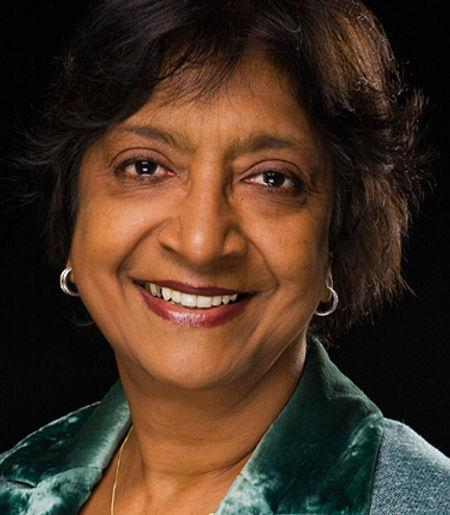
Born in Durban, South Africa, in 1941, to a family of Tamil Indian descent, Pillay grew up under apartheid, a system that institutionalised racial segregation and discrimination. Her background shaped a career devoted to challenging unequal treatment and defending people whose rights were threatened by powerful institutions. In 1967, she became the first woman to establish a law practice in South Africa’s Natal province. She defended anti-apartheid activists and challenged the treatment of political detainees, including abuses that were often hidden from public scrutiny. Her career was built not simply on courtroom arguments but on the principle that the law must protect people regardless of race, political affiliation or social standing. In 1995, after apartheid ended, Pillay became the first Black woman appointed to South Africa’s High Court. She subsequently served at the International Criminal Tribunal for Rwanda, eventually becoming its president. Her work there contributed to landmark legal recognition that rape and other forms of sexual violence can constitute acts of genocide in particular circumstances. This helped expand the understanding of how international law addresses atrocities, especially those committed against women during conflict. She later served as a judge at the International Criminal Court and, from 2008 to 2014, as the United Nations High Commissioner for Human Rights. These roles placed her at the centre of debates over war crimes, state accountability and the protection of civilians.
Why her Nobel matters—and why her work remains contested
Pillay’s Nobel recognition comes amid intense international disagreements over the enforcement of human rights and international law. From 2021 to 2025, she chaired a United Nations commission of inquiry on the occupied Palestinian territory, including East Jerusalem, and Israel. The commission’s findings included the conclusion that Israel had committed genocide in Gaza, an allegation Israel strongly rejects. The controversy surrounding those findings illustrates the politically charged environment in which international legal bodies operate. The Nobel Committee’s stated rationale, however, is broader than any single investigation: it highlights Pillay’s contribution to the development of an international legal order and the principle that serious crimes should be investigated and prosecuted through legal processes.
Her award also raises a larger question: what does peace mean when conflicts continue and international institutions struggle to secure compliance with their decisions? Pillay’s career reflects the argument that peace cannot depend only on ceasefires, diplomacy or political agreements. Without accountability for atrocities and meaningful protection for victims, agreements can leave the underlying injustices unresolved. At the same time, international courts and inquiries must retain public credibility through evidence, legal rigour and impartial procedures. That is the difficult balance at the heart of international justice.
Pillay is the fifth South African to receive the Nobel Peace Prize, following earlier laureates including Nelson Mandela and Archbishop Desmond Tutu. Her journey from defending people under apartheid to serving in international judicial institutions gives the award a powerful historical dimension. It recognises a career spent arguing that law must be more than an instrument of the powerful: it must also be a safeguard for those who have little power of their own.
The Nobel Prize cannot by itself end wars or compel governments to accept legal judgments. Its significance lies in what it brings into public view. By honouring Navi Pillay, the Nobel Committee has placed international law and accountability at the centre of the global conversation—and underscored the enduring challenge of turning the promise of justice into reality.

NewsHasghag operates a 24/7 news bureau that tracks the real-time, social media-driven stories from India and around the world, keeping you ahead of the day’s key talking points. Our digital-first approach transforms storytelling through the seamless integration of data, interactive charts, video, and audio into every narrative