

If Gyanesh Kumar Resigns, Will a BJP-Friendly Successor Restore Trust—or Deepen the Crisis?
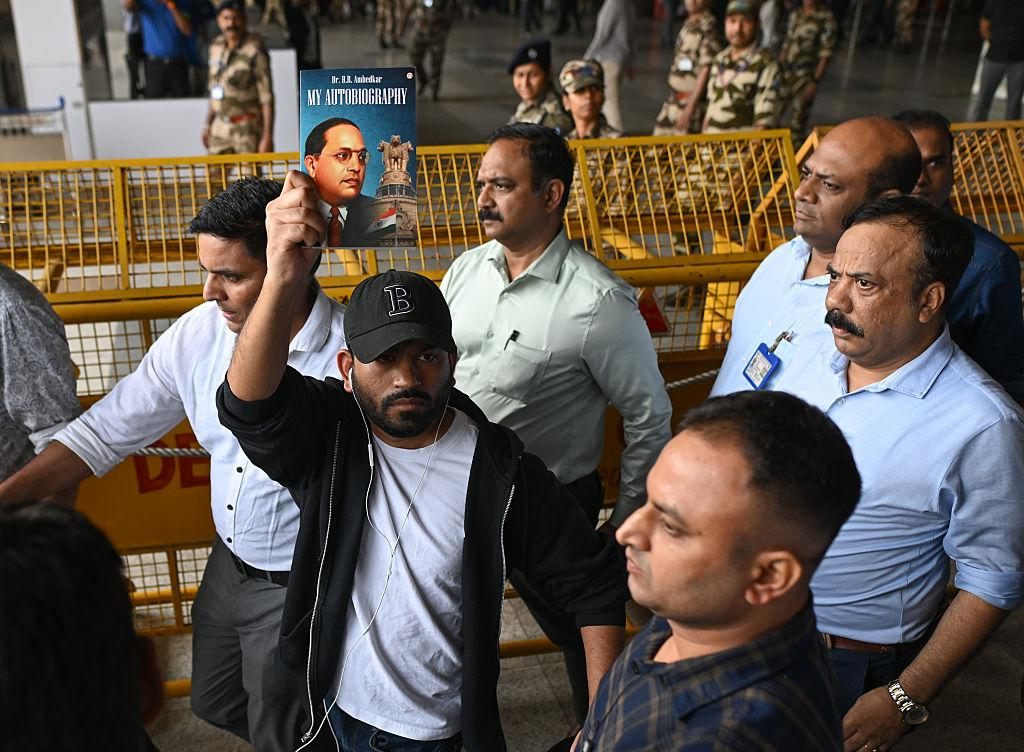
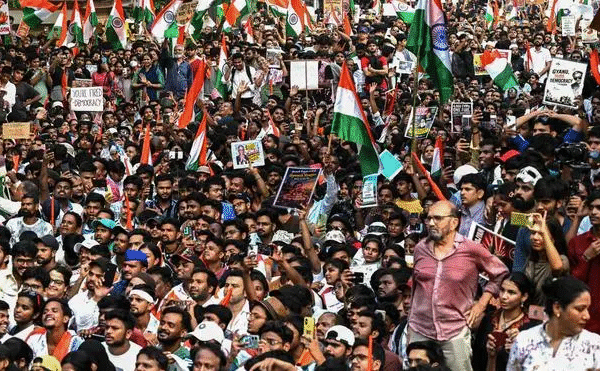
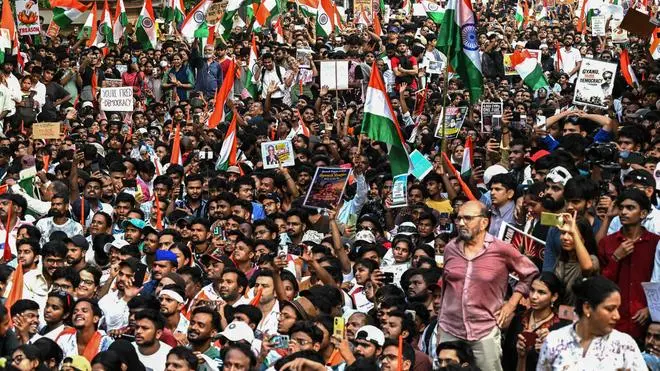
An ongoing protest in New Delhi demanding the resignation of Chief Election Commissioner Gyanesh Kumar has brought the independence of India’s Election Commission into sharp public focus. On October 10, 2026, authorities tightened security across the capital ahead of a major demonstration at Jantar Mantar, with protesters opposing the Special Intensive Revision (SIR) of electoral rolls. The agitation has grown amid allegations that the voter-list revision risks disenfranchising eligible citizens and could benefit the ruling Bharatiya Janata Party (BJP). The Election Commission and the BJP have rejected accusations of politically motivated manipulation.

The immediate demand is Kumar’s resignation. But the larger question goes beyond one official: if Kumar resigns and the BJP-led government backs a successor perceived as favourable to it, will the change resolve the controversy—or intensify doubts about the impartiality of the poll body?
This remains a hypothetical scenario, not an established plan. Yet the question is important because public confidence in elections depends not only on the conduct of polling, but also on whether the institution overseeing the process is seen to operate independently of the government of the day.
A resignation would change the person, not necessarily the system
The current agitation is rooted in disputes over the SIR exercise and concerns about the deletion of names from electoral rolls. Reports have cited around 130 million entries flagged for deletion during the revision process, including entries attributed to deaths, migration and people who could not be traced. The Election Commission has maintained that the exercise is not complete and that voters whose names are wrongly removed can seek enrolment again. The scale of the exercise makes transparency, verification and accessible appeals essential.
If Kumar were to resign, his departure might temporarily alter the political temperature. It would not, by itself, settle questions about how voter lists are revised, how disputed deletions are reviewed or how the public can verify the process. Nor would resignation establish that the allegations against him were true.
The appointment of a successor would become the next test. Under the Chief Election Commissioner and Other Election Commissioners Act, 2023, the President appoints the Chief Election Commissioner on the recommendation of a selection committee comprising the Prime Minister, the Leader of the Opposition in the Lok Sabha—or the leader of the largest opposition party where there is no recognised Leader of the Opposition—and a Union Cabinet minister nominated by the Prime Minister. The government therefore has a significant role in the selection process, although the opposition is represented on the committee.
A government-backed candidate is not automatically an unsuitable candidate. Equally, appointment through a lawful process does not, on its own, guarantee public confidence. If the successor is widely perceived as politically aligned, the controversy could shift from Kumar’s conduct to the credibility of the appointment system itself.
The decisive questions would be the successor’s record, independence of judgment, willingness to explain decisions publicly and readiness to ensure that eligible voters are not unfairly excluded.
The real test is institutional independence
The Election Commission is a constitutional authority entrusted with overseeing elections. Its credibility rests on more than the formal powers granted to it: it also depends on whether political parties and voters believe that those powers are exercised impartially.
A new Chief Election Commissioner could help rebuild confidence by publishing clear explanations of voter-roll changes, strengthening verification procedures, making correction and appeal mechanisms accessible, and responding promptly to credible complaints. Independent scrutiny of disputed deletions and transparent reporting of corrections would help replace competing political claims with evidence.
The government and the Commission, in turn, have a responsibility to address concerns with facts rather than dismissing every criticism as partisan. Opposition parties must also substantiate their allegations. In a democracy, scrutiny should neither be treated as proof of wrongdoing nor brushed aside merely because it comes from political opponents.
The continuing sit-in and demonstrations show that the dispute has become about more than the tenure of one office-holder. Protesters have also raised wider demands concerning the SIR exercise, accountability and the process of appointing election commissioners. <Cite refs={[“turn254696search1″,”turn254696search0”]} />
If Gyanesh Kumar resigns, the government may gain an opportunity to reset the debate. But appointing a successor perceived as favourable to the ruling party, without addressing the underlying concerns, could deepen rather than resolve the crisis.
The question is not simply who occupies the Chief Election Commissioner’s office next. It is whether the institution can demonstrate, through transparent decisions and verifiable safeguards, that every eligible citizen’s vote matters equally—regardless of political affiliation. A change of face may alter the headlines; only demonstrable independence can restore trust.

Prabha Gupta is a veteran journalist and civic thinker dedicated to the constitutional ideals of dignity and institutional ethics. With over thirty years of experience in public communication, her work serves as a bridge between India’s civil society and its democratic institutions. She is a prominent voice on the evolution of Indian citizenship, advocating for a national discourse rooted in integrity and the empowerment of the common citizen