



Bollywood actor Imran Khan’s decision to challenge a notice directing him to leave India has brought a difficult legal question into the spotlight: can a foreign national of Indian origin be ordered out of the country for participating in a political protest, and can he ask an Indian court to intervene?
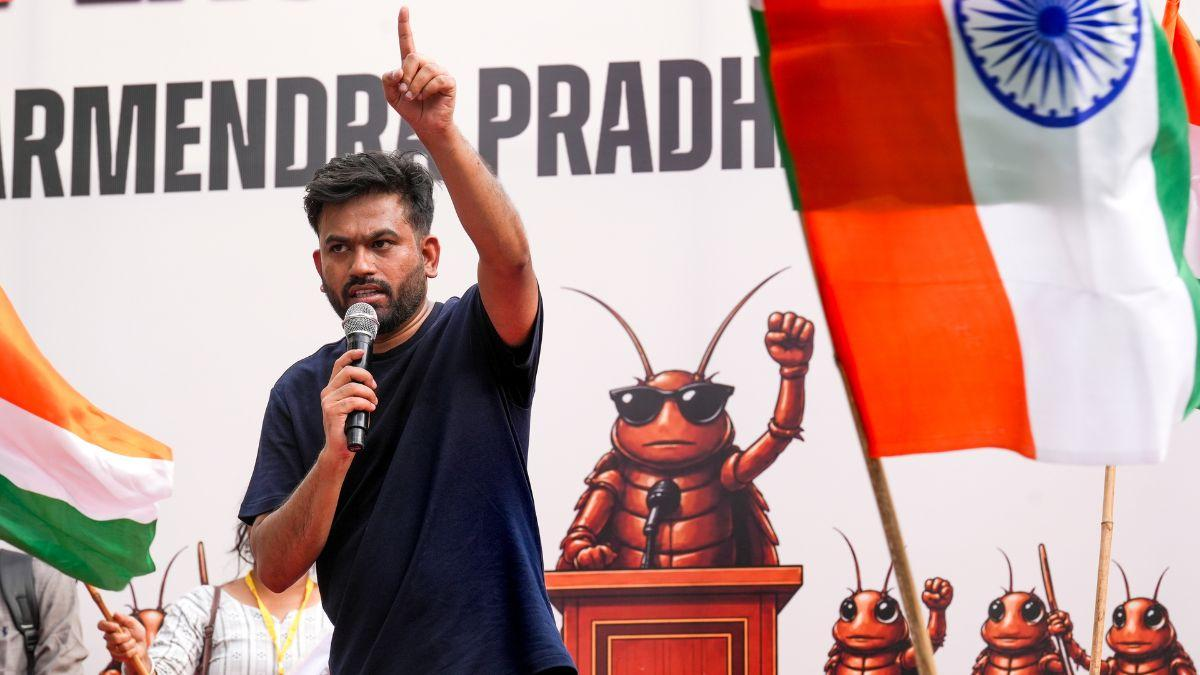
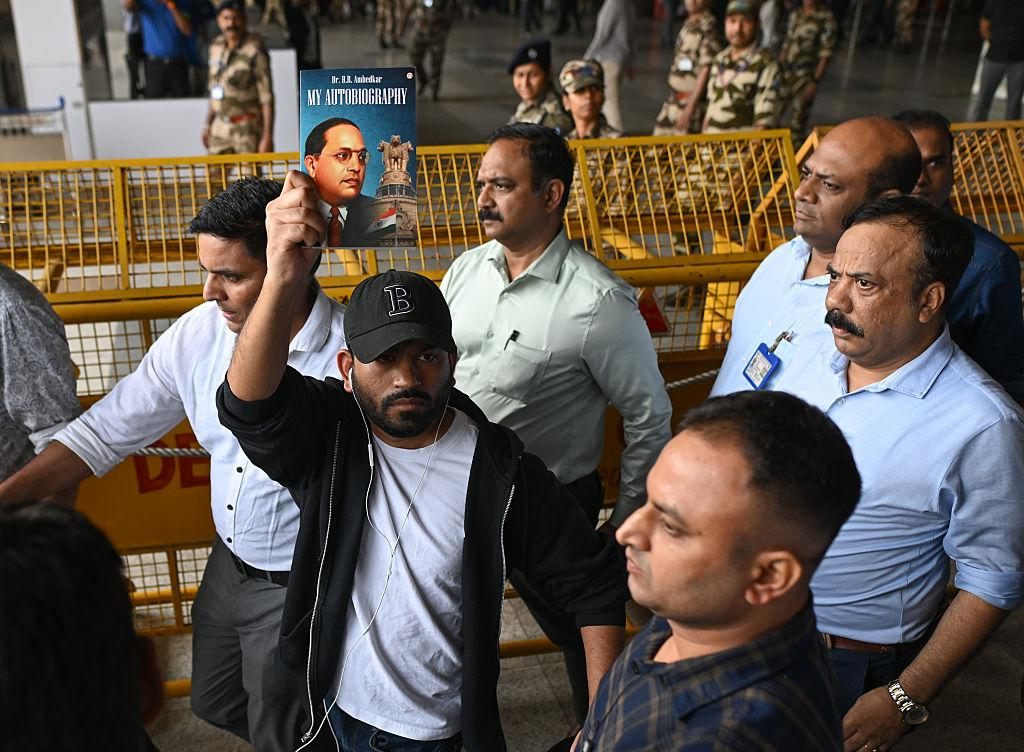
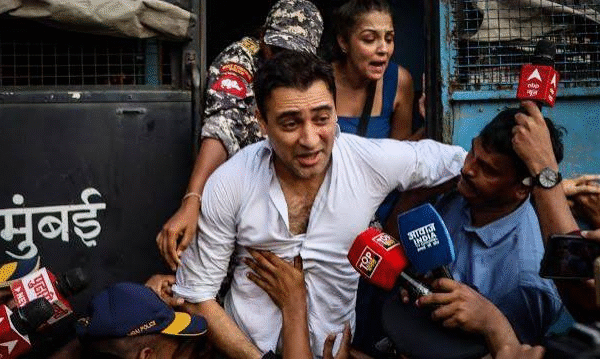
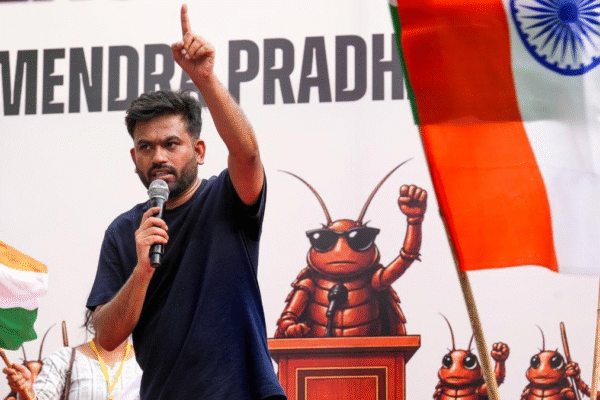
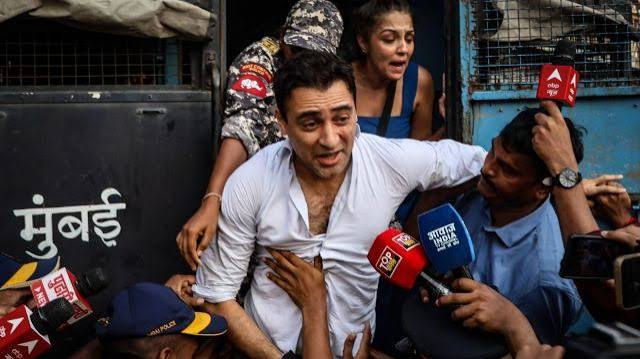
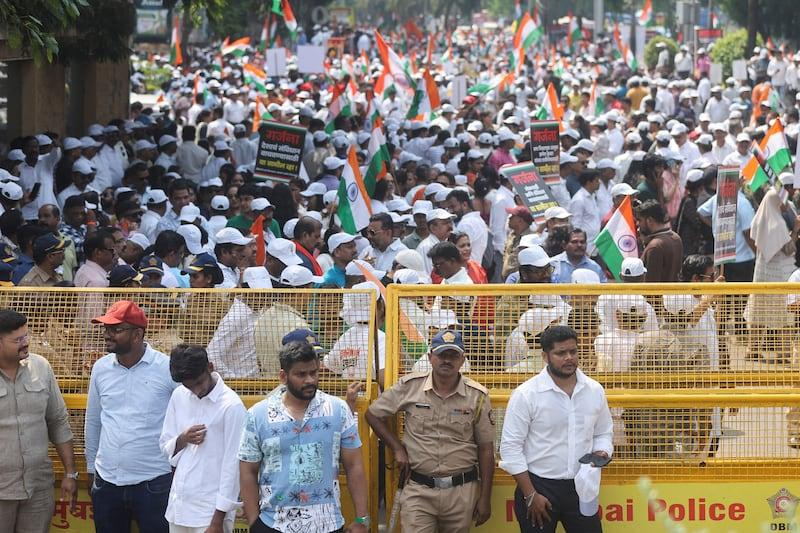
Khan, an American citizen who holds an Overseas Citizen of India (OCI) card, was detained during a protest at Mumbai’s August Kranti Maidan on October 10. The demonstration called for the resignation of Chief Election Commissioner Gyanesh Kumar amid controversy over the Election Commission’s Special Intensive Revision (SIR) of electoral rolls. Following a complaint by BJP leader Kirit Somaiya, the Foreigners Regional Registration Office (FRRO) issued a notice directing Khan to leave India by October 28.
The notice reportedly invokes Sections 7 and 29 of the Immigration and Foreigners Act, 2025. Khan is preparing to challenge the order before the Bombay High Court. The case is not simply about a film actor’s participation in a demonstration. It raises questions about executive authority, the legal status of OCI cardholders and the limits of administrative action against dissent.
OCI Is Not Citizenship—but Does Participation in a Protest Justify Deportation?
The government’s position rests on an important legal distinction. India does not permit dual citizenship. An OCI card does not make its holder an Indian citizen; it provides specified immigration and other privileges to eligible foreign nationals of Indian origin.
Article 19 of the Constitution, which guarantees freedoms including speech and peaceful assembly, expressly protects Indian citizens. Foreign nationals cannot claim these rights on the same footing as citizens. Nor does an OCI card confer the right to vote or contest elections.
However, the absence of full citizenship rights does not automatically mean that every foreign national’s participation in a protest is unlawful.
The Immigration and Foreigners Act, 2025 gives the Central Government broad powers under Section 7 to regulate a foreigner’s entry, presence and continued stay in India, including by directing an individual not to remain in the country. Section 29 provides for removal in specified circumstances, including contravention of the Act, its rules or orders, or an adverse security report.
Yet a crucial question remains: which specific legal provision or applicable condition did Khan allegedly violate by attending the protest?
The law does not expressly establish a blanket prohibition on every foreign national attending every political demonstration. The authorities may argue that his participation contravened applicable restrictions or justified action under their statutory powers. Khan’s challenge, in turn, could question whether the notice identifies a sufficient legal basis for such a drastic measure.
That distinction matters. The existence of government powers does not, by itself, settle whether those powers were correctly exercised in an individual case.
Why the Bombay High Court Can Examine the Notice
Khan’s American citizenship does not prevent him from approaching an Indian court. Under Article 226 of the Constitution, High Courts have wide powers to review the legality of government and administrative action and to issue appropriate writs. These powers are not confined to Indian citizens.
His lawyers could argue that the notice lacks a sufficient legal basis, that participation in the protest has been treated as a violation without identifying the applicable restriction, or that the authorities failed to follow the required legal procedure. The precise grounds will depend on the petition and the documents relied upon by the government.
The authorities, meanwhile, may contend that foreign nationals remain subject to India’s immigration laws and that OCI status does not confer an unrestricted right to participate in political activity or remain in the country indefinitely.
The court will not necessarily decide the broader political controversy over SIR or the conduct of the Election Commission. Its immediate task would be to examine the legality of the immigration notice and the powers invoked to issue it.
Nor does filing a petition automatically suspend the deadline. Unless the authorities withdraw or modify the notice, or the court grants interim protection, the October 28 deadline remains significant.
The larger issue is the balance between India’s sovereign authority to regulate foreign nationals and the requirement that administrative decisions have a lawful basis. A foreign national cannot claim every right available to a citizen. Equally, the question of whether an executive order is legally justified remains open to judicial scrutiny.
The Imran Khan case will therefore test not whether OCI cardholders possess Indian citizenship—they do not—but whether the state’s immigration powers have been applied lawfully in response to political protest. The distinction between those two questions is central to the legal battle now unfolding in Mumbai.

Prerna Varshney is a journalist and social commentator with over five years of experience in health, gender, and policy reporting. Her work reflects a deep commitment to truth and empathy, simplifying complex issues for everyday readers.