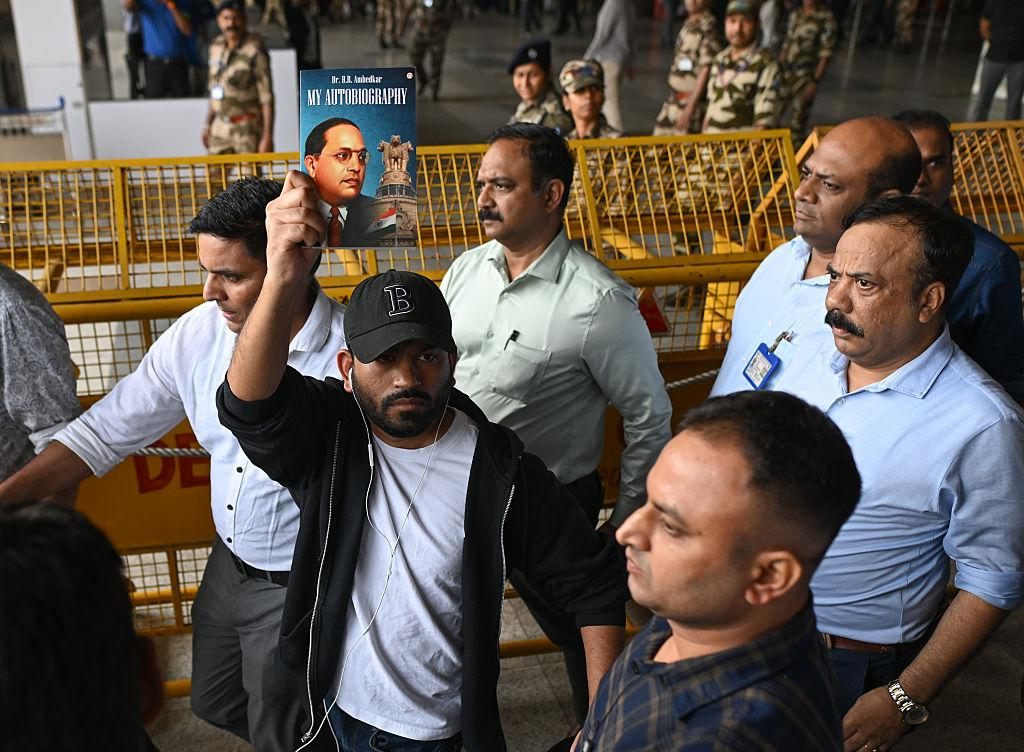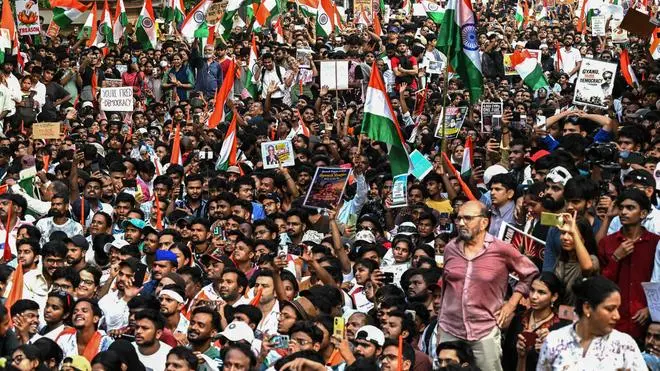


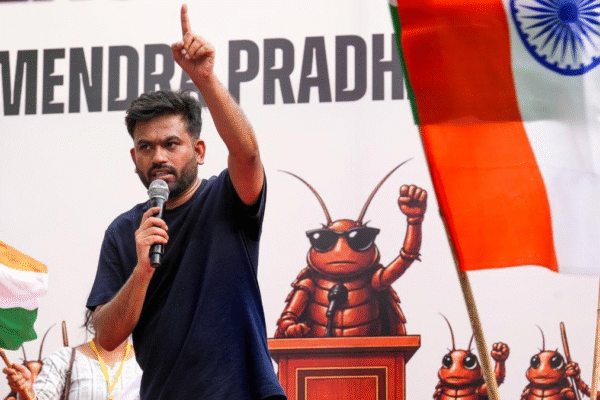
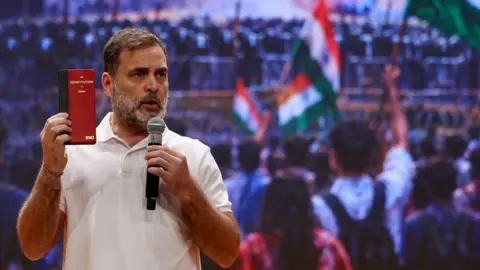
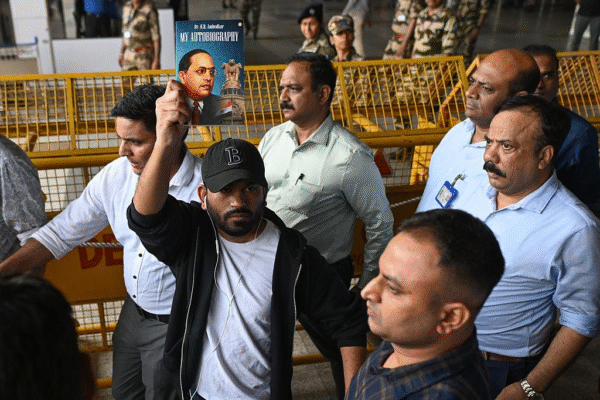
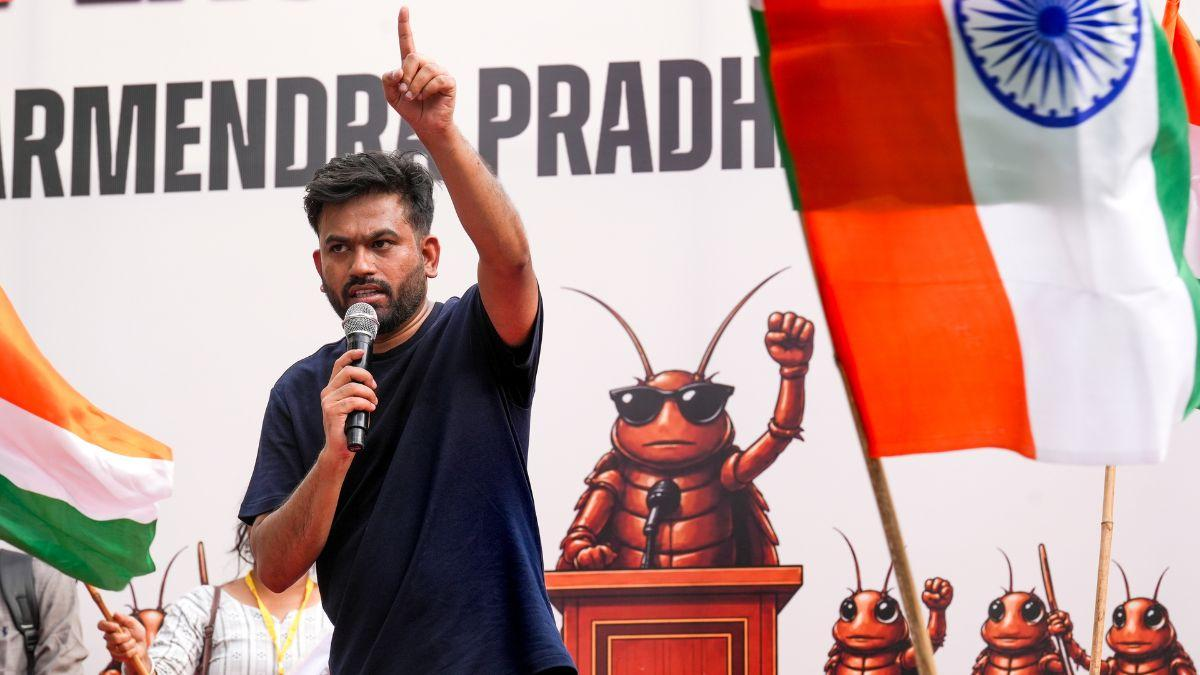
The national flag is set to become the centrepiece of a fresh political confrontation in Delhi on October 16. Abhijeet Dipke, founder of the Cockroach Janata Party (CJP), has called on supporters to assemble at Central Park in Connaught Place at 5 pm under the slogan “Lehra Do Tiranga” (Wave the Tricolour). The rally follows the detention and judicial custody of CJP leaders Saurav Das and Ashutosh Ranka after their attempt to protest at Jantar Mantar, which is no longer a designated protest site.
Dipke has framed the gathering as a defence of the right to wave the national flag and express political dissent. He has also urged supporters unable to travel to Delhi to organise similar marches in their cities. But behind the patriotic slogan lies a more contentious demand: the resignation of Chief Election Commissioner Gyanesh Kumar and accountability over the Election Commission of India’s Special Intensive Revision (SIR) of electoral rolls.
The protest is no longer simply a dispute over a demonstration venue. It has become a test of how the state responds when citizens question an institution central to the credibility of elections.
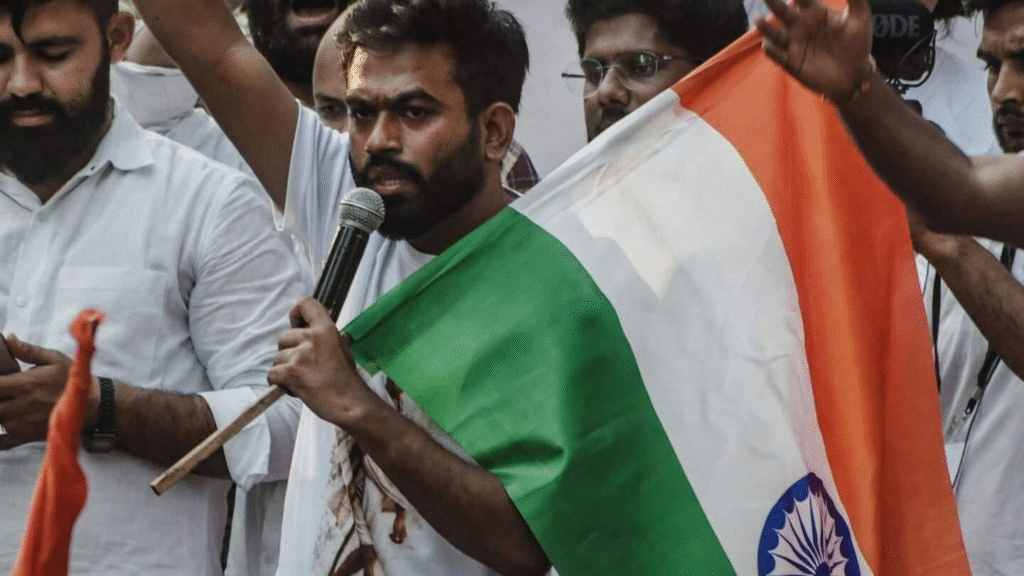
From Voter-List Controversy to a Test of Democratic Dissent
The SIR exercise has triggered a nationwide political storm following the removal of more than 130 million names from draft electoral rolls, according to figures reported during the controversy. The Election Commission says the names fall into categories including absent, permanently shifted, deceased and duplicate electors. It maintains that eligible citizens can seek inclusion through the prescribed process.
Opposition parties and activists, however, question whether the verification and deletion process has adequate safeguards against wrongful exclusion. Their concern is not merely the number of names removed, but whether each deletion is supported by verifiable evidence, transparent procedures and an effective opportunity to appeal.
The dispute has also reached the Supreme Court, where opposition leaders have sought scrutiny of the SIR process and safeguards against arbitrary voter deletions. The Commission’s explanations, the petitioners’ evidence and judicial scrutiny must determine the substance of these competing claims.
The arrests of Das and Ranka have added another dimension. Police say the action followed alleged breaches of restrictions at Jantar Mantar and earlier undertakings to maintain peace. CJP argues that the response has become disproportionate and is being used to discourage dissent. Both the circumstances of the arrests and the proportionality of the restrictions deserve independent scrutiny.
A democratic government can regulate protest venues and maintain public order. But restrictions must be lawful, proportionate and applied consistently. The national flag should not become a political weapon for either side: waving it does not exempt demonstrators from lawful rules, just as invoking public order does not automatically justify every police action.
Should Gyanesh Kumar Resign—and Is Modi Protecting Him?
The demand for Kumar’s resignation raises a question bigger than the fate of one official: what should happen when public confidence in an independent constitutional institution comes under sustained challenge?
Critics accuse the Election Commission of failing to provide sufficient transparency and allege that the SIR process could disadvantage sections of the electorate. The Commission and the BJP reject claims of partisan manipulation, arguing that electoral rolls must be corrected to remove ineligible entries. Allegations of bias must not be treated as proven facts—but neither should institutional assurances replace transparent evidence.
Why, then, do critics ask whether Prime Minister Narendra Modi is protecting Kumar? Their argument is political: the government benefits from the Commission’s credibility being accepted, while the Opposition contends that disputed electoral decisions could affect its electoral prospects. The government’s defence of the electoral process and the BJP’s rejection of the allegations may reinforce that perception. Yet political alignment or public defence alone does not prove that Modi has improperly intervened to protect the CEC. That claim requires evidence.
Should Gyanesh Kumar resign? Not simply because protesters demand it, but because the credibility of election administration is too important to leave serious questions unanswered. If an independent examination establishes grave procedural failures, unlawful conduct or a breakdown of public confidence that cannot be repaired through transparent corrective action, resignation would be a defensible step. If the allegations are not substantiated, accountability should follow the evidence rather than political pressure.
The CEC’s removal is also governed by constitutional safeguards; the Prime Minister cannot simply dismiss the office-holder at will.
The October 16 gathering will therefore test more than the willingness of people to raise the Tricolour. It will test whether the government can answer criticism without treating dissent as disloyalty, whether the Election Commission can demonstrate transparency beyond assertion, and whether protesters can press their demands peacefully. In a democracy, the strongest defence of the national flag is not to claim exclusive ownership of it—but to uphold the rights and institutions it represents.

NewsHasghag operates a 24/7 news bureau that tracks the real-time, social media-driven stories from India and around the world, keeping you ahead of the day’s key talking points. Our digital-first approach transforms storytelling through the seamless integration of data, interactive charts, video, and audio into every narrative